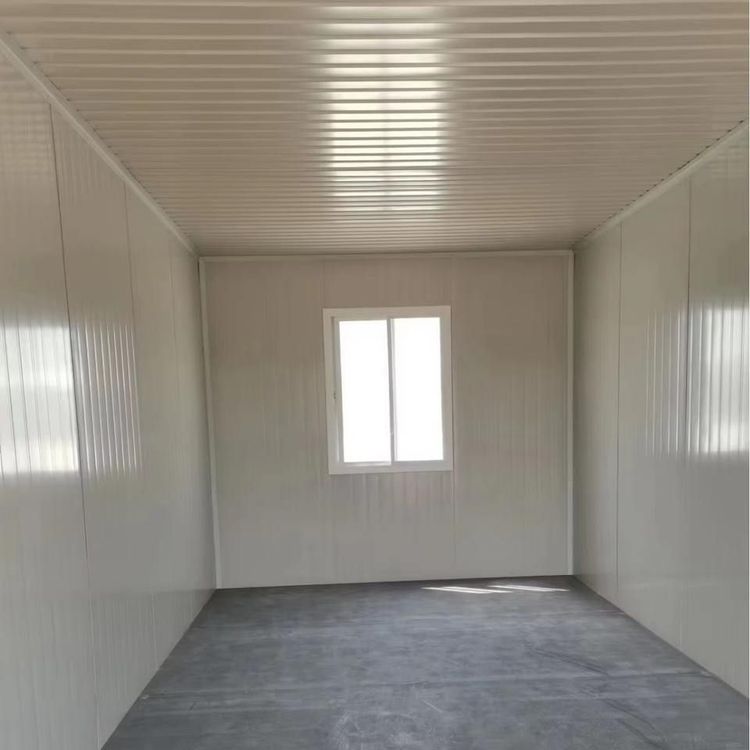
Can Prefabricated Houses Enter Residential Areas?
It is uncertain whether prefabricated houses can enter residential areas. Currently, there is no unified and clear regulation stating that prefabricated houses can definitely enter or cannot enter residential areas. This is mainly influenced by multiple factors, which are detailed below:

Residential Area Management Regulations
Different residential areas have their own management regulations, which are rules jointly formulated and followed by the property owners in the area. Some residential areas may explicitly prohibit the entry of prefabricated houses in their management regulations due to considerations such as safety, aesthetics, and planning. For example, some high-end residential areas, in order to maintain the overall high-quality image and unified style of the area, do not allow the random erection or introduction of prefabricated houses that do not match the original architectural style of the area. On the other hand, some residential areas may have relatively lenient management. As long as the erection or placement of the prefabricated house meets basic safety and hygiene requirements, it is allowed to enter.
Legal and Regulatory Aspects
From the perspective of laws and regulations, there is currently no nationwide unified legal provision specifically targeting the entry of prefabricated houses into residential areas. However, there may be relevant indirect provisions in some local regulations or rules. For example, provisions regarding the erection of buildings and temporary structures. If a prefabricated house is deemed as an erection that requires approval according to specific building codes, then its entry into a residential area needs to meet the corresponding approval conditions. If a prefabricated house is introduced into a residential area without approval, it may face legal risks.
Safety Factors
Safety is an important consideration in residential area management. If the quality of a prefabricated house is substandard, with structural instability, flammability, and other safety hazards, the property management company or relevant departments of the residential area are likely to prevent its entry. For example, some low-quality prefabricated houses may not be able to withstand harsh weather conditions and are prone to collapse in strong winds or heavy rain, posing a threat to the safety of people and property in the residential area. In addition, if the electrical wiring of the prefabricated house is not installed properly, it may also cause fire accidents and other safety issues.
Planning and Aesthetics
The overall planning and aesthetics of a residential area are also factors that affect whether a prefabricated house can enter. If the appearance and color of a prefabricated house do not coordinate with the overall planning of the residential area, it may disrupt the aesthetic environment of the area. For example, in a residential area mainly featuring European architectural style, introducing a modern minimalist prefabricated house may look out of place and affect the overall visual effect of the area.