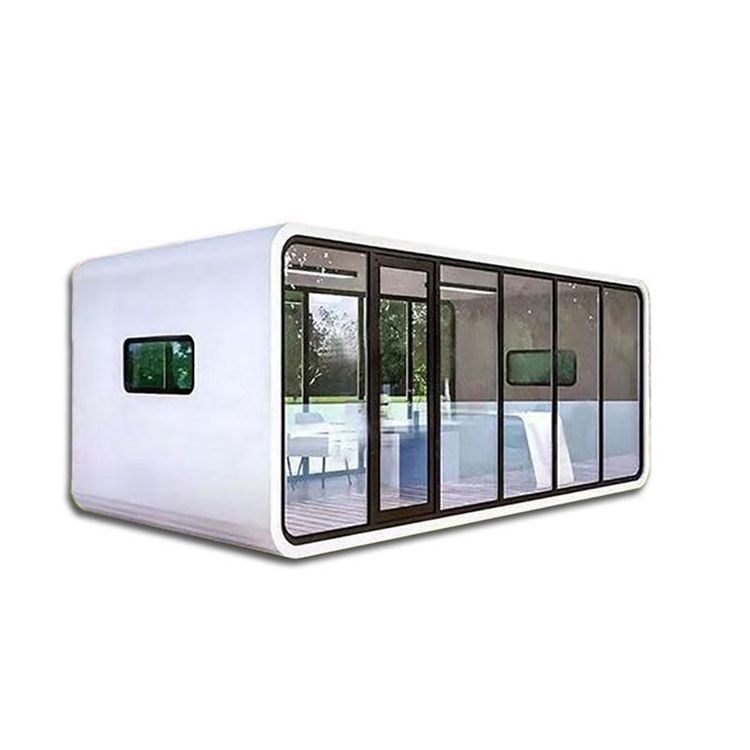
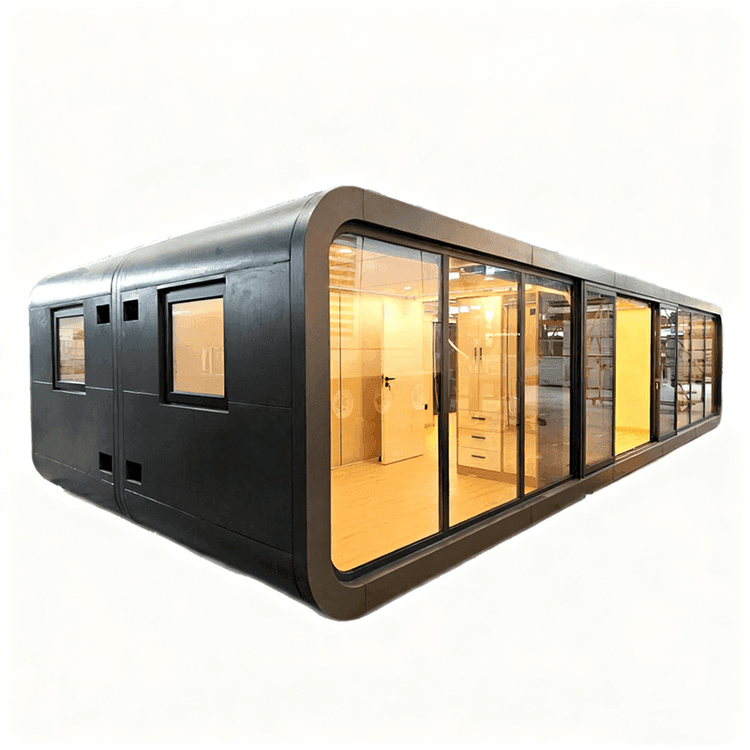
Beijing Container House Approval
Container houses in Beijing require approval, and the approval process and key points are as follows:
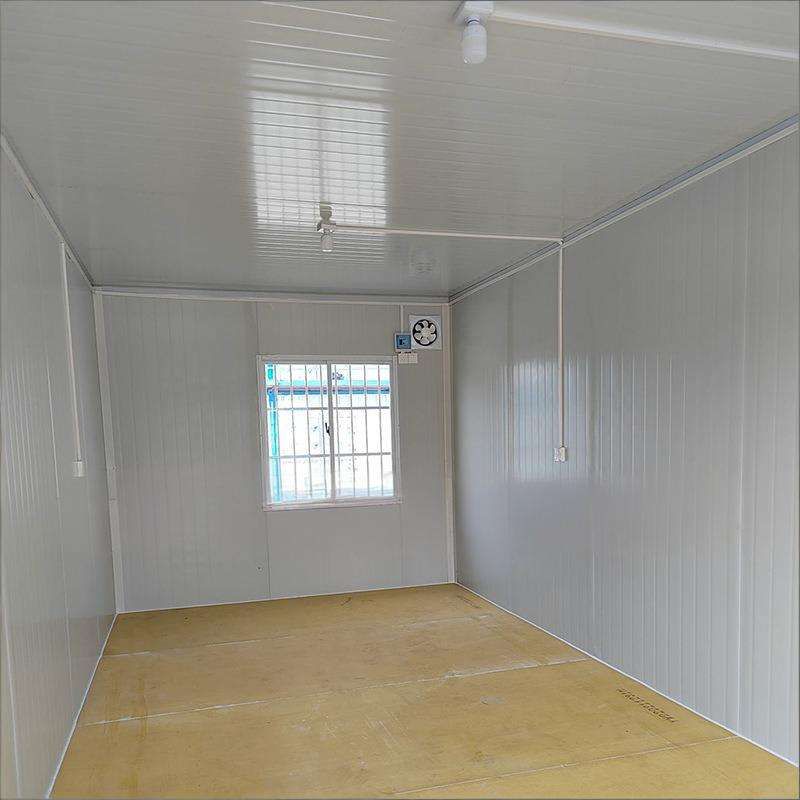
I. Necessity of Approval
Container houses fall under the category of temporary buildings. According to Article 44 of the Urban and Rural Planning Law of the People's Republic of China, temporary construction (including container houses) within urban and town planning areas must be approved by the urban and county people's government's urban and rural planning administrative departments. Unauthorized construction or use without approval may be identified as illegal construction, facing the risk of demolition or fines. For example, in a case heard by the Beijing Second Intermediate People's Court, the lessor's failure to obtain planning approval resulted in the lease contract being deemed invalid.
II. Approval Process
Land Nature Confirmation
It is necessary to first confirm the land nature (such as construction land, industrial land, etc.) of the site with the local land management department (such as the Land and Resources Bureau) to ensure compliance with the requirements for temporary building land. If the land nature does not match, the site selection needs to be adjusted or the land use needs to be changed.Planning Filing
Submit land-related documents (such as land contracts and ownership certificates) to the local planning bureau for filing and approval. The planning department will review whether the site layout and building scale comply with urban and rural planning requirements.Temporary Building Approval
Submit a temporary building approval application to the urban management bureau or land bureau, providing materials such as design drawings of the container house, structural safety descriptions, and the usage period (usually 2 years, renewable upon expiration). After approval, construction must be carried out in accordance with the approved content, and the purpose or usage period must not be changed without authorization.
III. Special Circumstances
Use on Self-Owned Land
If the container house is located within the red line of self-owned land and does not occupy public space, disturb residents, or cause pollution (such as for storage or personal residence only), some areas may simplify the approval process or exempt it from approval. However, this is subject to local policies, and it is advisable to consult the local planning department in advance.Encouraged Industrial Uses
If container houses are used for national encouraged industries such as creative parks and cultural tourism homestays, some cities (such as Shanghai) will introduce support policies to simplify the approval process or provide subsidies. However, they must comply with industrial planning requirements and obtain government approval.
IV. Legal Risk Warnings
Unauthorized construction of container houses may face the following consequences:
- Being identified as illegal construction by the urban management department and ordered to be demolished within a specified time;
- If used for business purposes (such as leasing or shops), the lease contract may be deemed invalid due to violation of legal mandatory provisions;
- Due to failure to pass fire safety and other inspections, there are potential safety hazards, and corresponding legal liabilities must be assumed.