
Back to blog
Article
Container House Standard: Types, Features & Buying Tips
Admin November 18, 2026
The container house standard covers types, features, and buying tips. It is necessary to match the design according to needs, evaluate the quality, and choose a reliable supplier.

Types of Container Houses
- Flat-Pack Expandable Container Houses
These houses use sandwich panel (EPS/rock wool/polyurethane) and galvanized painted steel beam structures. They offer options such as mini, 10-foot, 16-foot, 20-foot, and single/multi-story models. Their core feature is a foldable design, which can be installed by simply unfolding with a forklift. The materials are recyclable and customizable, with a service life of over 25 - 30 years. - Standard 20-Foot Assembled Container Houses
Based on a container frame design, these houses have dimensions of 5.95 meters (length) × 3 meters (width) × 2.8 meters (height). They are earthquake-resistant, movable, eco-friendly, and have thermal insulation and waterproofing features. They also come with a 1-year warranty and online technical support.
Core Features
- Efficient Construction
Factory-prefabricated components reduce on-site construction time and labor costs. For example, flat-pack houses only require forklift assembly, making them suitable for scenarios such as temporary offices, post-disaster reconstruction, or rural housing. - Durability and Safety
The light steel structure can withstand earthquakes and strong winds, while the hot-dip galvanized steel is corrosion-resistant, with a service life of several decades. - Sustainability
The use of recycled containers or recyclable materials reduces waste, and efficient thermal insulation materials such as rock wool panels lower energy consumption costs. - Flexible Customization
The modular design supports expansion or relocation, and windows, doors, and interior layouts can be adjusted according to needs.
Buying Tips
- Evaluate Structural Quality
Check material certifications (such as ISO, CE) and anti-corrosion treatment processes. Confirm whether the thermal insulation materials for walls/roofs (such as polyurethane or rock wool) are suitable for the local climate. - Examine Supplier Qualifications
Choose manufacturers that offer integrated services including design, production, installation, and after-sales support. Give priority to companies with good audit records (such as Xiamen Yumi New Material Technology and Wuxi Bilv Pharmaceutical Technology). - Calculate Logistics and Costs
Compare price ranges (for example, the unit price of flat-pack houses ranges from 850 - 2000 US dollars, depending on the quantity). Clarify freight and delivery terms (FOB/CIF). - Confirm After-Sales Support
Ensure that the warranty covers structural defects (such as Bilv's 1-year service) and verify the dispute resolution policy for online purchases. - Match Usage Scenarios
For temporary sites (such as construction dormitories), focus on mobility and quick assembly. For permanent residences, choose multi-story or reinforced models to extend the service life.
Related
You may also like

18Nov
Portable Toilet Rental For Sale: The Complete Buying Guide
Read More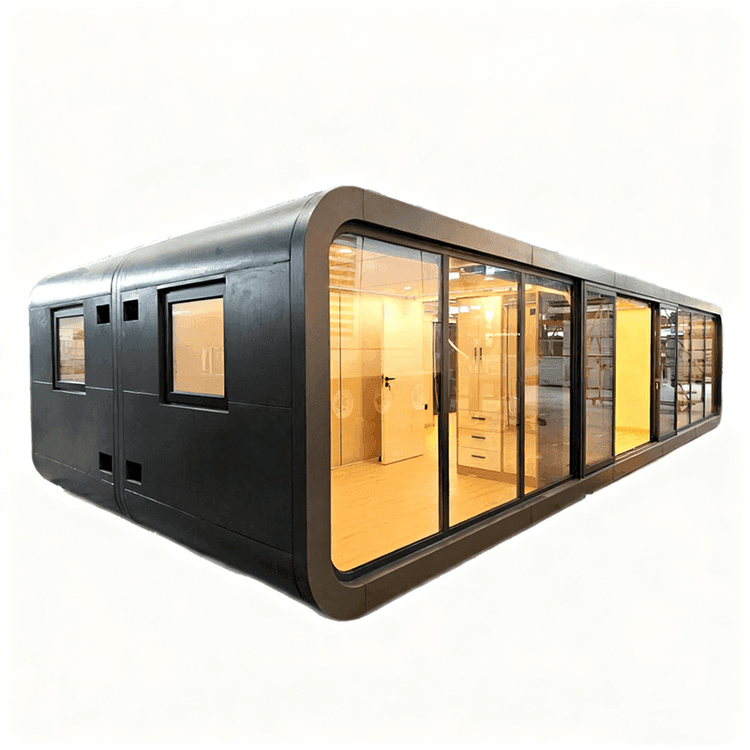
18Nov
Best Portable Toilet In Stock for Temporary Use: A Buying Guide
Read More
18Nov
Portable Toilet Style: Top Options & Considerations
Read More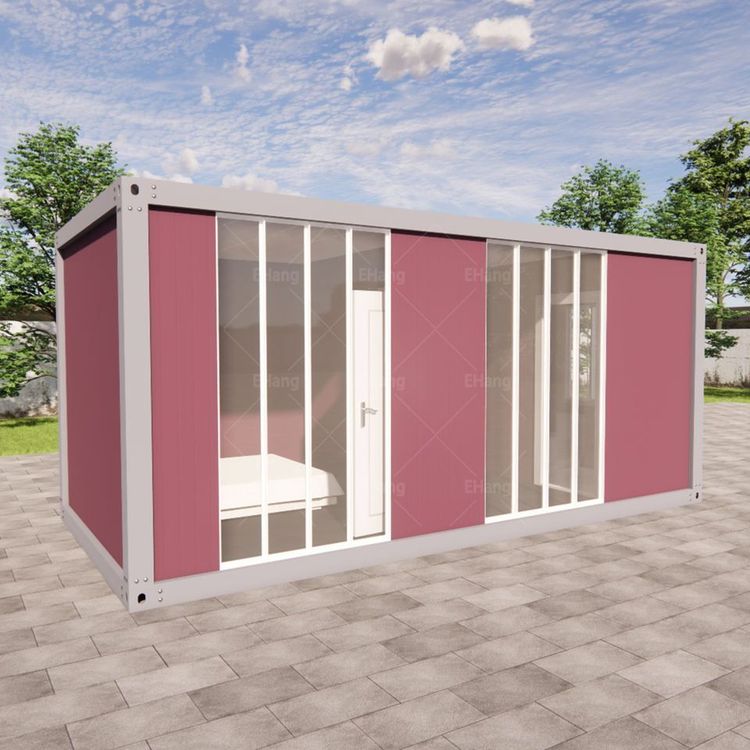
18Nov