Zhushan Street Mobile Toilet
No direct information about the mobile toilet on Zhushan Street has been found at present, but we can provide a general introduction based on the common characteristics of mobile toilets.

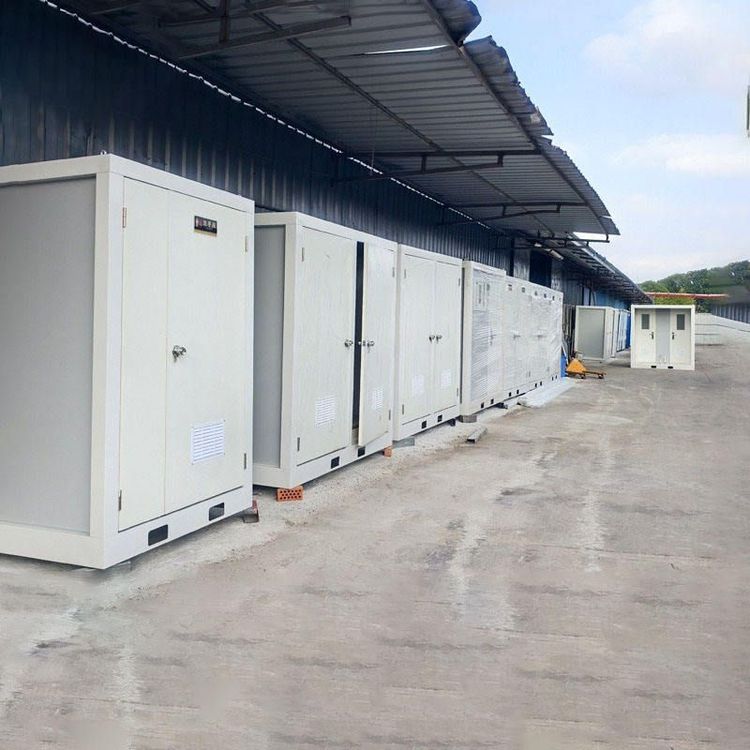
Mobile toilets, as flexible public sanitation facilities, are highly movable and adaptable. Their core advantage lies in rapid deployment and repeated use. Through modular design or vehicle modification (such as bus conversion), they can be transported according to actual needs to densely populated public places, commercial streets, scenic spots, and other areas, effectively alleviating the shortage of fixed toilets. For example, during the May Day holiday in 2026, the Jinci Scenic Area in Shanxi, in response to the peak tourist flow, converted a bus into a mobile men's toilet and temporarily adjusted the fixed men's toilet to a women's toilet. As a result, the average daily reception capacity of the restrooms in this area increased from about 3,000 person-times to around 5,000 person-times, fully demonstrating the efficiency of mobile toilets in emergency scenarios.
In terms of technology, mobile toilets have diverse and flexible treatment methods, and appropriate technical solutions can be selected according to the usage environment. For example, in areas without municipal sewer coverage, biological degradation, vacuum adsorption, or packaged treatment technologies can be adopted to reduce sewage discharge. In places with suitable conditions, temporary pipelines can be connected for centralized treatment. In addition, they usually occupy a relatively small area and are designed with both practicality and aesthetics in mind, meeting functional requirements while harmonizing with the surrounding environment.
From the perspective of application scenarios, mobile toilets are particularly suitable for short-term events, temporary venues, or during the renovation of fixed toilets. For instance, in scenarios such as street festivals, open-air concerts, and construction sites, mobile toilets can be quickly set up and put into use, preventing the lack of infrastructure from affecting the public experience. At the same time, their mobility also facilitates later maintenance or position adjustment according to the flow of people, improving resource utilization efficiency.
Although mobile toilets have many advantages, their effectiveness still depends on scientific management and regular maintenance. For example, it is necessary to ensure cleaning frequency, replenish consumables (such as toilet paper and disinfectants), and conduct equipment inspections to avoid sanitation issues or functional failures. In addition, the public's acceptance of mobile toilets is also closely related to the rationality of their design and privacy protection measures.