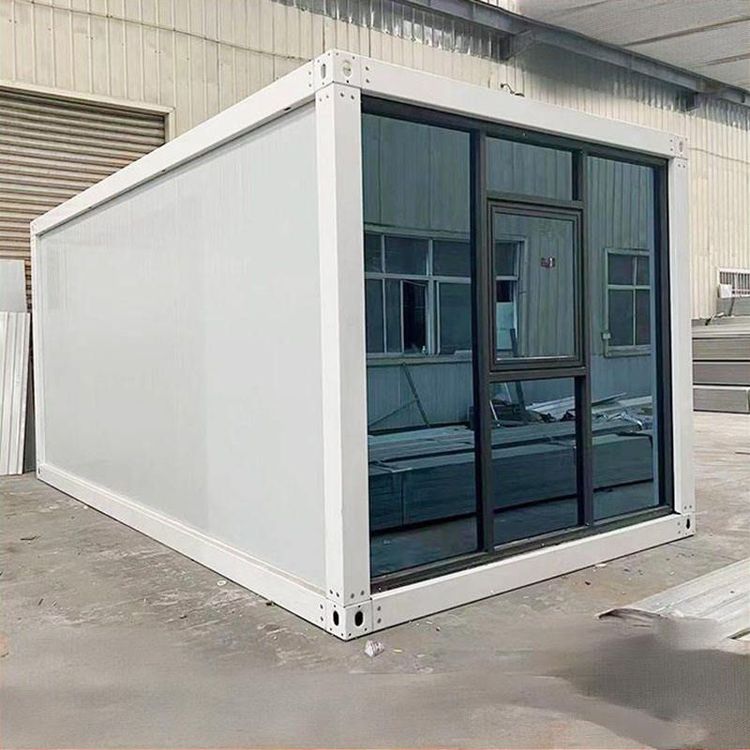
Zhoushan Outdoor Mobile Toilet Design
The design of outdoor mobile toilets in Zhoushan focuses on space utilization, convenience, cleanliness, and environmental protection, meeting the needs of different scenarios through reasonable configuration.

Space Utilization and Structural Design
The design of outdoor mobile toilets in Zhoushan emphasizes the rational planning of internal space, typically adopting a modular structure to achieve functional zoning within limited space. For example, by optimizing partition layouts, each independent toilet cubicle is ensured sufficient activity space while reducing the overall footprint. The installation positions of internal facilities such as water tanks, flushing systems, and sewage storage units are precisely calculated to ensure ease of use and avoid space wastage. Some designs also incorporate foldable or movable partitions, allowing the number of toilet cubicles to be adjusted according to actual needs, enhancing flexibility.
Convenience and Hygiene
To enhance user experience, outdoor mobile toilets in Zhoushan are generally equipped with basic toilet facilities, including flushing systems, water tanks, and sewage pipes, ensuring quick cleaning after use. Additionally, the inclusion of handwashing facilities has become standard, with touchless faucets or foot-operated switches reducing contact contamination. Hand sanitizers or disinfectants are also provided to strengthen hand hygiene management. For special scenarios, such as large-scale events, designers incorporate accessible toilet cubicles and child-specific facilities to meet the needs of diverse user groups, reflecting humanistic care.
Environmental Technology and Material Application
Environmental protection is one of the core principles in the design of outdoor mobile toilets in Zhoushan. In terms of material selection, recyclable and corrosion-resistant eco-friendly materials, such as high-density polyethylene (HDPE) or stainless steel, are prioritized to reduce long-term environmental impact. For cleaning and maintenance, the use of biodegradable cleaning agents minimizes chemical pollution, while some high-end models introduce waterless flushing technology, replacing traditional flushing with foam coverage or vacuum suction to significantly conserve water resources. Furthermore, the sealed design of sewage storage units prevents odor diffusion, and some products are equipped with solar power systems to further reduce energy consumption.
Scenario Adaptation and Deployment Strategy
Given the frequent hosting of large-scale events or festivals in Zhoushan, the deployment of mobile toilets needs to be dynamically adjusted based on foot traffic. For example, during peak tourist seasons or music festivals, designers predict demand during peak hours through data analysis and increase the number of toilet cubicles proportionally to avoid queues. Meanwhile, temporary layouts consider terrain and traffic flow to ensure facilities are evenly distributed and easily accessible, enhancing overall service efficiency.