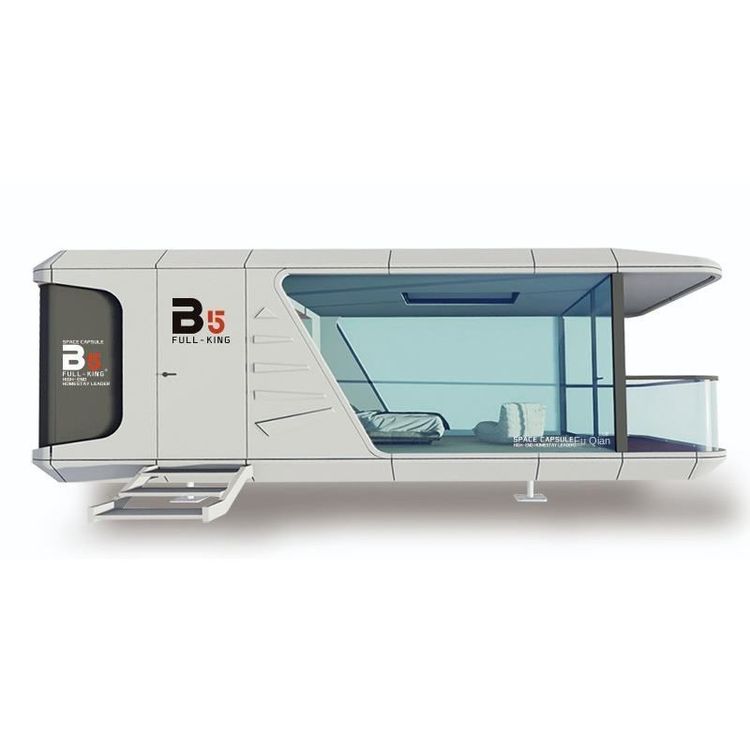
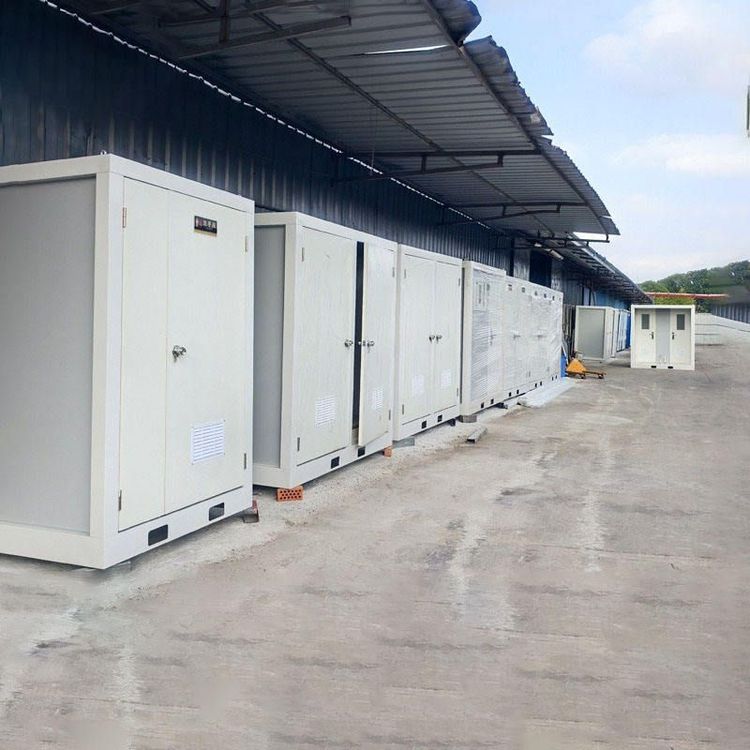
Zhejiang Prefabricated Housing Finished Products
Zhejiang prefabricated housing finished products, represented by fully assembled residential and rural houses, are characterized by rapid construction, diverse structures, and policy support.

1. Construction Methods and Efficiency
Zhejiang prefabricated housing employs fully assembled technology, with core components (such as walls and floor slabs) prefabricated in factories to standardized specifications and assembled on-site using mechanical bolts. For example, the prefabricated components in Jiangbei, Ningbo, feature a panel structure with sandwich insulation design, allowing the main structure to be installed in just 7 days, achieving an efficient model of “building houses like assembling blocks.” The first “fully assembled” rural housing model in Yuyao City also adopts this technology, reducing the main structure construction period to about 7 days and significantly improving construction efficiency.
2. Structural Types and Characteristics
Zhejiang prefabricated housing mainly includes two structural types:
- Light Steel Structure: Using steel as the framework, it offers advantages such as light weight, good earthquake resistance, and short construction periods. Several light steel structure rural housing demonstration communities have been built in Lin'an District and other areas, suitable for low-rise rural residences.
- Concrete Shear Wall Structure: Assembled using prefabricated concrete wall panels, it provides strong overall rigidity and is suitable for multi-story buildings. Both structures meet factory standardized production requirements, ensuring component precision and quality stability.
3. Policy Support and Promotion
As one of the first pilot provinces for steel structure assembled residential housing in China, Zhejiang Province has introduced multiple support policies:
- Financial Subsidies: Providing financial subsidies for projects adopting assembled technology to reduce housing construction costs.
- Housing Construction Loans: Offering low-interest or interest-subsidized loans to encourage farmers to choose prefabricated housing.
- Technical Specifications: Promoting the compilation of provincial technical guidelines and improving the “Rural Housing Construction in Zhejiang” full lifecycle management system to achieve digital supervision from design, production, to operation and maintenance.
4. Application Scenarios and Advantages
Prefabricated housing is widely promoted in rural areas of Zhejiang, addressing issues such as long construction periods and inconsistent quality in traditional housing. Its advantages include:
- Environmental Protection and Energy Efficiency: Factory production reduces on-site wet operations, lowering dust and construction waste; sandwich insulation layers improve housing energy efficiency.
- Quality Control: Standardized component production eliminates human errors, enhancing structural safety.
- Strong Adaptability: Customizable house types can meet the needs of different family sizes and functional requirements.
Currently, Zhejiang is promoting the development of prefabricated housing towards large-scale and intelligent directions through policy guidance and technological iteration, providing a replicable modern model for rural housing construction.