
Usage of Mobile Toilets in Zhejiang
The primary purpose of mobile toilets in Zhejiang is to address sanitation issues in specific areas and serve as a supplement to fixed public sanitation facilities, meeting the needs of temporary, mobile, or special scenarios.
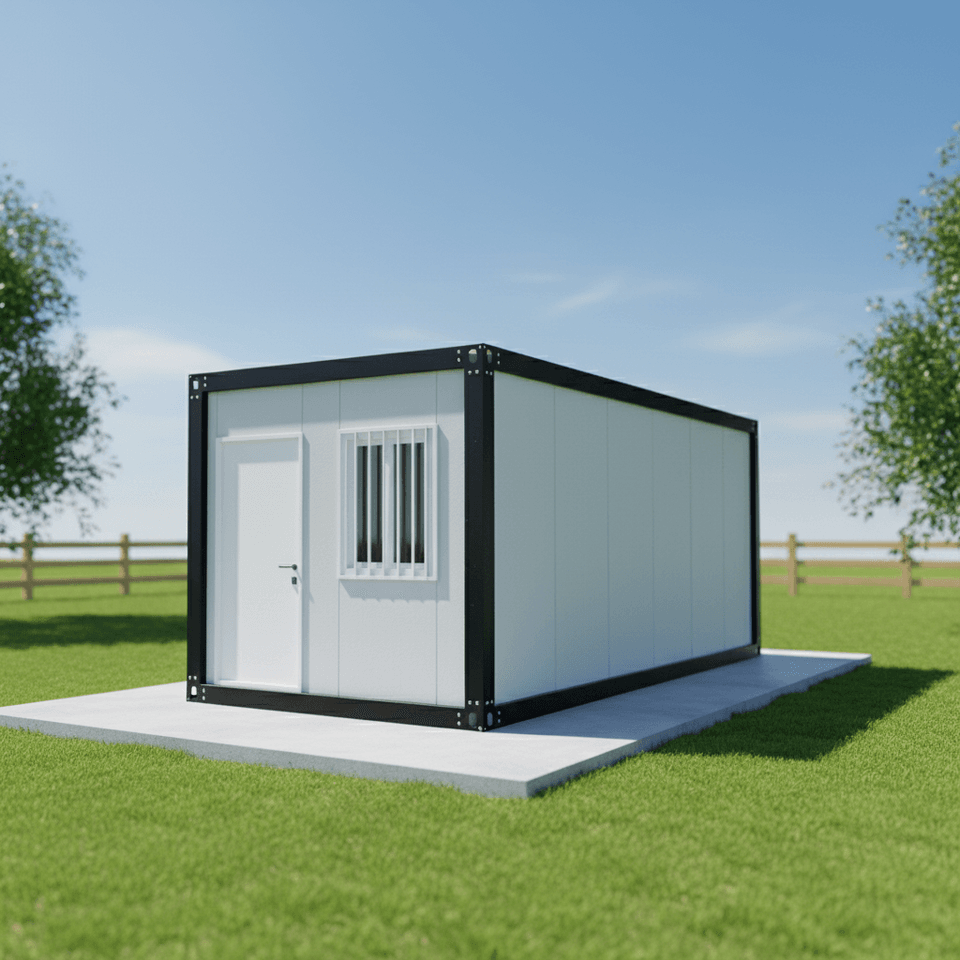
Firstly, the core function of mobile toilets is to provide convenient public sanitation facilities for citizens and tourists. For example, the mobile landscape public toilets along the Qiantang River embankment in Hangzhou are strategically placed in coastal areas, effectively alleviating the sanitation challenges caused by high foot traffic and insufficient coverage of fixed toilets. These toilets are typically designed in harmony with the surrounding environment, balancing practicality and aesthetics to meet basic needs while coordinating with the urban landscape.
Secondly, the mobility of mobile toilets is a significant advantage, making them suitable for various special scenarios:
- Temporary event venues: During large-scale exhibitions, music festivals, sports events, etc., foot traffic surges, and fixed toilets may struggle to meet demand. Mobile toilets can be quickly deployed to the event site and removed after the event, avoiding resource idleness.
- Mobile service scenarios: In areas such as construction sites and around transportation hubs (train stations, bus stations), where personnel mobility is high and locations are not fixed, mobile toilets can be adjusted according to demand, flexibly adapting to changes in service scope.
- Areas lacking fixed sewage facilities: Some remote scenic spots, rural areas, or temporary construction sites may be unable to build traditional toilets due to geographical conditions or cost constraints. Mobile toilets solve sanitation challenges in these areas through independent sewage systems or regular waste removal services.
Additionally, mobile toilets can optimize resource allocation and save construction costs. During peak periods of foot traffic (such as holidays and tourist seasons), fixed toilets may experience long queues due to insufficient capacity. Mobile toilets can serve as temporary supplements, rapidly enhancing service capacity; later, their locations can be adjusted based on actual usage to avoid waste caused by changes in demand for fixed facilities. For example, mobile toilets along the Qiantang River can be dynamically adjusted according to tourist distribution, improving resource utilization efficiency.
In summary, mobile toilets in Zhejiang have become a "mobile solution" for public sanitation through flexible deployment, functional adaptation, and cost optimization, ensuring basic service needs while enhancing the精细化 (refined) level of urban management.
You may also like

Container House Installation Guide: A Complete Walkthrough
Read More
Portable Toilet Eco-Friendly Custom & OEM: Design & Bulk Production Guide
Read More
How to Assemble & Install Container House Step by Step
Read More