Yingshe Prefabricated House
There are significant differences between Yingshe Meiju's prefabricated houses and ordinary prefabricated panel houses in terms of technical principles, performance characteristics, and application scenarios. The following analysis is conducted from three aspects: technical foundation, performance comparison, and application fields.

1. Technical Foundation: Steel Structure System vs. Cement Prefabricated Components
Yingshe Meiju's prefabricated houses are based on its independently developed reconfigurable steel structure system, with core advantages in modular design and rapid assembly capabilities. Its steel structure is connected through standardized nodes, enabling flexible spatial reconfiguration to meet different scenario requirements. For example, in cultural tourism projects, the houses can be quickly adjusted in layout according to seasons or themes. Additionally, the steel structure uses high-strength alloy materials combined with anti-corrosion coatings, significantly enhancing structural durability.
Ordinary prefabricated panel houses, on the other hand, use cement prefabricated panels as their main components, which are formed into walls and floors through on-site assembly. Their manufacturing process relies on wooden molds to fix steel bars and pour cement, with two types: solid and hollow. Due to the properties of cement materials, the modularization level of prefabricated panel houses is relatively low, and adjusting the spatial layout requires damaging the original structure, resulting in poor flexibility.
2. Performance Comparison: Seismic Resistance, Sound and Heat Insulation, and Lifespan
- Seismic Resistance: The steel structure disperses seismic energy through flexible node connections, achieving a seismic resistance grade of over 8 degrees, meeting high-end building standards. In contrast, prefabricated panel houses, due to the rigid connections of cement components, generally have weaker seismic resistance, especially in multi-story structures where cracks are prone to occur.
- Sound and Heat Insulation: Yingshe Meiju's houses adopt a design of double-layer steel structures with thermal insulation materials, combined with thermal-break aluminum windows and doors, effectively blocking noise and heat transfer. Prefabricated panel houses, due to the high thermal conductivity of cement and the air convection inside hollow panels, have poor sound and heat insulation performance, requiring additional insulation layers.
- Lifespan: The steel structure is highly corrosion-resistant and can last over 50 years with proper maintenance. The cement components of prefabricated panel houses are susceptible to environmental erosion, with a lifespan of about 30-50 years, and higher maintenance costs in the later stages.
3. Application Fields: High-End Customization vs. Basic Needs
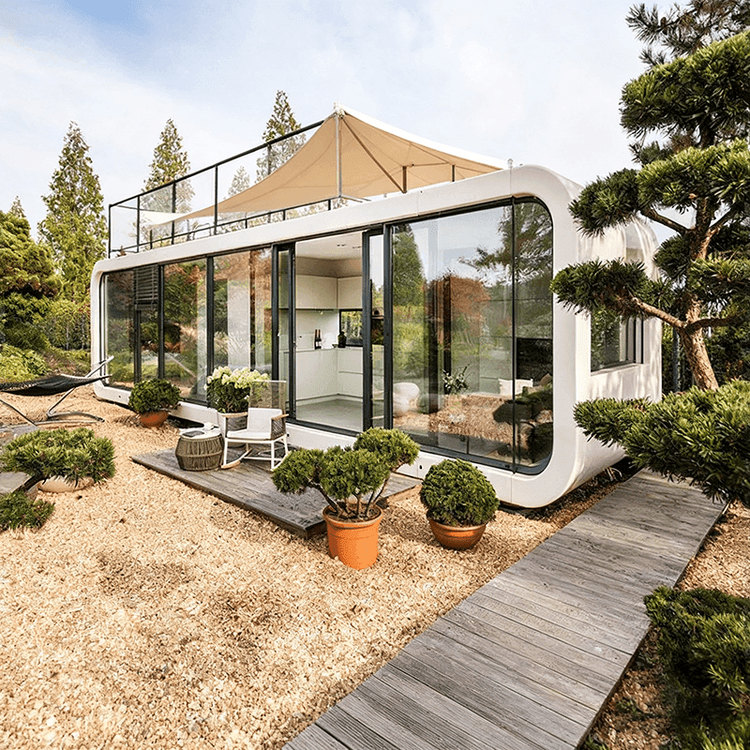
Yingshe Meiju's products are positioned for the high-end cultural tourism, health care, and homestay markets, emphasizing the integration of design aesthetics and functionality. For example, its houses can integrate intelligent systems to achieve offline energy management (such as solar energy storage) and zero-emission goals, meeting green building certification requirements.
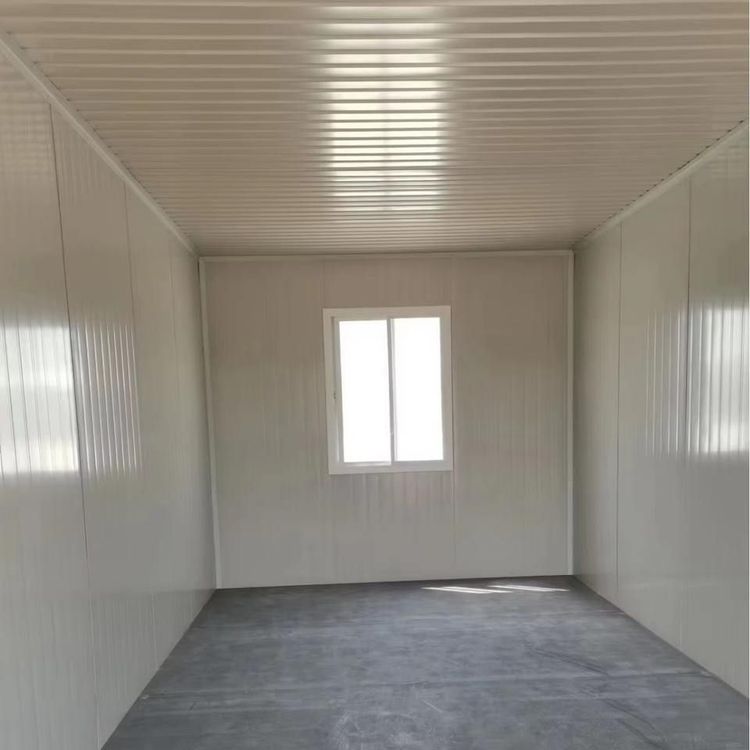
Ordinary prefabricated panel houses are mostly used in basic scenarios such as temporary housing and construction site dormitories, with advantages in low cost and rapid construction, but lacking personalized design and long-term use value.
Summary: Through steel structure technology innovation, Yingshe Meiju's prefabricated houses comprehensively surpass traditional prefabricated panel houses in terms of performance, flexibility, and sustainability, making them more suitable for scenarios with high requirements for quality and functionality. However, their costs may be higher than those of ordinary prefabricated panel houses, requiring comprehensive consideration based on project budgets and needs.