
Yichun Design Mobile Toilet
The mobile toilets designed in Yichun feature modularity, environmental friendliness, and efficient adaptation to cold climates as their core characteristics, integrating technological innovation with ecological benefits to form a complete solution.

Technical Composition and Functional Implementation
The technical system of Yichun's mobile toilets is built around three core modules:
- Water Storage System: It adopts a separate tank design to strictly separate flushing water from clean water, preventing cross-contamination. Some models are equipped with a water circulation device that collects hand-washing wastewater, filters it simply, and uses it for secondary flushing, reducing water consumption to only 15%-20% of that of traditional toilets.
- Waste Treatment Unit: It achieves harmless treatment through physical isolation and biodegradation technologies. Sealed containers reduce odor diffusion, and specific models feature decomposition tanks with dedicated bacterial strains that convert solid waste into harmless substances without the need for chemical additives; high-end models are equipped with biological filter beds that utilize microorganisms to decompose odor molecules, further reducing environmental impact.
- Ventilation System: It optimizes air circulation efficiency and combines odor-proof design to reduce odor accumulation, ensuring internal environmental quality. The latest models integrate solar power systems to provide clean energy for lighting and ventilation equipment, reducing reliance on external power grids.
Environmental Adaptability and Human-Centered Design
In response to Yichun's cold climate, the mobile toilets enhance adaptability from both material and structural aspects:
- Material Selection: The toilet bodies are made of corrosion-resistant composite materials (such as fiberglass or polyethylene) or metal sheets, while internal fittings use one-piece injection-molded plastic parts, reducing weight and lowering transportation damage rates.
- Insulation Design: By thickening the toilet bodies or incorporating built-in insulation layers, the equipment ensures normal operation in low-temperature winter environments, preventing pipe freezing or functional failures.
- Human-Centered Details: Non-slip floors and barrier-free access have become standard features, enhancing safety and convenience, especially for the elderly and disabled.
Ecological Benefits and Sustainable Development
The design of Yichun's mobile toilets embodies environmental protection concepts:
- Carbon Emission Control: Modular design improves transportation efficiency, reducing carbon emissions by 30%.
- Material Recycling: Over 70% of the materials can be recycled and reused after the end of their service life, reducing resource consumption.
- Rainwater Collection Experiments: Some models are currently testing rainwater collection functions, which, combined with water circulation systems, further reduce reliance on external water sources.
Technological Iteration Directions
Current research and development focus on energy self-sufficiency and resource recycling: Solar power systems have already been applied to lighting and ventilation, with potential future expansion to waste treatment units; if rainwater collection technology matures, it will significantly enhance applicability in remote areas or regions without municipal water supplies. These innovations bring mobile toilets closer to the sustainable development goals of "zero emissions and low maintenance."
You may also like

Portable Toilet for Energy Efficiency Solutions: A Buying Guide
Read More
Container House Custom Explained: How to Choose the Right One
Read More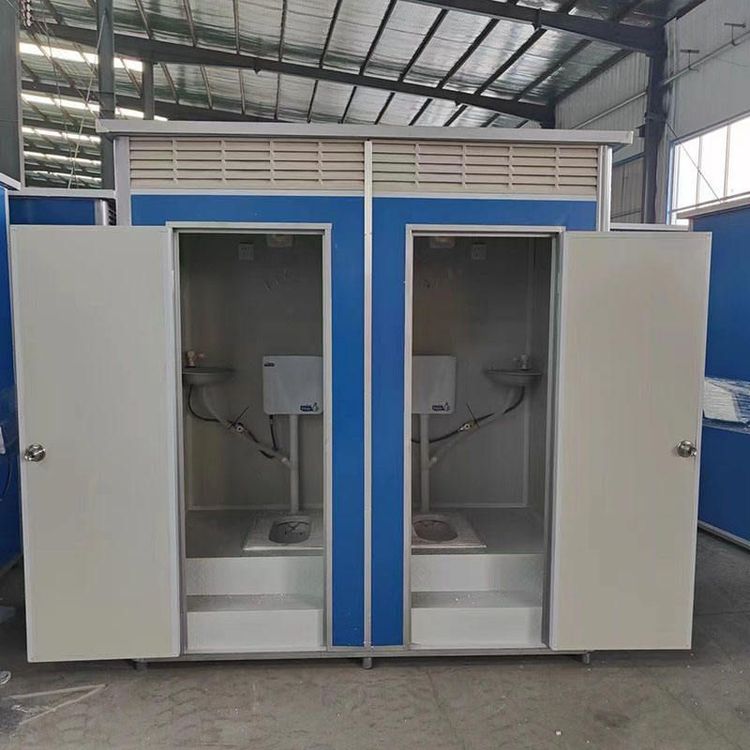
Portable Toilet Design Custom & OEM: Design & Bulk Production Guide
Read More