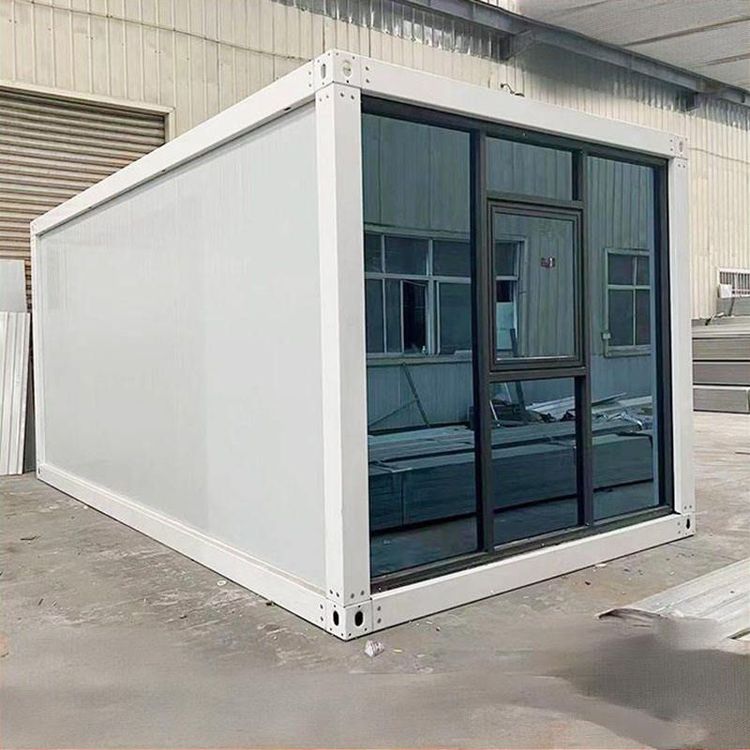
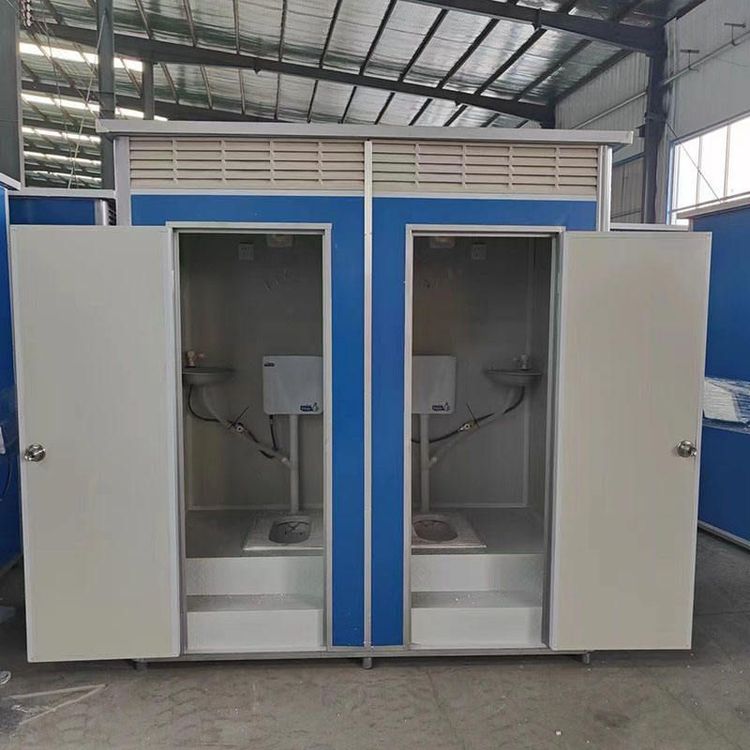
Yangzhou Street Mobile Toilet Design
The design of mobile toilets on Yangzhou streets requires comprehensive consideration of various factors, including type selection, structural composition, and design principles.

Mobile Toilet Type Selection
Yangzhou Yuyuan Environmental Protection Technology Co., Ltd. offers a variety of mobile public toilets, including foam-sealing, biodegradable, water-flush, vacuum self-priming, vehicle-towed, and waterless packaging types. Foam-sealing mobile toilets use a foam mixture to seal feces, saving water and reducing odors; biodegradable types decompose feces through microorganisms, being eco-friendly and pollution-free; water-flush mobile toilets are widely used and provide good cleaning effects; vacuum self-priming types quickly suction feces into storage tanks, reducing odor emission; vehicle-towed types are flexible and can be adjusted according to needs at any time; waterless packaging types do not require water and are suitable for water-scarce areas. When designing mobile toilets for Yangzhou streets, appropriate types can be selected based on factors such as pedestrian traffic, usage frequency, surrounding environment, and water resource conditions.
Mobile Toilet Structural Composition
Mobile toilets generally consist of fecal sewage storage tanks (or fecal sewage treatment devices), floor slabs, sanitary ware, walls, washing equipment, water tanks, roofs, and mobile devices. Fecal sewage storage tanks or treatment devices are used to collect and treat fecal sewage; floor slabs should be slip-resistant and easy to clean; sanitary ware, including toilets or squat pans, should ensure comfort and hygiene during use; walls need good thermal and sound insulation properties; washing equipment facilitates user cleaning; water tanks provide water for water-flush toilets; roofs should be weather-resistant; mobile devices ensure that the toilets can be easily moved and installed.
Mobile Toilet Design Principles
The design should adhere to the principles of mobility, cost-effectiveness, durability, environmental protection, ecological benefits, efficiency enhancement, and humanitarian promotion. The overall structure should be lightweight, using lightweight and durable materials as much as possible to reduce moving costs and difficulty; the structure should be sturdy to ensure safety during use; the height and width of the toilets should be controlled to conform to ergonomic and usage habits; mobile devices should be fully considered for completeness and rationality to ensure a smooth and safe moving process.