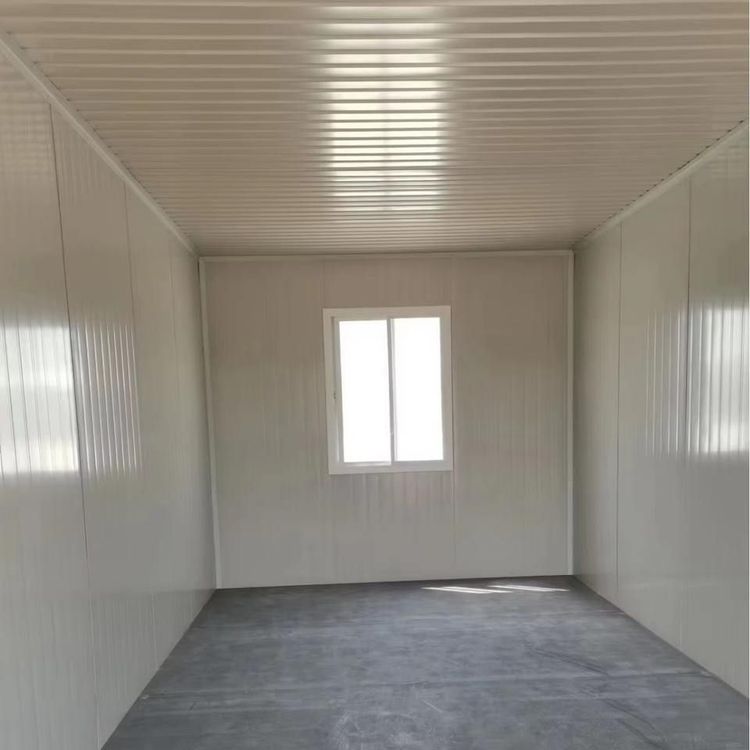
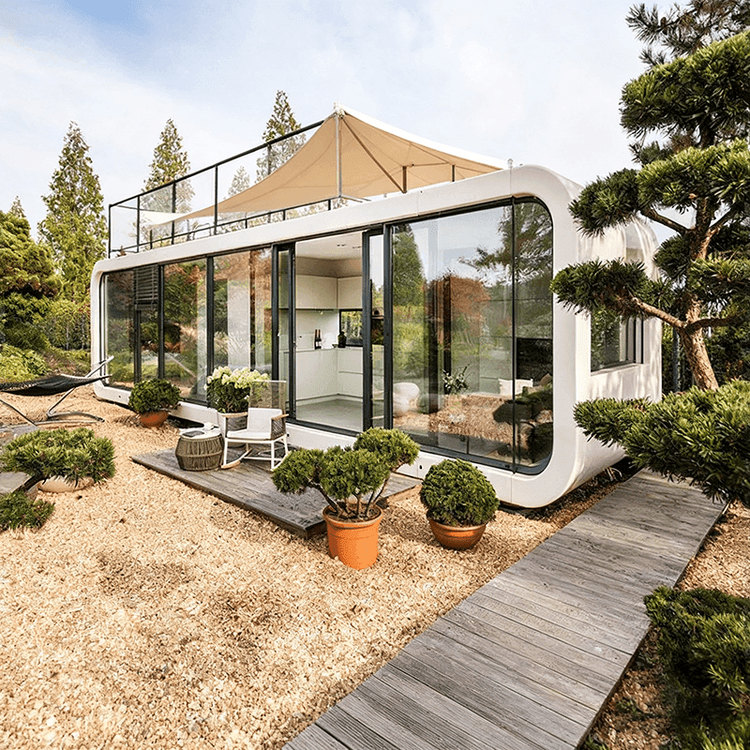
Yangji Prefabricated Concrete Houses
There is no direct publicly available information on 'Yangji Prefabricated Concrete Houses,' but prefabricated concrete houses themselves are a well-established form of construction with significant advantages.

The core principle of prefabricated concrete houses is 'factory prefabrication + on-site assembly.' Components such as wall panels, floor slabs, beams, and columns are produced in factories using standardized molds and mechanized equipment, ensuring dimensional accuracy and structural strength before being transported to the construction site for assembly. This approach overcomes the limitations of traditional cast-in-place concrete construction, which is affected by weather and site conditions, making it particularly suitable for projects with tight deadlines or complex construction environments.
The main advantages are reflected in three aspects:
- High construction efficiency: Factory prefabrication enables parallel operations across multiple processes. For example, foundation work can proceed simultaneously during component curing. On-site assembly requires only simple connections (such as bolt fixation, welding, or wet connections), reducing the construction period by over 50% compared to traditional cast-in-place methods. For instance, the main structure of a rural self-built house using prefabricated components can be completed in 1-2 weeks, whereas cast-in-place construction typically takes 1-2 months.
- Strong quality stability: The factory environment allows precise control of concrete mix ratios and curing conditions (temperature and humidity) through automated equipment, avoiding quality fluctuations caused by variations in worker skills or environmental factors during on-site construction. Components undergo rigorous quality inspections, including strength testing and dimensional verification, before leaving the factory to ensure overall structural safety.
- Outstanding environmental and economic benefits: Prefabricated component production reduces on-site wet operations (such as concrete mixing and formwork support), lowering dust and noise pollution while meeting green building requirements. Additionally, factory-scale production optimizes material utilization (reducing waste from offcuts), lowering overall costs by 10%-15% compared to cast-in-place methods, especially for bulk construction projects (such as construction site dormitories and temporary shelters).
Wide range of applications: In addition to temporary housing and construction site dormitories, prefabricated houses have successful use cases in rural self-built homes, tourist homestays, and emergency rescue housing. For example, some rural areas adopt prefabricated modular homes, achieving flexible layouts like 'living on the first floor and storage on the second floor' through modular design to meet personalized needs.
For further information on whether such technologies are promoted in the 'Yangji' area, it is recommended to contact the local housing and construction department or prefabricated component manufacturers to obtain regional policy support or project case information.