Xinzheng Cement Prefabricated House
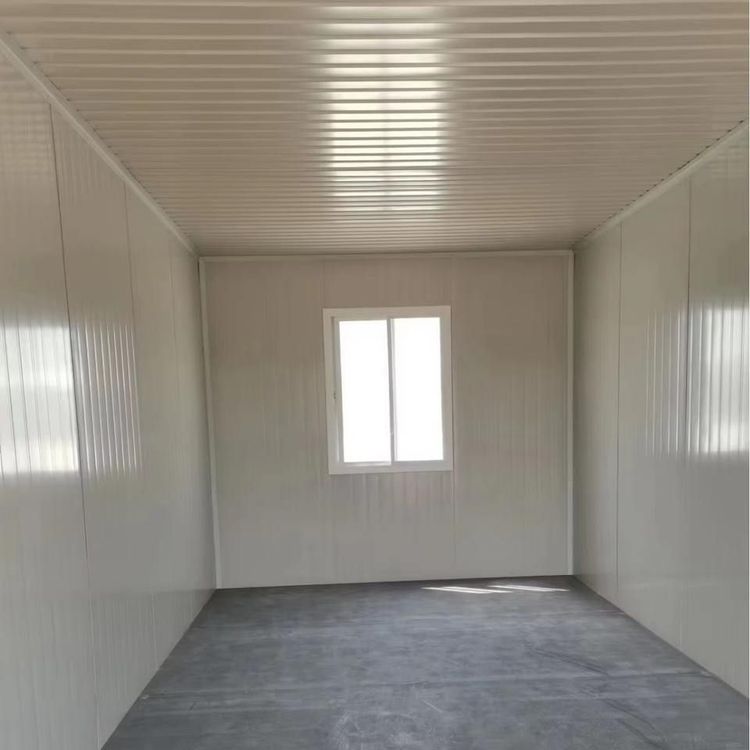
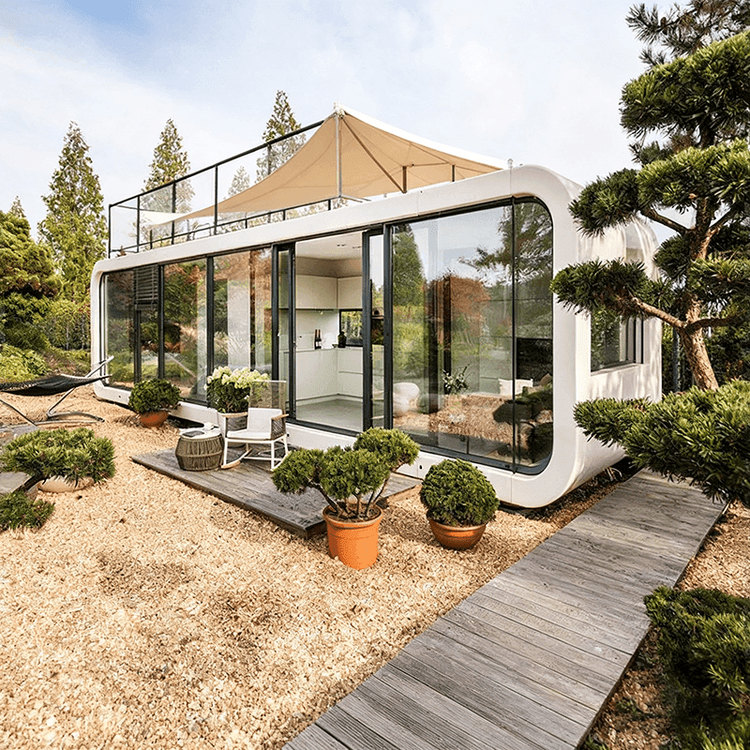
The Xinzheng cement prefabricated house is a type of housing constructed by rapidly assembling prefabricated cement panel components. It offers advantages such as high construction efficiency, low cost, and reliable quality, but also has drawbacks like limited design flexibility and the need for improvement in thermal insulation and earthquake resistance.
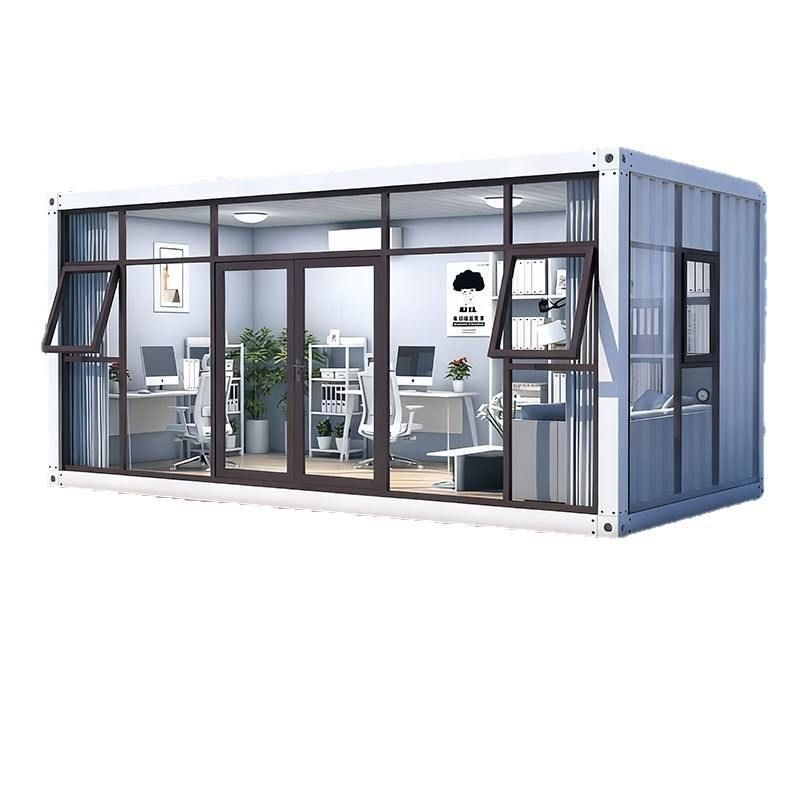
In terms of construction efficiency: The construction process of cement prefabricated houses is similar to building with blocks. After the prefabricated cement panel components are transported to the construction site, a few workers can complete the assembly of a villa in just four hours, and it takes only two days to build an entire building. Compared to traditional construction methods, this approach significantly improves efficiency, greatly shortens the construction cycle, and can meet people's housing needs more quickly.
Regarding cost: The cost per square meter of a cement prefabricated house is only around 300 yuan, and the cost of a large villa is just over 100,000 yuan, far lower than that of traditional brick-and-concrete structures. This makes cement prefabricated houses more economically advantageous, especially suitable for rural areas or builders with limited budgets, enabling them to reduce construction costs and improve capital utilization efficiency.
In terms of quality and applicability: The main body of a cement prefabricated house is a reinforced concrete structure with a quality guarantee period of up to 70 years, featuring high structural strength and durability. It has a wide range of applications, suitable for residential buildings, dormitories, and office buildings, meeting the construction needs of different purposes.
Shortcomings: There are also some areas that need improvement in cement prefabricated houses. Firstly, the design may lack flexibility. Due to the assembly method using prefabricated components, the layout and appearance of the house may be somewhat restricted, making it difficult to meet personalized design requirements. Secondly, the thermal insulation performance needs further research and improvement to enhance the living comfort of the house. Thirdly, in earthquake-prone areas, its earthquake resistance also needs to be strengthened to ensure the safety of the house during natural disasters such as earthquakes.