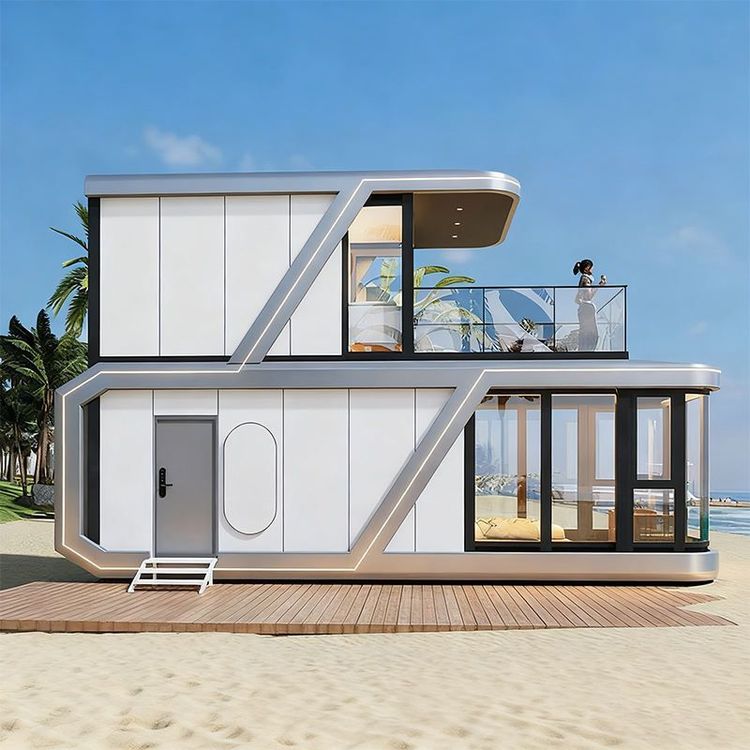
Xinjiang Prefabricated Mobile Toilet
Xinjiang prefabricated mobile toilets are modular and movable sanitation facilities suitable for tourist attractions, construction sites, temporary events, and other scenarios. When selecting them, it is necessary to comprehensively consider factors such as usage scenarios, functional configurations, climate adaptability, transportation and delivery capabilities, and after-sales maintenance.

1. Matching with Usage Scenarios
The requirements for toilets vary significantly across different scenarios. Tourist attractions need to prioritize addressing long queues during peak periods, ensuring an adequate number of toilet stalls, and being equipped with barrier-free facilities (such as handrails and low-level washbasins) as well as convenient cleaning and maintenance designs. Construction sites place greater emphasis on impact resistance (such as steel frame structures), rapid installation capabilities, and regular fecal sludge removal services. Outdoor campsites or service areas require off-grid operation capabilities, such as solar power systems, waterless treatment technologies (such as foam sealing) or recirculating flushing devices, to adapt to conditions in remote areas without access to water and electricity.
2. Rationality of Functional Configurations
They can be classified into three categories based on treatment methods:
- Water-flushing type: Relies on water sources and sewage pipelines, offering high cleanliness but with limited applicability, suitable for areas with well-developed infrastructure such as tourist attractions;
- Chemical type: Decomposes fecal sludge through chemicals, with strong portability, suitable for temporary emergency or highly mobile scenarios;
- Ecological type: Utilizes microbial degradation technology to reduce the frequency of cleaning, suitable for arid regions with water shortages or inconvenient sewage disposal (such as some Gobi areas in Xinjiang).
3. Climate Adaptability Design
Xinjiang experiences severe cold in winter (below -20°C), large diurnal temperature variations, and frequent sandstorms, necessitating a focus on the following aspects:
- Insulation measures: Walls are filled with insulation materials such as polyurethane, and water tanks adopt electric tracing or double-layer anti-freezing designs;
- Sealing performance: Doors and windows are equipped with rubber sealing strips to prevent sandstorm intrusion;
- Pipeline protection: Drainage pipes are buried deep or fitted with insulation sleeves to prevent freezing and cracking.
4. Transportation and Delivery Capabilities
Xinjiang has a vast territory, and project sites are often far from cities. It is necessary to confirm whether the supplier has:
- Localized resources: Such as warehousing centers in Urumqi or Kashgar, which can shorten transportation cycles;
- Logistics coordination: Large modular transportation requires professional vehicles and route planning;
- Installation skills: On-site hoisting, foundation leveling, and commissioning capabilities to ensure timely project delivery.
5. After-sales Maintenance Guarantee
Frequent use can easily lead to damage to components such as electronic flush valves and door locks. It is necessary to confirm whether the supplier can provide:
- Spare parts supply: Sufficient inventory of commonly used spare parts;
- Remote guidance: Resolve simple faults through video or phone calls;
- Localized services: Deploy maintenance teams or cooperative outlets in remote areas to reduce downtime risks.
Procurement Reference: According to the Baidu Love Procurement platform, Mingqi Mobile Toilets (9,800 yuan per unit) and Xianxian Hengtong Class II Restrooms (9,500 yuan per room) are suitable for tourist attractions; Henan Jiuzhuo Metal Products (560 yuan per unit, bulk purchases) may be simple types suitable for construction sites; Xinjiang Juxintaijie Environmental Protection Facilities Co., Ltd. supports rental and customization services, flexibly meeting the needs of temporary events.