
Back to blog
Article
Wuxi Flush-Type Mobile Toilet
Admin September 21, 2026
The Wuxi flush-type mobile toilet is a temporary sanitation facility that integrates water storage, flushing, and sewage storage functions. When renting, it is necessary to comprehensively consider usage scenarios, contract terms, and maintenance management requirements.
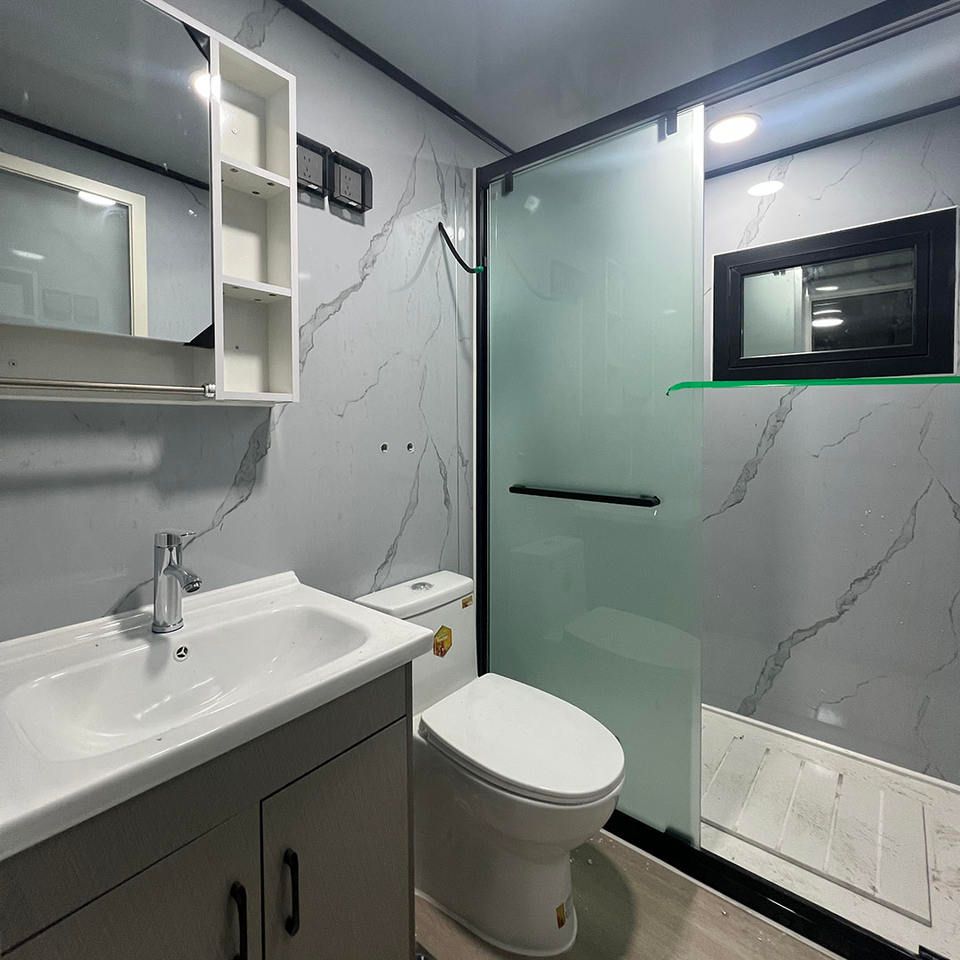
I. Equipment Function and Structure
The Wuxi flush-type mobile toilet achieves instant sewage discharge and flushing functions through an integrated system. Its core components include:
- Clean Water Tank: Stores clean water to support the operation of the flushing device.
- Flushing Device: Triggered by foot pedal or sensor to reduce the risk of contact contamination.
- Sewage Storage Tank: Sealed and connected to the flushing system, temporarily storing sewage that requires regular removal. The equipment is suitable for temporary events, construction sites, and other scenarios, allowing for rapid deployment and easy mobility.
II. Scenario Parameters to Clarify Before Renting
- Foot Traffic and Usage Duration: Estimate the peak daily foot traffic and the number of consecutive days of use to determine the number of units and the capacity of the sewage tank. For example, high-traffic scenarios may require large-capacity storage tanks or increased removal frequency.
- Infrastructure Conditions:
- Water and Power Supply: If the equipment relies on external water supply, confirm whether the site has the necessary connections. When power is required for sensor-based flushing devices or night lighting, assess the stability of the power supply.
- Sewage Removal Access: Ensure that removal vehicles can directly access the equipment location to avoid difficulties in pumping due to narrow spaces.
III. Key Terms in the Rental Contract
- Scope of Services: Clearly specify the equipment specifications (e.g., single or multiple toilet stalls), quantity, rental start and end dates, and the responsible parties for installation and removal.
- Maintenance and Response: Agree on the frequency of routine maintenance (e.g., daily cleaning and disinfection), the time limit for repairing sudden malfunctions (e.g., response within 2 hours), and the monitoring and removal arrangements for the sewage tank level.
- Cost Structure: Cover the full-cycle costs, including transportation, installation, maintenance, removal, and water and electricity consumption, to avoid hidden charges.
IV. Delivery, Installation, and Usage Management
- Site Preparation: The lessee must provide a flat and sturdy ground surface slightly larger than the equipment base and reserve space for removal vehicle operations.
- Service Provider Responsibilities: Responsible for positioning the equipment, leveling it, connecting the clean water pipe (if water supply is available), setting up instructional signs, and providing operational training.
- Division of Responsibilities During the Rental Period:
- Service Provider: Regularly check the sensitivity of the flushing device, replenish consumables (e.g., hand soap, toilet paper), clean and disinfect the interior space, monitor the sewage tank level, and arrange for removal.
- Lessee: Responsible for external daily cleaning, order maintenance, and promptly reporting abnormalities (e.g., equipment damage or sewage leakage).
By standardizing the rental process and clarifying the division of responsibilities, the efficient operation of the Wuxi flush-type mobile toilet can be ensured, meeting temporary sanitation needs.



