Why Are Prefabricated Houses Cheap
The main reasons why prefabricated houses are cheap include factory production, differences in labor costs, comparisons of construction methods, and cost composition factors.

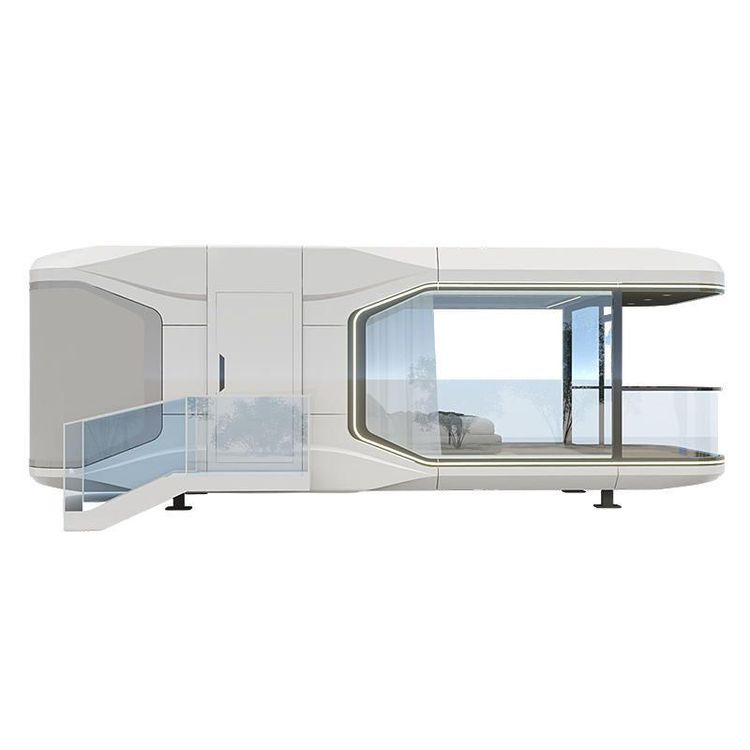
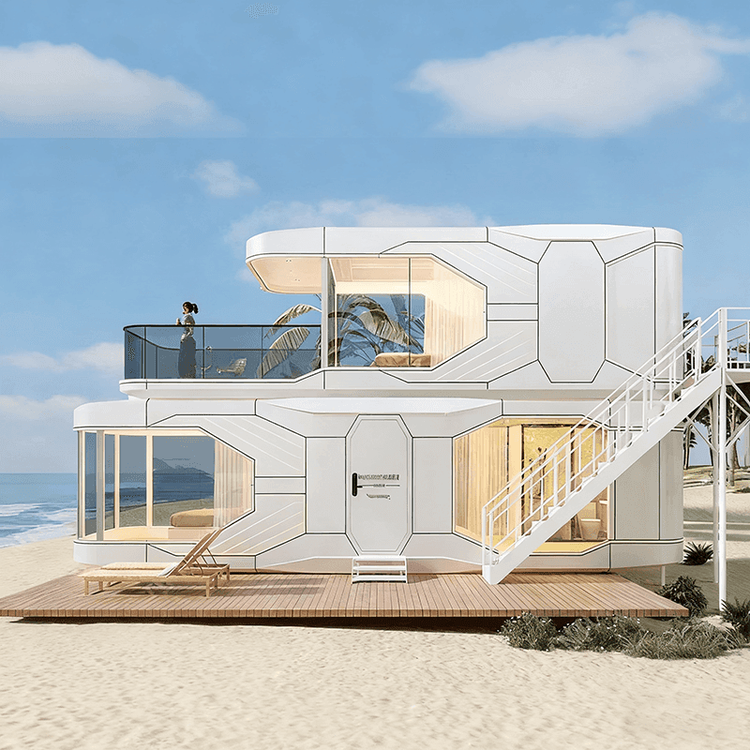
Factory production is one of the key factors contributing to the low cost of prefabricated houses. Most of the processes for prefabricated houses are completed in factories. Taking expandable container houses (prefabricated buildings) as an example, most of the work is carried out in factories, and only assembly is required on-site. This production method significantly reduces the time and labor costs of on-site construction. For instance, Chinese factories disassemble reinforced concrete houses into modules, produce them through assembly-line operations, and then package and transport them abroad. On-site, they only need to be assembled like building blocks to complete house construction. This efficient production method greatly reduces the production costs of prefabricated houses.
Differences in labor costs are also an important factor affecting the price of prefabricated houses. In European and American countries, construction labor costs are high. Taking the United States as an example, there is a shortage of construction workers, and wages are high. Workers earn at least $200 a day, and it is normal for skilled workers to earn $500 a day, and they do not work overtime. When building a house, the combined labor and material costs amount to at least one million yuan. In contrast, prefabricated houses produced in China have relatively lower labor costs, so their prices are more affordable and offer good value for money.
Comparisons of construction methods also highlight the price advantages of prefabricated houses. In rural China, self-built houses involve purchasing bricks, tiles, and cement and hiring local villagers to build on homestead land. A typical self-built house costs tens of thousands of yuan, which is not significantly different from the price of a prefabricated house, so the price advantage of prefabricated houses is not obvious. However, abroad, traditional construction methods are costly, and the price advantages of prefabricated houses become prominent.
Cost composition factors also make prefabricated houses competitive in terms of price. Taking Germany as an example, the "turnkey price" of a prefabricated house does not necessarily equal the "total cost." However, if options such as site surveys and earthworks are not upgraded, its base price has certain advantages over brick-and-mortar houses. In addition, the on-site assembly of prefabricated houses is fast, less affected by weather, and follows a standardized construction process, which reduces some costs caused by extended construction periods and further lowers the total price of prefabricated houses.