
Back to blog
Article
Portable Toilet Rendering Explained: How to Choose the Right One
Admin November 17, 2026
Choosing the right portable toilet requires considering usage scenarios, waste disposal methods, material construction, and brand features. Here is a detailed analysis:

1. Match Types Based on Usage Scenarios and Needs
- Temporary Needs: For large events, construction sites, or disaster relief areas, choose models that can be quickly deployed and easily disassembled, such as hoisted or towed portable toilets. These products typically feature a single-unit structure, offering high flexibility for short-term, concentrated use.
- Long-Term Usage Scenarios: For tourist attractions, villa areas, or fixed service areas, composite-structure portable toilets are recommended. Their modular design allows for capacity expansion, and materials like color-coated steel or fiberglass-reinforced plastic are more durable, enabling them to blend with the environment through aesthetic design.
- Special Population Needs: For home care or individuals with mobility issues, choose products with humanized design, such as the multi-functional portable toilet from the Yihui brand, which features folding capabilities, a slow-descent silent mechanism, and anti-slip design to enhance safety and convenience.
2. Choose Based on Waste Disposal Methods
- Flush Type: Relies on a water source, suitable for places with high hygiene requirements like city streets and stations. It reduces odors through water flushing but requires a配套 (supporting) sewage pipeline.
- Waterless Suction Type: Uses vacuum technology or dry packing to dispose of waste, suitable for water-scarce environments like wild camping or mining areas. It does not require an external water source but requires regular cleaning of the fecal storage tank.
- Recirculating Flush Type: Reuses water resources through a filtration system, promoting environmental protection and energy efficiency. It is suitable for long-term deployment scenarios like scenic spots or construction sites but has higher initial costs.
3. Focus on Material and Structural Characteristics
- Material Selection:
- Plastic Portable Toilets: Lightweight and low-cost but less durable, suitable for short-term use.
- Color-Coated Steel/Fiberglass-Reinforced Plastic Portable Toilets: Corrosion-resistant and easy to clean, suitable for long-term outdoor exposure.
- Structural Forms:
- Single-Unit Structure: Independent units with high flexibility, suitable for small-scale needs.
- Composite Structure: Modular combinations that can expand capacity, suitable for high-traffic areas like music festivals or sports events.
4. Evaluate Brand and Functional Innovations
- Environmental Design: For example, the Kangji brand adopts an intelligent water circulation system to reduce water waste, suitable for ecologically sensitive areas.
- Smart Features: The KSITEX brand offers smart portable toilets equipped with fast charging and multi-functional control systems to enhance the user experience.
- Comfort: The Yade brand combines heating, deodorization, and automatic cleaning functions to meet diverse needs, suitable for high-end scenarios.
5. Refer to User Reviews and Practical Application Cases
- Reputable Brands: Brands like Yihui and Kangji are known for their durability, ease of cleaning, and humanized design, receiving positive user reviews.
- Case References: Dalian City flexibly deployed portable toilets during peak tourist seasons to alleviate crowd pressure; the Lanzhou Yellow River Scenic Line used portable toilets to compensate for the insufficient layout of fixed toilets, demonstrating their adaptability.
Summary Recommendations: For short-term needs, prioritize hoisted or waterless suction types (such as plastic or color-coated steel single-unit structures); for long-term needs, recommend composite-structure, flush-type, or recirculating flush-type toilets, incorporating environmental protection and comfort features; for special scenarios, choose brands based on needs (such as Yihui for home care, Kangji for camping, and KSITEX or Yade for smart experiences).
Related
You may also like

17Nov
Top Mobile Container House Manufacturers: How to Choose a Factory Partner
Read More
17Nov
Portable Toilet Waterproof in 2026: Buying Guide & Recommendations
Read More
17Nov
Modular Container House: What to Know Before You Buy
Read More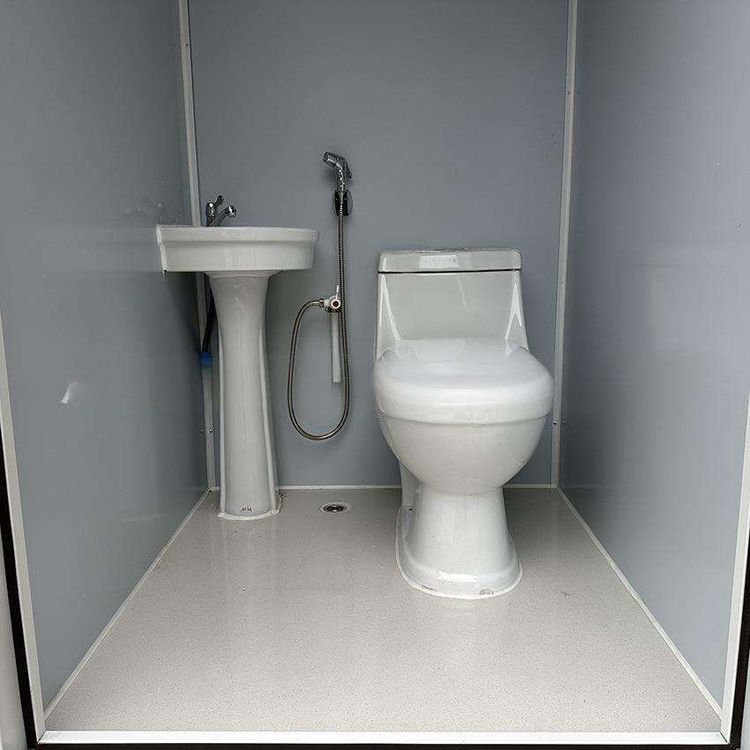
17Nov