
Where Can Container Houses Be Placed
Container houses can be placed in farmland/on rooftops (for temporary storage), alongside highways (within safe distances), on homestead land, commercial land, residential land, and other legally planned areas, provided they meet specific conditions and comply with relevant laws and regulations.
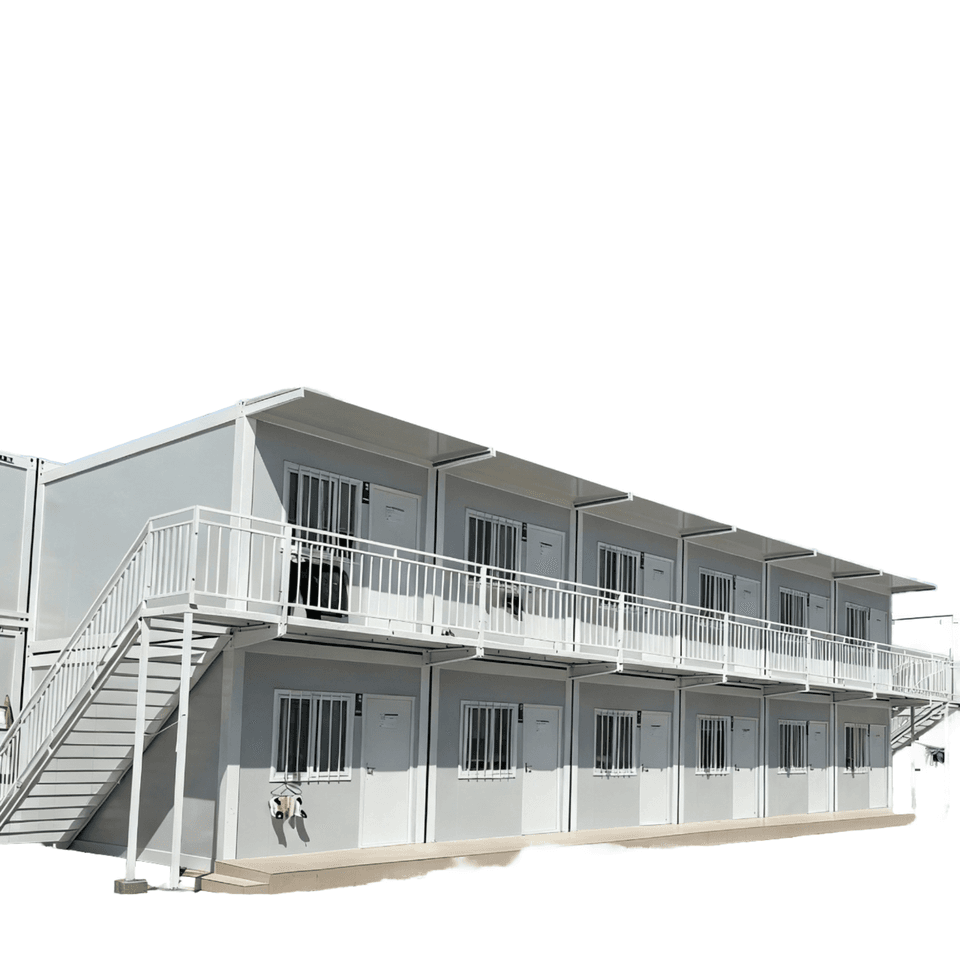
1. Farmland or Rooftops (for Temporary Storage)
If used solely for storing agricultural supplies and tools, without hardening the ground, connecting to utilities, or altering the land's nature, it is generally not considered illegal construction. However, placement on arable land must be strictly avoided, as it may be classified as an "大棚房" (greenhouse-turned-residence) issue, facing demolition risks. Rooftop placement requires ensuring structural load-bearing safety to avoid affecting the overall stability of the building.
2. Alongside Highways
Strict adherence to the highway construction control zone is required: no less than 20 meters for national highways, 15 meters for provincial highways, 10 meters for county highways, and 5 meters for township highways. Construction of buildings or ground structures within the control zone is prohibited; otherwise, they may be forcibly demolished for violating the "Regulations on the Protection of Highway Safety."
3. On Homestead Land
The legal risk is relatively low, but compliance with the township's overall land use plan and village plan is necessary. If expansion or renovation is involved, approval from the township people's government is required to ensure that homestead area limits are not exceeded and the land's purpose is not altered.
4. Commercial Use (Homestays, Shops, etc.)
Land use approval, planning filing, and fire safety permits must be obtained. The land's nature should preferably be commercial or cultural tourism land, avoiding arable land protection zones. Structural safety must comply with the "Technical Specification for Modular Combination Container Houses" (CECS 334:2013), ensuring seismic resistance, fire safety, and other performance standards are met.
5. Residential Use
Construction permits must be applied for as formal buildings, with a height limit of no more than 6 stories and a total height ≤ 24 meters. The design must meet residential functional requirements and pass special inspections for fire safety and environmental protection.
6. Other Compliant Scenarios
Placement within urban planning areas requires obtaining a construction engineering planning permit or temporary construction planning permit, specifying the construction period and scope. Design, construction, and installation must adhere to building safety codes, meet fire safety requirements, and pass inspections. Special areas (such as scenic spots and historical and cultural protection zones) must comply with relevant protection regulations to avoid damaging landscapes or historical relics.



