Views on Container Houses
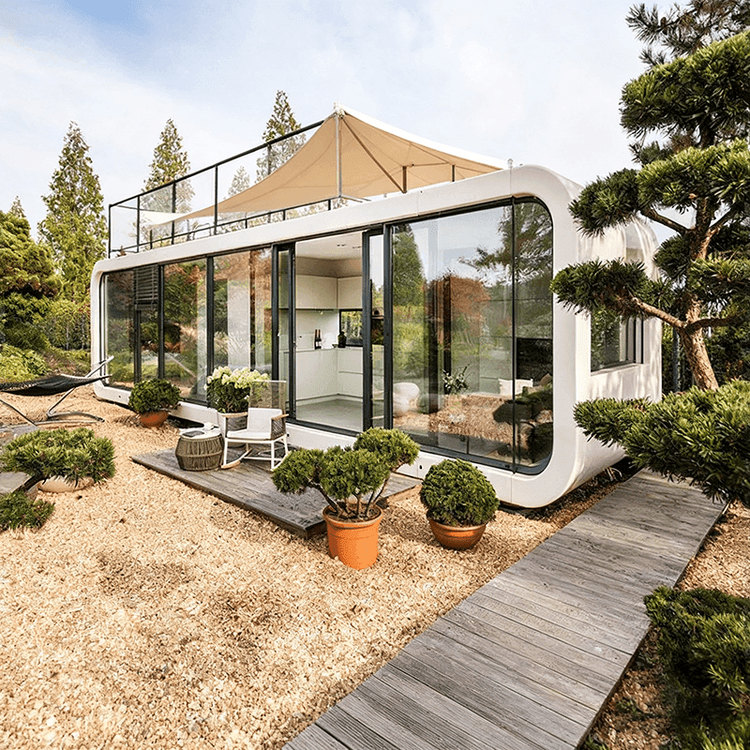
Container houses offer practicality and innovation in specific scenarios, but they can reveal significant shortcomings if not properly planned or if they are unable to cope with extreme conditions.

Advantages: Outstanding Flexibility and Cost Control
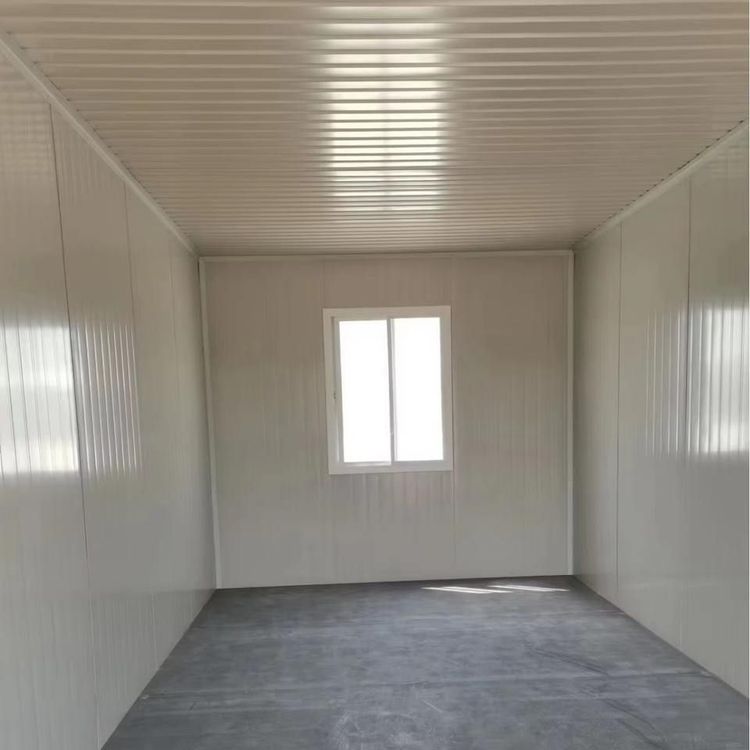
Container houses, centered around modular design, feature rapid construction, mobility, and reusability. They demonstrate significant advantages in scenarios such as engineering camps, emergency rescue operations, and commercial pop-up events. For example, the packing-box units produced by Suzhou Zhongnan Steel Structure Co., Ltd. utilize a fully steel structural frame, achieving a wind resistance rating of Level 12 and an earthquake resistance rating of Level 8. The frame deformation rate is only 0.18%, significantly lower than the industry's acceptable threshold of 0.3%. Moreover, a single unit can be installed in just 2 hours and supports on-demand assembly, enabling the construction of 10 standard dormitory units within a day. This "factory prefabrication + on-site rapid assembly" model significantly shortens construction periods and reduces labor and material costs, making it particularly suitable for cross-regional projects or temporary needs. Additionally, the steel used in container houses can be recycled, and their lifecycle carbon emissions are lower than those of traditional concrete buildings, aligning with green building trends.
Shortcomings: Inadequate Living Experience and Adaptability to Extreme Conditions
If container houses are used for long-term residence or high-density personnel accommodation, their hardware deficiencies become apparent. For instance, the container dormitories used at the Nagoya Asian Games faced budget constraints, resulting in cramped spaces and rudimentary facilities: single beds were only 195 centimeters long, making it impossible for athletes around two meters tall to straighten their legs; room heights and aisles were narrow, with poor sound insulation; each unit was equipped with only one air conditioner, necessitating door opening for ventilation and cooling; frequent issues such as leaking sinks and waterlogged floors occurred. Combined with heavy rainfall in the area, some container camps faced emergencies, leading to the evacuation of hundreds of athletes. Furthermore, the container camps were far from the competition venues, with commute times exceeding one hour, further exhausting the athletes' energy. These cases indicate that the living comfort and functionality of container houses are highly dependent on preliminary planning and supporting measures. Neglecting the needs of the usage scenario can lead to serious problems.
Key: Need to Optimize Design and Emergency Plans Based on Scenarios
The applicability of container houses requires adjustments based on different scenarios. For example, in response to extreme weather, products with adequate wind and earthquake resistance ratings should be selected, and low-lying areas should be avoided for site selection. For long-term residence, spatial layouts should be optimized, sound insulation and thermal insulation performance improved, and comprehensive living facilities provided. For high-density personnel accommodation, traffic, security, and emergency evacuation routes should be planned in advance.