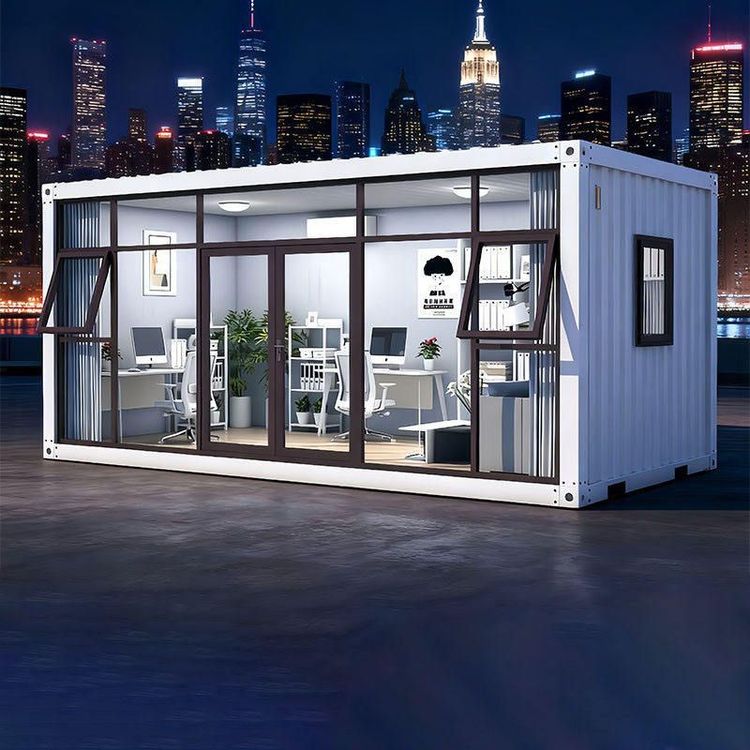
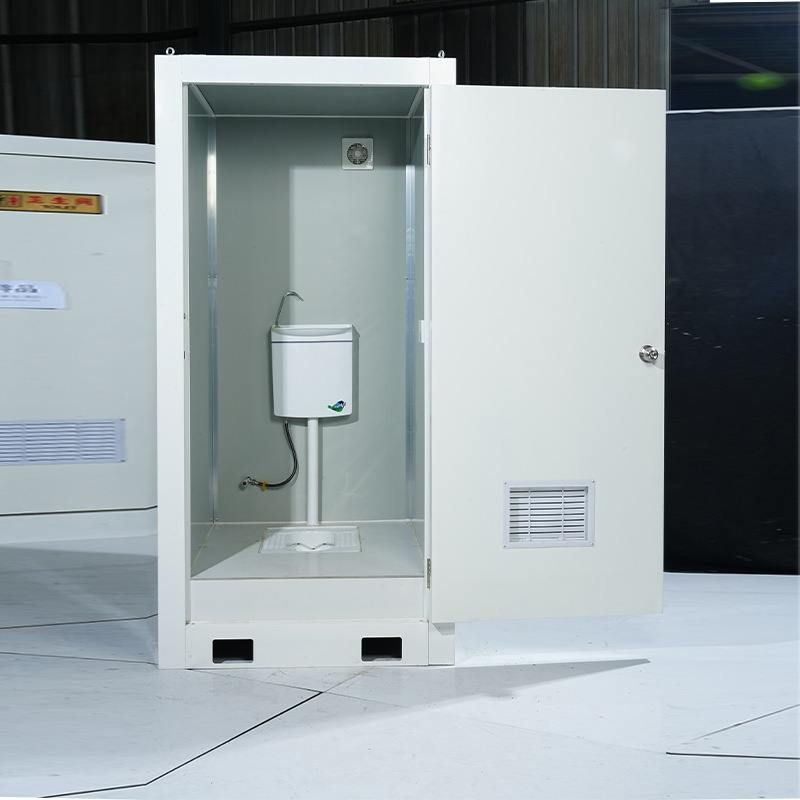
Ventilation Fan Mobile Toilet
Currently, there is no standardized definition or mature product information directly related to the 'ventilation fan mobile toilet', but reasonable speculation and analysis can be made from the perspective of combining the functions of mobile toilets and ventilation fans.
Basic Composition and Functions of Mobile Toilets
A mobile toilet is a sanitary facility that can be moved and flexibly arranged. It typically consists of a toilet cubicle body, a fecal collection device (such as a fecal storage tank), and a sewage discharge system (for some types). Its core function is to provide users with a temporary or specific-scenario toilet space, addressing the inconveniences caused by traditional fixed toilets due to their fixed locations and long construction periods. Mobile toilets are widely used in outdoor activities, construction sites, emergency rescue scenarios, etc.
Potential Role of Ventilation Fans in Mobile Toilets
As a common ventilation device, a ventilation fan's main function is to accelerate air circulation, expel indoor stale air, and introduce fresh air to improve indoor air quality. In mobile toilets, ventilation fans can play a crucial role. During the toilet-using process, odors and moisture are generated. If not promptly expelled, they can lead to stale air and excessive humidity inside the toilet cubicle, not only affecting user comfort but also potentially breeding harmful microorganisms such as bacteria and molds, posing a health risk to users. After installing a ventilation fan, through continuous or intermittent operation, it can expel odors and moisture from the toilet cubicle to the outside, keeping the indoor air fresh and dry, and enhancing the user experience.
Possible Design Forms of Ventilation Fan Mobile Toilets
One possible design is to install a ventilation fan on the top or side of the mobile toilet and connect it to the interior of the toilet cubicle through pipes. The power and air volume of the ventilation fan can be selected according to the size and usage frequency of the toilet cubicle to ensure sufficient ventilation effects. At the same time, to improve ventilation efficiency, reasonable air inlets can be set up inside the toilet cubicle to create air convection. In addition, the consideration can be given to equipping it with an intelligent control system that automatically adjusts the operating state of the ventilation fan based on signals fed back from air quality sensors inside the toilet cubicle, achieving a balance between energy conservation and efficient ventilation.