Container House Buying Guide: Options & Tips
When purchasing a container house, it is essential to comprehensively consider product lines, materials, costs, and design, incorporating practical tips to mitigate risks and optimize budgets, while also paying attention to sustainable and modular trends in 2026.

I. Product Lines and Customization Options
The diversity of container houses is reflected in their product lines and customization capabilities. Brands like Xinheng offer six major series of modular products, including two-story resort-style prefabricated units (equipped with glass facades, terraces, and independent bathrooms), 40-foot standard prefabricated houses, and 20-foot expandable studios. The design flexibility is extremely high, ranging from single-container micro-homes to multi-container composite buildings, suitable for construction sites, mines, tourist attractions, and residential areas. Modular design supports stacking and expansion, such as combining two 20-foot containers into an L-shaped residence to meet space upgrade needs.
II. Core Indicators of Materials and Durability
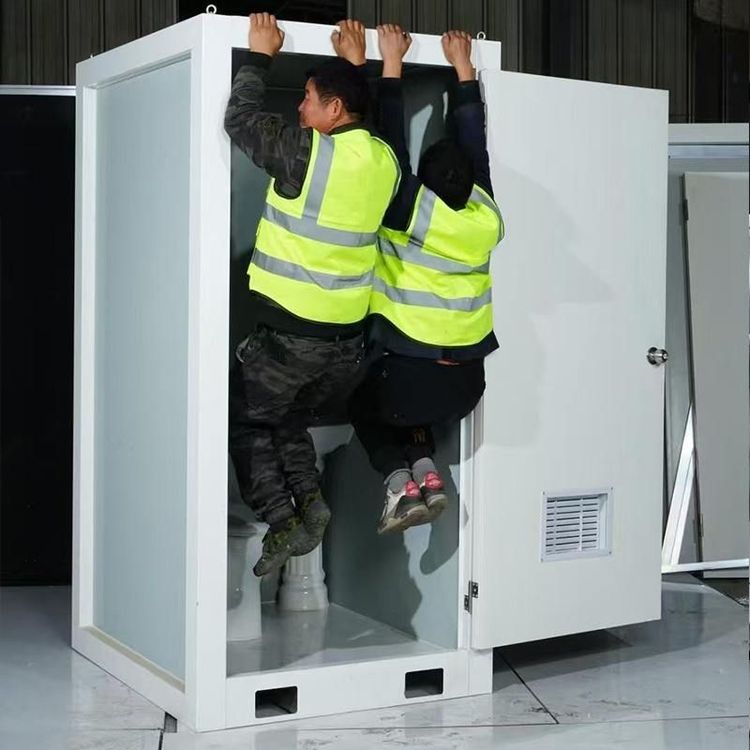
Material selection directly affects the lifespan and adaptability of the house. Mainstream products use galvanized steel structural frames with fire-resistant and waterproof coatings to withstand harsh environments like mines and construction sites. Key verification points include:
- Structural certification: Must pass extreme climate tests (e.g., high temperatures, severe cold, strong winds);
- Modular connections: Ensure stability after stacking or splicing;
- Corrosion resistance: The thickness of the galvanized layer must comply with international standards (e.g., ISO 1461).
III. Sustainability and Cost Control Strategies
Environmental protection and cost-effectiveness are core advantages of container houses.
- Material recycling: Using retired shipping containers can reduce carbon emissions by over 60% while minimizing construction waste;
- Cost advantages: Modular systems shorten construction periods, with total costs 30%-50% lower than traditional housing;
- Budget optimization tips:
- Choose second-hand containers or recycled materials (e.g., building a low-cost cabin for under $6,000);
- Prioritize foldable structures to reduce shipping costs (one 40-foot high cube container can hold 10-14 foldable houses).
IV. Key Buying Tips and Risk Mitigation
- Legal compliance: Check local building regulations in advance, as some areas may restrict the use of container houses or require special permits;
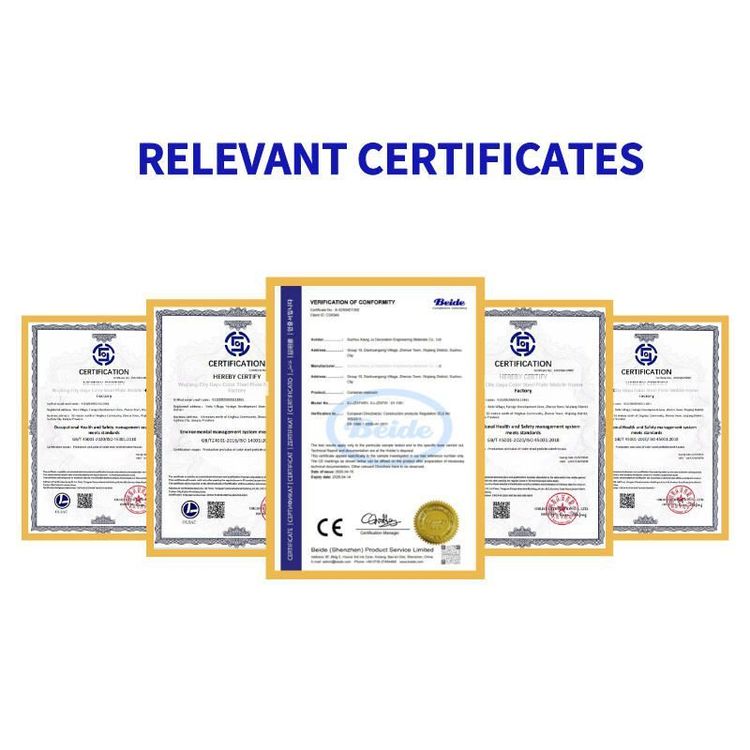
- Quality certification: Request durability test reports from suppliers (e.g., salt spray tests, seismic ratings);
- Functional design:
- Reserve modular expansion interfaces for future additions;
- Integrate off-grid systems (solar panels, rainwater harvesting) to enhance sustainability;
- Supplier selection: Choose manufacturers with global export capabilities (e.g., covering 30+ countries), 14-day rapid production, and single-day installation efficiency to ensure timely delivery.
V. 2026 Trend Outlook
Economic fluctuations and rising material costs will drive the mainstream adoption of container houses, with their modular nature aligning with the demands for "micro-homes" and "remote work." Future designs will focus more on multi-scenario adaptability, such as rapid reconfiguration to meet Airbnb short-term rental or post-disaster temporary housing needs, while smart systems (e.g., IoT energy management) will become standard.