
Ventilation and Heat Dissipation Mobile Toilet
Ventilation and heat dissipation are crucial in the design and use of mobile toilets. A reasonable ventilation and heat dissipation design can effectively improve the indoor air quality and enhance the user experience.
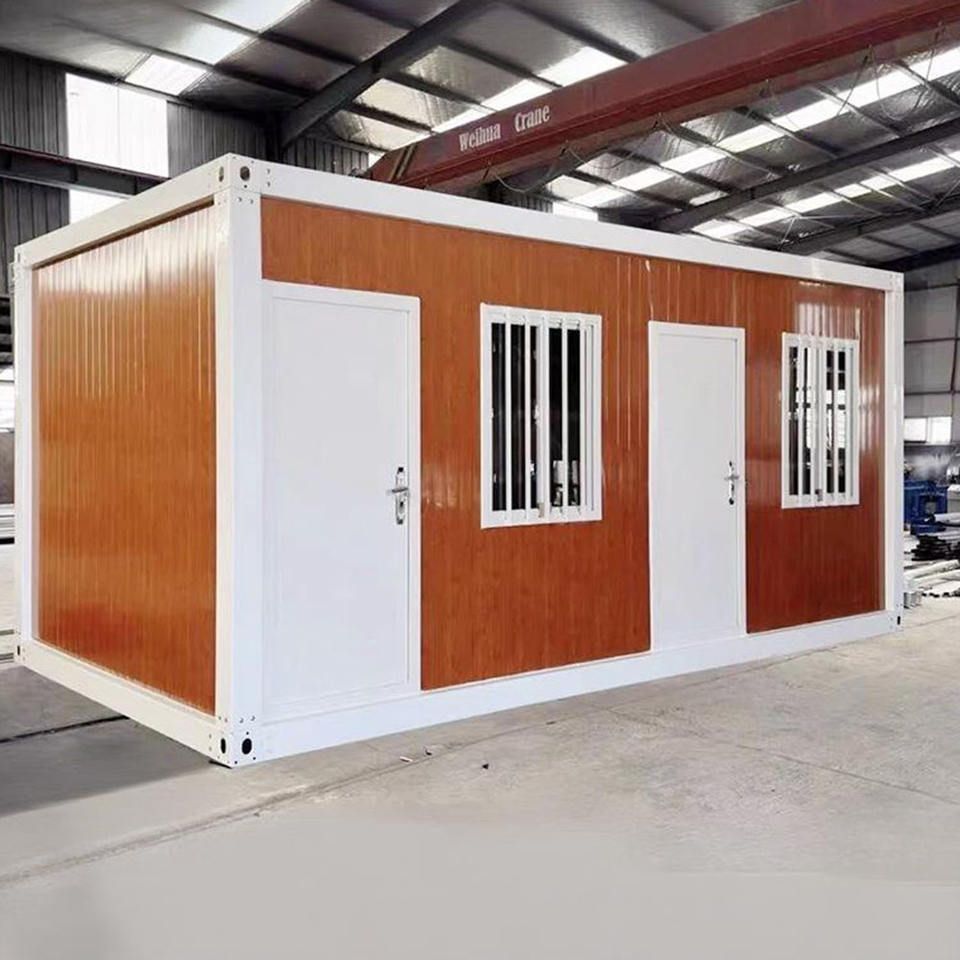
Types and Functions of Ventilation Design
The ventilation design of mobile toilets is mainly divided into two categories: natural ventilation and mechanical ventilation. Natural ventilation relies on the temperature difference or wind pressure difference inside and outside the toilet to achieve air circulation. For example, some lightweight plastic mobile toilets enhance natural convection by optimizing the toilet structure (such as top openings and side wall air vents). Mechanical ventilation, on the other hand, uses exhaust fans, blowers, and other equipment to force air exchange. For instance, the luxury mobile toilets in Dongcheng, Dongguan, are equipped with exhaust fans as standard to quickly expel foul air. These two methods are often used in combination. For example, when renting plastic mobile toilets in Luohe, the exhaust system primarily uses mechanical ventilation while optimizing air circulation efficiency through the “top-down” airflow pattern (top air supply and bottom air exhaust).
Key Points for Exhaust System Layout
The scientific layout of the exhaust system requires attention to the following core aspects:
- Exhaust Vent Location: It should be located away from areas where people are active, preferably installed at the top of the toilet or high on the side wall (height ≥ 1.8 meters) to avoid direct sunlight and rain, preventing odor backflow or equipment damage.
- Ventilation Duct Design: Follow the principle of “short, straight, and smooth” to reduce the number of bends and connections. The duct diameter is recommended to be ≥ 10 centimeters to reduce air resistance. For large toilets used by multiple people, a centralized exhaust main duct can be used, with each branch duct equipped with an air volume control valve to balance the air exchange in each toilet stall.
- Fan Selection and Installation: For a single toilet stall, select an axial fan or centrifugal fan with an air volume of 15-20 cubic meters per minute. For toilets used by multiple people, two fans can be used in parallel. During installation, reserve maintenance space, level the fan body, and install rain-proof louvers and insect screens (for example, when renting outdoor mobile toilets in Xinxiang, choose equipment with an IP54 or higher protection rating to cope with the rainy season).
Odor Control and Auxiliary Measures
In addition to the main exhaust system, mobile toilets often incorporate auxiliary measures to strengthen odor control:
- Physical Adsorption: Install activated carbon filter cotton or photocatalyst filter screens in front of the exhaust fan to adsorb odor molecules (when renting, confirm the filter replacement cycle and prioritize washable materials to reduce costs).
- Chemical Neutralization: Use deodorizing liquid sprays or design an “top-down” pattern when installing exhaust fans to accelerate the expulsion of foul air.
- Biological Protection: In areas with many mosquitoes (such as Xinxiang in summer), install mosquito nets at the air inlets to prevent insects and ants from entering the ducts and breeding bacteria.
Intelligent Monitoring and Emergency Response
In large-scale event scenarios, mobile toilets can be equipped with air quality sensors to automatically activate the exhaust system when the odor concentration exceeds the standard. At the same time, an emergency plan should be formulated, such as preparing backup power interfaces in extreme weather conditions. The rental party should conduct drills in advance for equipment failure handling procedures to ensure the continuous and stable operation of the ventilation system.



