Using the Subway as a Mobile Toilet
The act of using the subway as a mobile toilet does exist, but it is not a widespread phenomenon and is fundamentally different from measures such as setting up portable toilets at subway stations.

Firstly, there are indeed isolated cases where subway cars are used as “mobile toilets”. Reports have shown instances where grandmothers have taken their children to relieve themselves directly in subway cars, and similar events involving mothers and their children. These behaviors usually occur when parents, for various reasons, are unable to take their children to a proper toilet in time and cannot bear the urgency of their children's needs. Although somewhat understandable, these actions are clearly uncivilized and violate public health regulations. Subway cars are public transportation vehicles, and their environment requires collective maintenance. Using the car as a toilet not only affects the travel experience of other passengers but may also pollute the car's hygiene, increasing cleaning difficulty and costs.
Secondly, some describe the Paris subway as having a complex odor, with a top note reminiscent of a public toilet that hasn't been cleaned in a hundred years. This is a description of the Paris subway environment and does not mean that passengers directly use the subway as a toilet. This description more reflects potential issues in the maintenance and management of the Paris subway and is not directly related to passenger behavior.
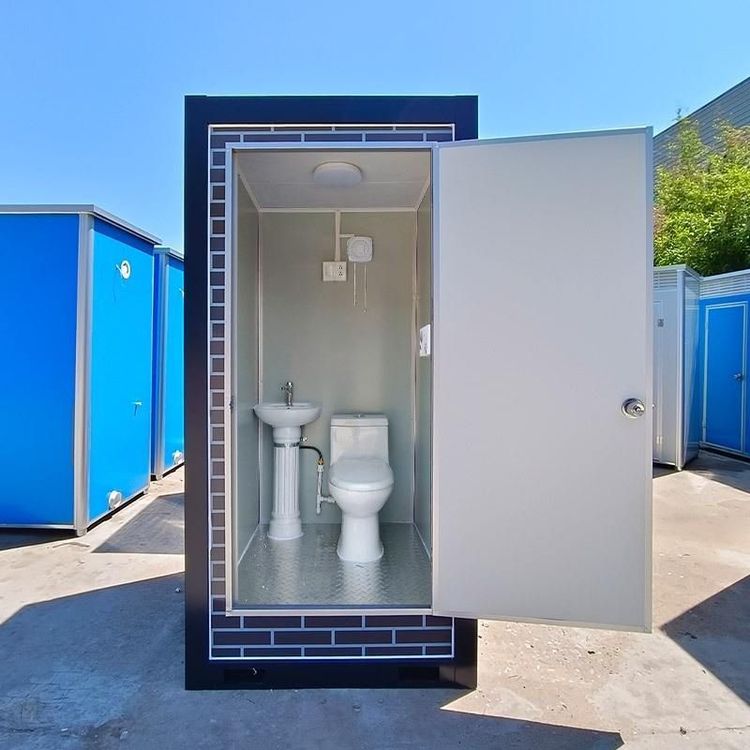
Additionally, to address passengers' toilet needs during their subway journeys, some cities have set up portable toilets inside or around subway stations. These are independently deployed sanitary units designed to provide convenient toilet conditions for passengers, reducing embarrassment and inconvenience caused by urgency. This measure is fundamentally different from using the subway as a toilet; the former actively addresses passenger needs, while the latter is an uncivilized act that violates public regulations.
In conclusion, although the act of using the subway as a mobile toilet does exist, it should be firmly opposed and stopped. At the same time, subway management authorities should also strengthen publicity and education to improve passengers' civic qualities and continuously improve sanitary facilities within subway stations to provide passengers with a more convenient and comfortable travel environment.