
Typhoon Blows Away Portable Toilet
Under typhoon conditions, portable toilets do face the risk of being blown away or overturned, but whether this actually occurs depends on a combination of wind strength, the toilet's design structure, and installation conditions.

Wind Strength is the Core Influencing Factor
Typhoons or extreme high winds (such as those above Force 12) possess immense destructive power, with wind speeds exceeding 32.7 meters per second, which is sufficient to pose a serious threat to lightweight temporary structures. For example, during the tornado in Wenling, Zhejiang on August 10, 2026, although there was no direct mention of portable toilets being blown away, the tornado caused debris to fly and vehicle sunroofs to be damaged, indirectly confirming the destructive force of extreme weather on temporary structures. Additionally, historical cases have shown that simple restrooms have been swept away in strong winds, leaving only the toilet bowls, further demonstrating the ability of high winds to destroy weakly structured facilities.
The Design Structure and Installation Conditions of Public Toilets Determine Their Wind Resistance
The wind resistance of portable toilets is closely related to their design structure. If lightweight materials (such as plastic or thin metal sheets) are used without reinforcement, they are prone to deformation or breakage in strong winds. Furthermore, installation conditions are a crucial protective factor:
- Anchoring Devices: If the toilet is not equipped with sturdy anchors or if the anchoring devices are aged (such as loose bolts or rusted connectors), the portable toilet may shift or overturn under the force of the wind.
- Location Selection: Wind speeds are typically higher in open areas exposed to the wind, around high-rise buildings, or in open spaces. If a portable toilet is placed in such locations, its exposed surface area increases, significantly raising the risk of being blown away.
Protective Measures Can Reduce Risks
Through scientific design and reinforcement measures, the wind resistance of portable toilets can be effectively improved:
- Structural Reinforcement: Adopt wind-resistant designs (such as triangular stable structures), increase material thickness, or use high-strength composite materials.
- Anchoring Enhancement: Use deeply buried anchors, install wind-resistant guy wires, or add concrete counterweights to ensure a firm connection between the facility and the ground.
- Location Optimization: Avoid open areas and choose sheltered locations or rely on buildings for shielding to reduce direct exposure to the wind.
Conclusion: The safety of portable toilets under typhoon conditions cannot be generalized. In strong winds (such as those above Force 12) and without protective measures, the risk of being blown away or overturned is high; however, if the design is reasonable, the installation is secure, and the location is appropriate, such risks can be significantly reduced. Therefore, a comprehensive assessment of safety must be based on specific wind levels and protective conditions.
You may also like

Portable Toilet for Energy Efficiency Solutions: A Buying Guide
Read More
Container House Custom Explained: How to Choose the Right One
Read More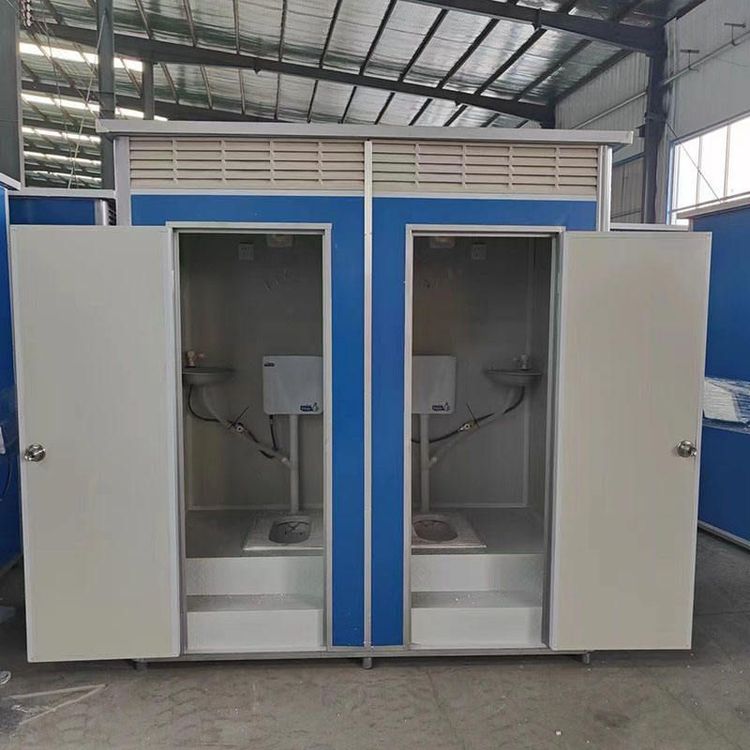
Portable Toilet Design Custom & OEM: Design & Bulk Production Guide
Read More