
Tongcheng Construction Site Portable Toilet
The general characteristics of portable toilets for construction sites in Tongcheng can be illustrated from the following aspects. Specific models need to be further inquired about in the local market:
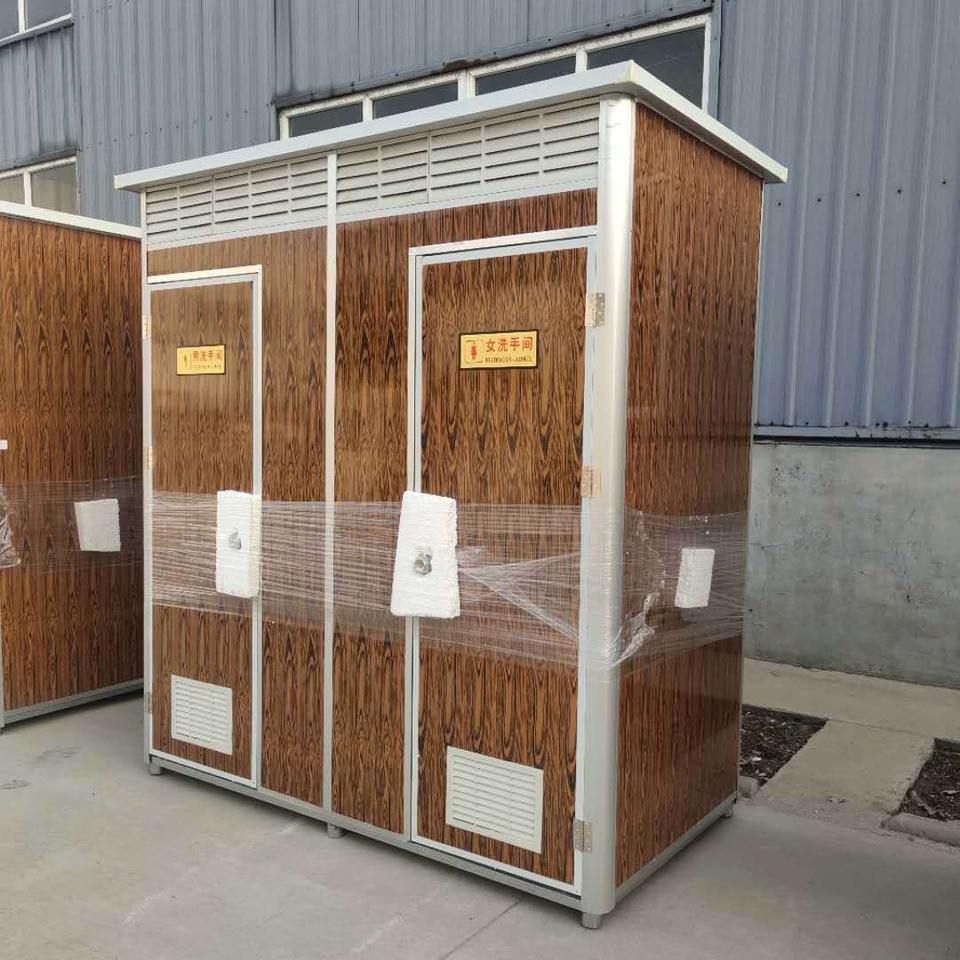
1. Types and Functions Suitable for Construction Site Needs Portable toilets for construction sites are generally divided into three types: traditional, water-saving, and environmentally friendly. Traditional types have plastic or metal shells, equipped with basic toilets and sewage storage tanks. They have a simple structure and low cost, making them suitable for short-term or small construction sites. Water-saving types reduce water consumption through a circulating water system, such as using reclaimed water for flushing, which can lower water resource consumption. They are suitable for water-scarce areas or construction sites with high environmental protection requirements. Environmentally friendly types adopt biodegradation technology, using microorganisms to decompose feces, eliminating the need for frequent cleaning of sewage storage tanks and emitting no odors. They conform to the concept of sustainable development but have relatively high costs.
2. Structure and Composition Ensure User Convenience The outer shells are mostly made of polyethylene or steel plates, which are lightweight, corrosion-resistant, and impact-resistant, facilitating transportation and repeated use. Internally, they are equipped with toilets (squat or sit types), sewage storage tanks (with capacities selected according to the number of users, usually 200-500 liters), ventilation systems (natural ventilation or small exhaust fans), and simple hand-washing facilities. Some high-end models are also equipped with lighting, non-slip floors, and odor-proof sealing devices to enhance the user experience.
3. Installation and Maintenance Require Standardized Operations When installing, choose a flat and dry ground, away from dangerous construction areas (such as areas with falling objects or heavy machinery operations), and ensure that the ventilation openings are not blocked. Maintenance focuses include: regularly cleaning the sewage storage tanks (it is recommended to clean them every 1-3 days to avoid overflow), checking for damage to the outer shell and internal facilities (such as cracks or blockages), and keeping the ventilation system unobstructed (cleaning dust from the exhaust vents). Some construction sites outsource maintenance work to professional service companies, ensuring hygiene conditions through regular inspections and disinfection.
4. Hygiene and Environmental Protection Measures Reduce Pollution Risks Regularly cleaning toilet surfaces (such as toilets and door handles) with chlorine-containing disinfectants can effectively kill bacteria and prevent disease transmission. Water-saving designs reduce sewage discharge by reducing water consumption, while biodegradation technology transforms waste into harmless substances (such as carbon dioxide and water), reducing pollution to soil and water sources. In addition, some environmentally friendly toilets are equipped with solar power supply systems to further reduce energy consumption.
5. Cost Reference Should Be Combined with Budget and Needs The monthly rental cost of ordinary models is approximately 300-800 yuan, while high-end environmentally friendly models may exceed 1,500 yuan per month. If purchasing, the price of basic models is about 2,000-5,000 yuan, and high-end models can reach over 10,000 yuan. Decisions on leasing or purchasing should comprehensively consider the construction site's duration, usage frequency, and budget constraints.



