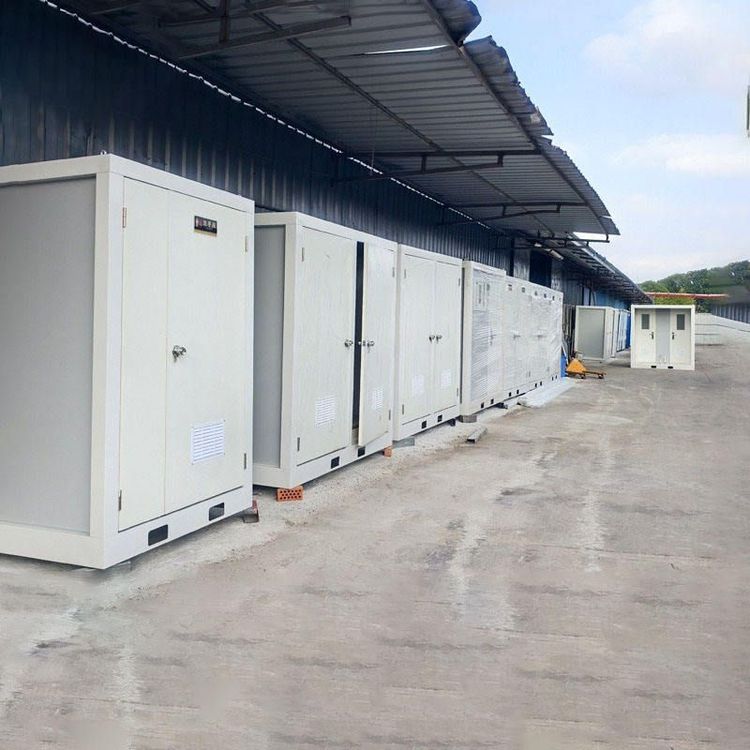
Installation of Mobile Toilets in Tibetan Scenic Areas
The installation of mobile toilets in Tibetan scenic areas requires strict control across multiple aspects, including materials, foundations, assembly, adaptive modifications, quality control, and commissioning, taking into account the unique high-altitude environment. The specific key points are as follows:
Material Selection Must Adapt to High-Altitude Climate
The high altitude features strong ultraviolet radiation and significant temperature differences between day and night, so materials must possess anti-aging and thermal insulation properties. The surface coating of color steel plates should include anti-ultraviolet components to prevent coating peeling due to prolonged exposure to sunlight. The interior should be filled with polyurethane or rock wool insulation layers to ensure stable internal toilet temperatures in low-temperature environments. Structural connectors should be made of galvanized or stainless steel to prevent metal oxidation and corrosion, extending service life.Foundation Treatment Must Address Permafrost Effects
Tibet has active permafrost layers, and freeze-thaw cycles can easily cause ground deformation. Foundations should use concrete independent foundations or steel frame elevated foundations. The former disperses pressure through rigid structures, while the latter reduces direct contact with permafrost through elevated design, lowering deformation risks. Before installation, soil permeability tests should be conducted to ensure the site does not contaminate groundwater sources, while the bottom should adopt an elevated design to minimize interference with the permafrost layer's thermal balance.Modular Assembly Ensures Structural Sealing
The main frame is connected by prefabricated steel keel components using high-strength bolts, with wall and roof panels employing hidden snap-fit systems. Joints are filled with specialized sealing strips to prevent sand intrusion. Indoor functional modules (such as squat toilets, water-saving flushing systems, and ventilation ducts) use standardized interfaces for quick integrated installation, ensuring tight connections between components to prevent air or water leaks.High-Altitude Adaptive Modifications Enhance Functional Reliability
The ventilation system should be equipped with bidirectional air exchange devices to ensure air circulation. Water supply and drainage pipes should be fitted with electric tracing tapes to prevent freezing at low temperatures. The power system should adopt an off-grid power supply solution combining solar photovoltaic panels and battery packs to suit scenic areas without grid coverage. The roof should be designed as a sloped structure to facilitate snow and rain runoff while providing the optimal installation angle for solar panels. Windows and doors should meet sand-proof sealing standards, with hinge mechanisms featuring anti-loosening features to prevent damage from strong winds.Installation Quality Control Ensures Long-Term Stable Operation
Foundation flatness should be detected using a laser level, with an allowable error of no more than 3 millimeters. Structural verticality should be double-checked with a plumb line to ensure overall stability. All bolt connections should be tightened using a torque wrench to preset torque values to prevent loosening. Waterproof testing should employ a segmented water injection method to conduct independent pressure tests on drainage interfaces. Insulation resistance testing should ensure electrical wiring meets safety standards to prevent electric leakage or short circuits.Functional Commissioning Ensures User Experience
The flush valve response time should be adjusted to 0.5-1 second for quick flushing. The negative pressure ventilation system should achieve an air exchange efficiency of more than 15 times per hour to maintain fresh air. The temperature control system should undergo 48-hour continuous operation testing under simulated day-night temperature differences, with all parameters recorded to form a traceable technical data chain for subsequent maintenance reference.