Installation of Mobile Toilets in Tibetan Parks
The installation of mobile toilets in Tibetan parks requires consideration of geographical, climatic, and ecological requirements, achieving efficient operation through modular design, special foundation treatment, insulated pipelines, solar power supply, and ecological adaptation measures.

Material and Structural Design
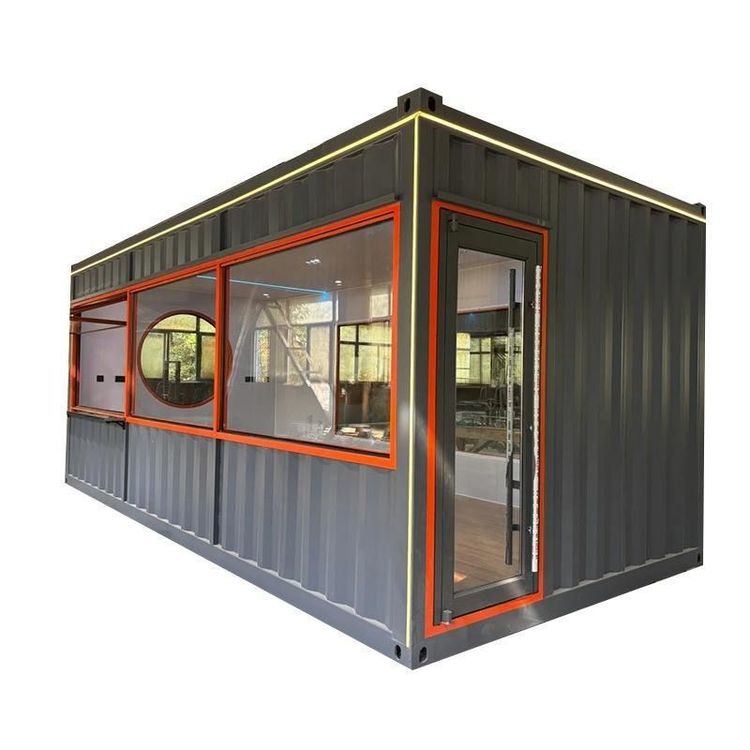
The main body of the mobile toilet adopts a modular structure, primarily composed of colored coated steel sheets and light steel keels, featuring UV resistance and low-temperature resistance to adapt to the strong radiation and low-temperature environment of the plateau. Modular design facilitates disassembly and transportation, reducing land disturbance during on-site construction. Structural connection points use bolt fastening to avoid thermal processing methods such as welding, further minimizing damage to fragile surfaces.
Foundation Treatment
Foundation treatment is divided into two categories based on permafrost distribution:
- Permafrost areas: Utilize shallow foundations combined with thermal insulation layers, using thermal insulation materials to block heat exchange between the permafrost and the structure, preventing structural deformation caused by freeze-thaw cycles.
- Non-permafrost areas: Employ prefabricated concrete block foundations to avoid large-scale earth excavation and reduce direct ecological disturbance.
All foundations adopt a bottom elevated design, maintaining an air isolation layer of at least 15 centimeters between the building and the ground surface, reducing the impact on the thermal balance of the permafrost layer and protecting the plateau permafrost ecosystem.
Pipeline and Insulation
- Sewage pipelines: Covered with insulation layers to prevent pipeline freezing and blockage caused by low winter temperatures.
- Pipeline connections: Use flexible materials to adapt to environments with diurnal temperature variations exceeding 20°C, avoiding pipeline damage due to thermal expansion and contraction.
- Quick connectors: Design standardized connectors for easy temporary connection to water supply and sewage systems, improving installation efficiency.
Energy Supply
Relying on the abundant sunlight conditions of the plateau, equipped with solar photovoltaic panels and battery packs to achieve energy self-sufficiency. The solar system requires wind and sand resistance design to ensure stable operation in strong wind and dusty environments.
Environmental Protection and Ecological Adaptation
- Site selection requirements: Avoid wildlife migration paths and buffer zones around water sources to minimize interference with ecosystems.
- Appearance color: Choose dark tones or colors that harmonize with the landscape to reduce visual abruptness and blend into the natural environment.
- Waste treatment: Adopt a combination of biodegradation and sealed storage, using dedicated sealed containers for transportation to avoid secondary pollution.
Special Environmental Adaptation
- Low-pressure environments: Biodegradation units are equipped with pressure regulation devices to maintain microbial activity efficiency and ensure normal degradation function.
- Winter operation: The insulation layer of storage units is thickened to twice that of low-altitude areas to prevent excretion from freezing.
- Waterless mode: When water supply pipelines are prone to freezing in winter, switch to biodegradable materials covering excretion to reduce water resource dependency.
Maintenance and Management
- Cleaning process: Solid storage areas are cleaned once a month, and liquid storage areas are disinfected weekly, using highly biodegradable cleaning agents to reduce chemical pollution.
- Maintenance training: Personnel must receive specialized plateau operation training, mastering rapid fault diagnosis and repair methods to ensure long-term stable operation of the equipment.