Container House Rental: Top Options & Considerations
When renting container houses, it is essential to comprehensively consider factors such as cost, functionality, compliance, and sustainability. Here are the key choices and considerations:

I. Core Advantages Driving Rental Demand
Container houses have become a popular choice due to their cost-effectiveness (priced at a fraction of traditional housing), rapid deployment (10-15 days for delivery), modular expandability (supporting flexible combinations), and environmental friendliness (reducing carbon emissions through reused steel). Their applications are diverse, including temporary residences, mobile shops, cafes, Airbnb listings, and project site offices.
II. Product Types and Customization Services
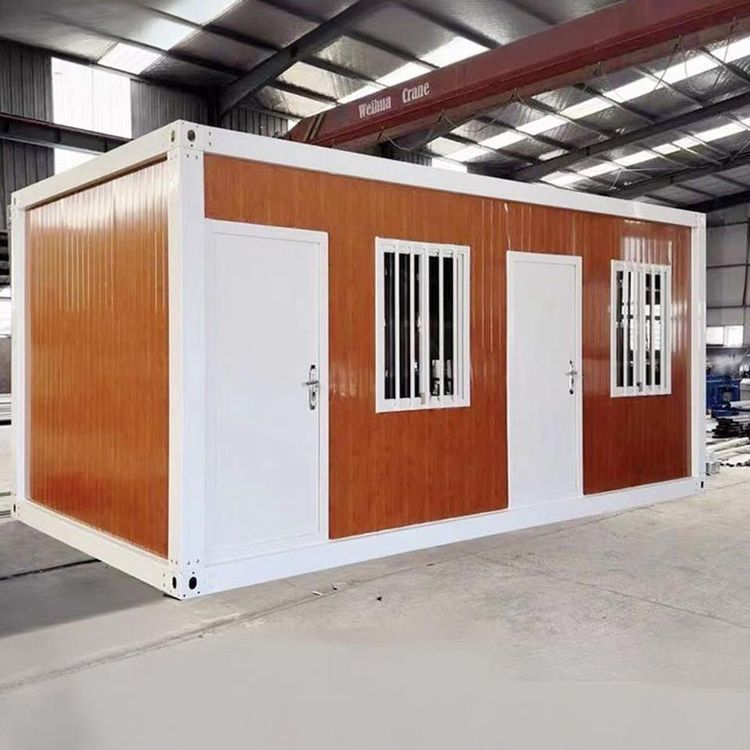
- Basic Models: Standard 20-foot/40-foot containers with earthquake resistance, moisture proofing, thermal insulation, and waterproofing, suitable for basic living or storage needs.
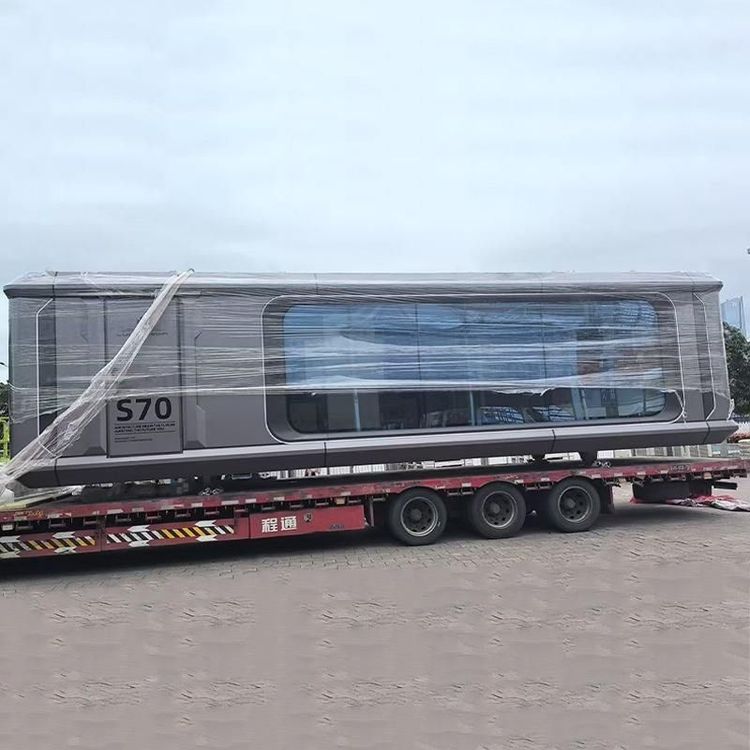
- Premium Options: Such as "luxury creative container houses" that can be configured for mobile malls or cafes, with lower unit prices for bulk rentals (1-4 units at $900/unit, 5+ units at $600/unit).
- Special Designs: Foldable, detachable, flat-pack, and expandable containers tailored for construction site accommodations, temporary shelters, etc.
- Customization Services: Support personalized configurations in size, color, materials (e.g., galvanized steel frame + sandwich panels), and international certifications (ISO9001) to meet diverse needs.
III. Supplier Selection Criteria
- Production Capacity: Prioritize suppliers with large-scale production bases (e.g., an 80,000-square-meter factory in Zhengzhou, China) and full-chain services (design, production, construction) to ensure delivery efficiency.
- Quality Assurance: Verify that products meet international standards (e.g., wind and snow load resistance designs) and are supported by professional teams for climate adaptability adjustments (e.g., optimizations for high-temperature or cold regions).
- Service Scope: Check if suppliers offer one-stop solutions, including ocean freight-standard packaging, after-sales maintenance, and emergency project support, to reduce long-term costs.
IV. Key Rental Considerations
- Cost Structure: Beyond base rent, evaluate transportation, installation, dismantling, and long-term maintenance costs. Bulk rentals can lower unit prices.
- Compliance: Ensure the house meets local building codes (e.g., earthquake and fire resistance requirements). Commercial use may require additional permits.
- Flexibility: Choose modular designs to accommodate future functional changes (e.g., converting from living to office space) and extend the usage lifecycle.
- Sustainability: Prioritize reused steel and eco-friendly materials to minimize environmental impact, aligning with green building trends.
V. Typical Application Scenarios
- Emergency Housing: Rapid deployment of foldable refugee shelters after natural disasters.
- Commercial Operations: Mobile shops, pop-up retail spaces, or cafes.
- Short-Term Rentals: Airbnb listings in tourist destinations or temporary project site offices.
Recommendation: Contact professional suppliers (e.g., Henan Jinming Metal&Material Group) based on your budget, usage duration, and location to obtain customized solutions that balance cost and functionality.