Tibet Container House Standard
The Tibet container house standard mainly covers four core dimensions: structural specifications, thermal insulation, decoration configuration, and compliance certification.

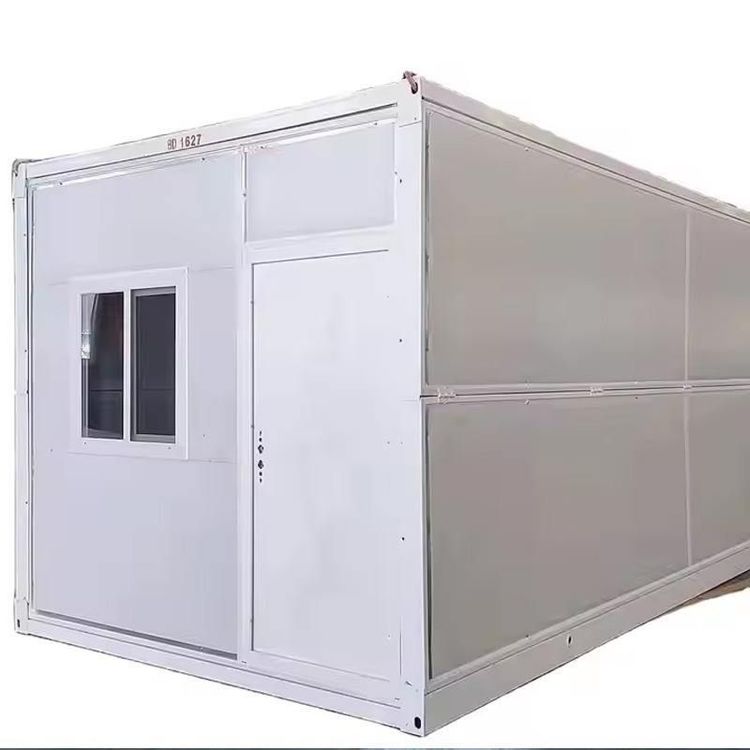
In terms of structural specifications, Tibet container houses are based on standard 20-foot or 40-foot container sizes, with strict requirements for steel thickness. The side panel thickness ranges from 1.6 to 2.0 mm, the roof panel thickness is over 1.2 mm, and the frame structure must undergo professional calculations to ensure wind resistance, earthquake resistance, and stacking load-bearing capacity. For example, in high wind pressure and earthquake-prone areas like Lhasa, the frame structure strength must meet seismic fortification intensity requirements of over 8 degrees to cope with the complex geological conditions of the plateau.
Thermal insulation performance is a key indicator for Tibet container houses. Due to the large temperature differences between day and night and strong ultraviolet radiation in Tibet, the houses need to use high-efficiency thermal insulation materials such as rock wool or glass wool, with thicknesses typically ranging from 75 mm to 150 mm. Some products are filled with polyurethane, with a thermal conductivity (K value) of less than 0.3 W/(㎡·K) and a fire resistance limit of over 1 hour, ensuring a stable indoor thermal environment. For example, in the humid environment of Motuo, where the average annual rainfall is 2300 mm, the container body needs to use IPX8-rated waterproof color steel, achieving zero rainwater leakage through concave-convex interlocking structures, double drainage trough designs, and externally protruding deflector cover plates.
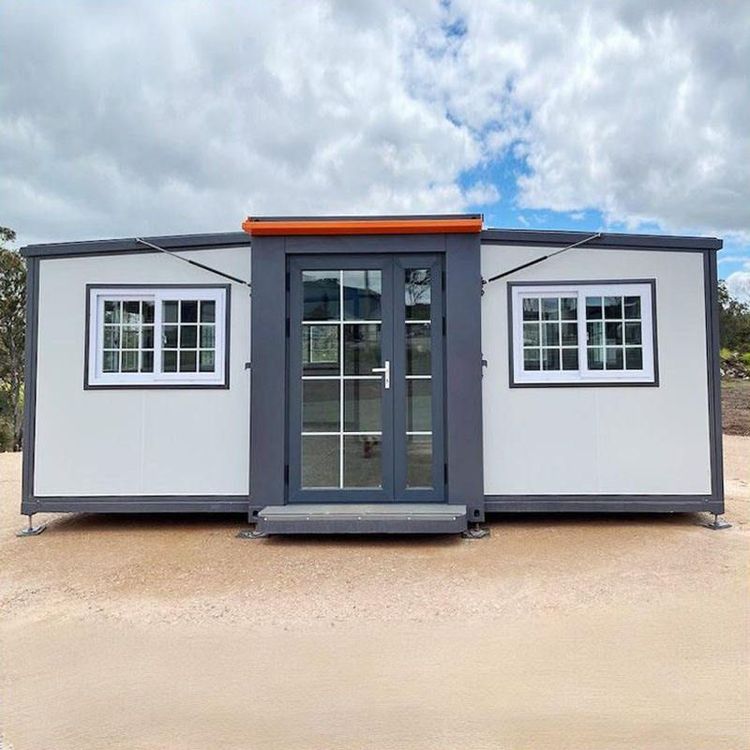
Decoration configuration needs to balance functionality and safety. Interior decoration materials must use Class A non-combustible materials such as fireproof boards and calcium silicate boards. Electrical wiring should use national standard cables and distribution boxes, and doors and windows should be equipped with broken bridge aluminum and insulated glass to improve sound insulation and thermal insulation performance. For example, in camp projects in high-altitude and cold regions, the houses need to be equipped with intelligent temperature control systems to ensure that the indoor temperature difference is controlled within 5℃ in an environment of -20℃.
Compliance certification is a fundamental requirement for Tibet container houses. All products need to pass CSC Container Safety Convention certification (for second-hand containers), building module factory inspection reports, and steel structure construction qualification reviews to ensure compliance with industry standards such as the Technical Specification for Container Modular Combined Houses (CECS 334:2013). For example, in the Motuo project, the houses need to pass temporary building approvals and geological hazard assessments in Tibet to meet the stringent environmental requirements of the plateau.