Top Portable Toilet Picture Manufacturers: How to Choose a Factory Partner
When selecting top portable toilet picture manufacturers as factory partners, it is essential to comprehensively evaluate factors such as product design and functionality, materials and durability, scenario adaptability, certification and compliance, customization capabilities, pricing and bulk procurement costs, and industry reputation.

1. Product Design and Functionality
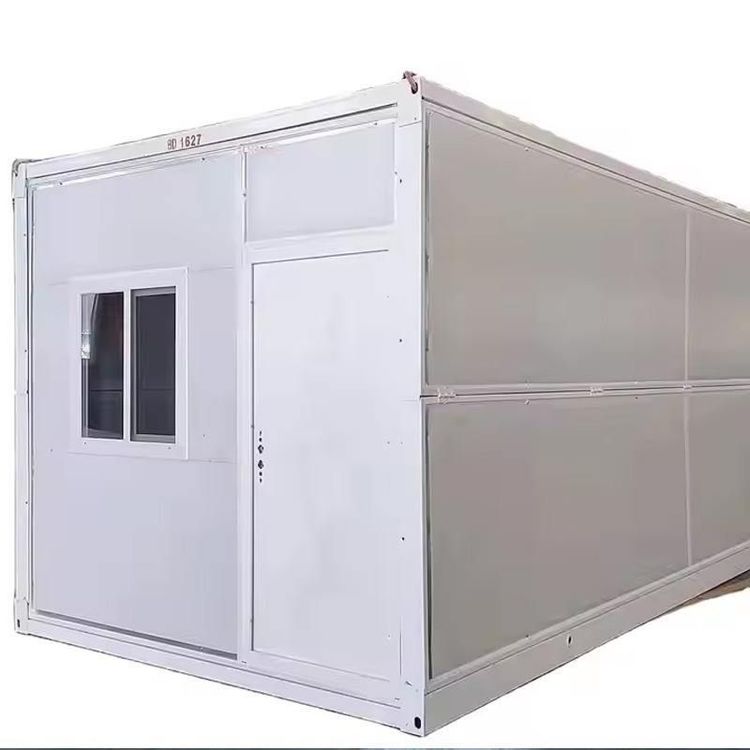
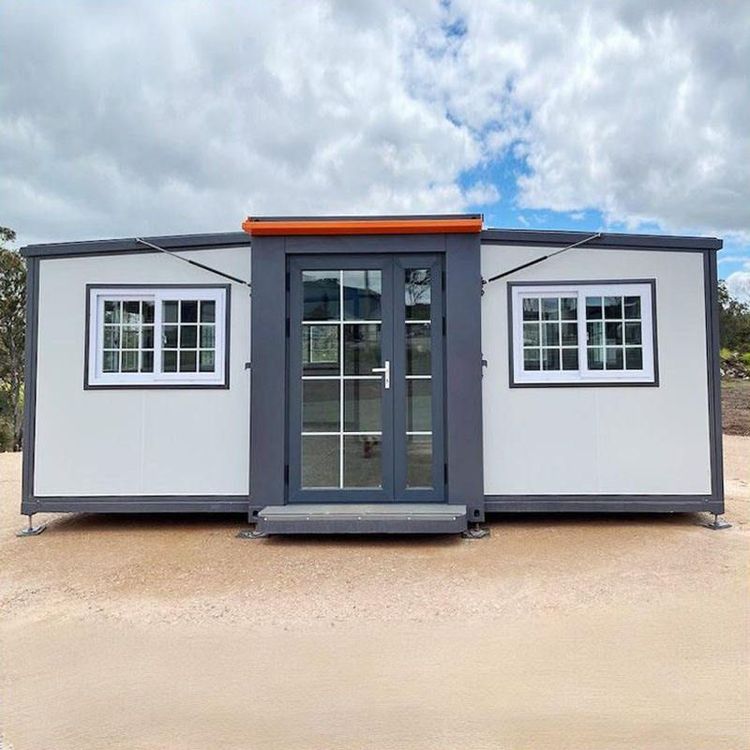
Prioritize manufacturers with modular design capabilities. For example, Suihe Factory's portable toilets feature modular structures that support rapid assembly and disassembly, making them suitable for temporary or flexible scenarios. Modular design reduces transportation and deployment costs while meeting urgent needs. Additionally, products should balance structural strength with lightweight construction, such as combining steel frames with durable sandwich panels to ensure stability and ease of handling.
2. Materials and Durability
Material standards directly impact product lifespan. Choose manufacturers that use steel frames, sandwich panels (including plastic), and tempered glass doors to ensure stability in wind, water, earthquake, and corrosive environments. Some manufacturers emphasize compliance with international quality and environmental standards, such as using stainless steel and customized wastewater treatment solutions to further extend service life and reduce maintenance costs.
3. Scenario Adaptability
Select scenario-specific solutions based on requirements. For instance, Suihe Factory's products are suitable for public places, construction sites, and remote work areas, while other manufacturers offer economy, luxury, or custom-sized portable toilets for scenic spots, parks, and stations. Clearly defining usage scenarios avoids functional redundancy or deficiency.
4. Certification and Compliance
Verify whether manufacturers have passed safety certifications, such as industry safety standards for tempered glass and durable structures. Some manufacturers explicitly label their products as “eco-friendly, durable, and easy to install” and comply with international quality norms like ISO or CE certifications, reducing partnership risks.
5. Customization Capabilities
Manufacturers that support internal customization (e.g., adding storage space or power outlets) and external customization (e.g., size, exterior walls) offer greater flexibility. For example, some manufacturers provide personalized options like corrosion-resistant wood or eco-friendly materials to meet brand differentiation needs.
6. Pricing and Bulk Procurement
Compare pricing structures across manufacturers. For example, one manufacturer quotes $385 per unit for orders of 1-9 sets and $365 per unit for orders of 10+ sets, demonstrating significant cost savings through bulk procurement. Choose the optimal plan based on budget and long-term needs.
7. Industry Reputation and Experience
Reference manufacturers' industry standing, such as those described as “leading portable toilet manufacturers” or “having a long manufacturing history,” as they typically offer more reliable products and services. Validate their capabilities through case studies or customer reviews.