Back to blog
Article
Top Portable Toilet for Commercial Use: A 2026 Guide
Admin November 13, 2026
The recommended choice of portable toilets for commercial use in 2026 should be determined based on specific scenarios and needs. Below are the core recommendations and technical trend analyses for different scenarios:

I. Core Products Classified by Industry Scenarios
Construction and Mining Scenarios
- Mining-Specific Portable Toilets: Designed for the complex terrain of mines, featuring explosion-proof, dust-proof, and impact-resistant properties. They utilize high-capacity fecal storage tanks and quick-clearance interfaces, supporting long-term use in off-grid environments. Some models integrate solar power systems to meet energy needs in remote mining areas.
- General-Purpose Construction Site Toilets: Focused on high durability, with shells made of corrosion-resistant alloy materials and interiors equipped with anti-slip floors and enhanced ventilation systems, suitable for open-air work environments. Some products support modular assembly, allowing for rapid expansion into temporary toilet clusters.
Event Planning Scenarios
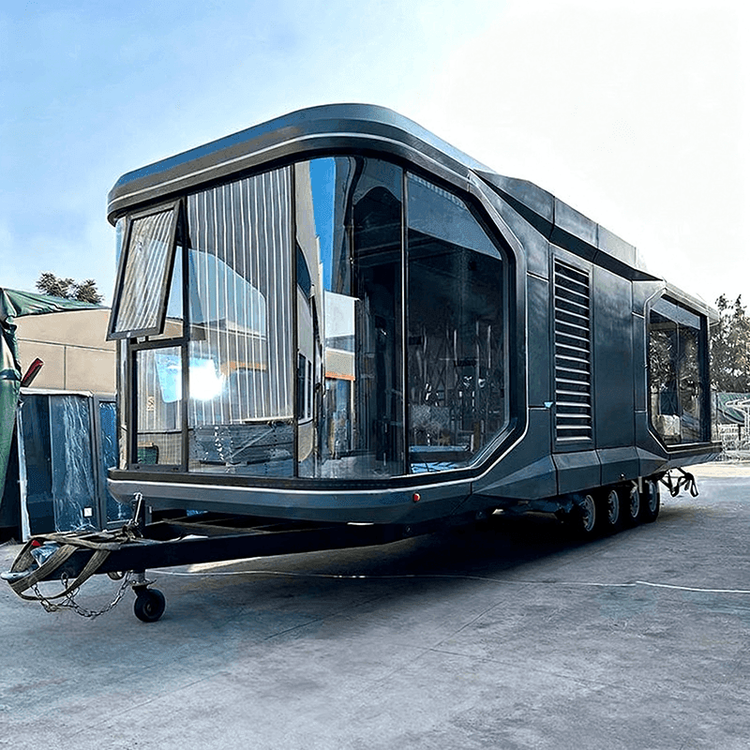
- Trailer-Mounted Portable Toilets: Integrated with indoor restroom-level facilities (such as ceramic toilets, sinks, and air conditioning), enabling rapid deployment through hydraulic lifting systems, with single deployment times shortened to within 15 minutes. Some premium models are equipped with intelligent monitoring systems to provide real-time feedback on usage status and maintenance needs.
- Quick-Deploy Independent Units: Featuring a foldable design, reducing transport volume by 50% and enabling immediate use upon deployment, suitable for temporary music festivals, sports events, and other scenarios. Their low-maintenance design (such as waterless flushing and self-sealing garbage bags) reduces labor costs.
Urban Innovation and Environmental Protection Scenarios
- Composting Portable Toilets: Utilizing microbial decomposition technology to convert feces into organic fertilizer, achieving zero sewage discharge, meeting the needs of sustainable urban construction. Their compact design (footprint < 2㎡) and low-odor control technology make them suitable for high-density communities, parks, and other space-constrained areas.
- Water-Saving Units: Employing vacuum suction technology, reducing single-flush water consumption to below 0.5L, and incorporating recirculating water filtration systems to reduce water usage by 90%, suitable for arid regions or water-sensitive areas.
II. 2026 Technical Trends and Purchase Recommendations
- Environmental Technology Upgrades: Biodegradable additives and photocatalytic deodorization technology have become standard, reducing odor emissions by over 80% and extending maintenance cycles.
- Intelligent Management: Some products integrate IoT sensors for remote monitoring of usage frequency, fecal storage levels, and equipment status, optimizing maintenance plans.
- Regional Customization: Retailers offer differentiated products based on climate and regulations (such as heated seats for cold regions and mosquito-proof designs for tropical regions). When purchasing, prioritize confirming local compliance.
Purchase Recommendations: Prioritize needs based on usage scenarios (such as cost, deployment speed, and environmental friendliness). Prefer products certified by ISO 3095 (noise control) and EN 16194 (hygiene and safety) to ensure long-term stability in use.
Related