
Tianyi Square Portable Toilet
Currently, no specific detailed information on the portable toilets at Tianyi Square has been found, but their possible application scenarios and functional designs can be inferred based on the general characteristics of portable toilets. As temporary public sanitation facilities, portable toilets are typically composed of modules such as fecal sewage storage tanks (or disposal units), floor slabs, sanitary ware, walls, washing equipment, water tanks, roofs, and mobile devices. They are movable, combinable, and easy to transport, making them suitable for public places with high passenger traffic, limited space, or the need for flexible allocation. The following analysis is conducted from the perspectives of functional adaptability and scenario application:

I. Functional Adaptability: Meeting the Needs of High-Traffic Scenarios
As a bustling commercial district, Tianyi Square experiences dense daily foot traffic, with a significant surge during holidays or promotional events. Traditional fixed public toilets may lead to queuing due to limited capacity. Portable toilets can quickly add toilet stalls through modular design, such as increasing independent squatting or sitting units, to alleviate the pressure on toilet use. Their fecal sewage storage tanks can be equipped with large-capacity designs to reduce the frequency of cleaning. Some high-end models also adopt biodegradation technology to convert excrement into harmless substances, reducing dependence on the municipal sewage system and meeting the environmental protection requirements of commercial areas.
II. Scenario Application: Flexible Deployment and Space Optimization
The mobile devices of portable toilets (such as wheeled chassis or towing structures) enable them to dynamically adjust their positions according to passenger flow distribution. For example, they can be deployed around the central activity area, catering concentration area, or temporary exhibition area of the square to shorten the distance for tourists to use the toilets. In addition, their walls and roofs can be made of lightweight materials, ensuring structural stability while reducing the requirements for ground bearing capacity, avoiding damage to the floor tiles or green belts in the commercial area. Some models also integrate lighting and ventilation systems to enhance user comfort and adapt to the needs of nighttime operations or enclosed spaces.
III. Management Advantages: Rapid Response and Convenient Maintenance
The assembly and disassembly of portable toilets can usually be completed within a few hours, facilitating responses to sudden passenger surges or temporary events. For example, when the square hosts large-scale performances, additional portable toilets can be set up in advance and quickly removed after the event to restore the original appearance of the venue. In terms of daily maintenance, the overflow warning function of the storage tanks can remind staff to clear them in a timely manner, preventing odor diffusion. The detachable design of sanitary ware also facilitates regular deep cleaning to ensure hygiene standards.
It should be noted that the specific configurations (such as the number of toilet stalls and technical types) need to be comprehensively determined based on the actual management needs, site conditions, and budget of Tianyi Square. For further information on the procurement channels or technical parameters of its portable toilets, it is recommended to contact the local municipal sanitation department or commercial management for specialized information.
You may also like

Portable Toilet for Energy Efficiency Solutions: A Buying Guide
Read More
Container House Custom Explained: How to Choose the Right One
Read More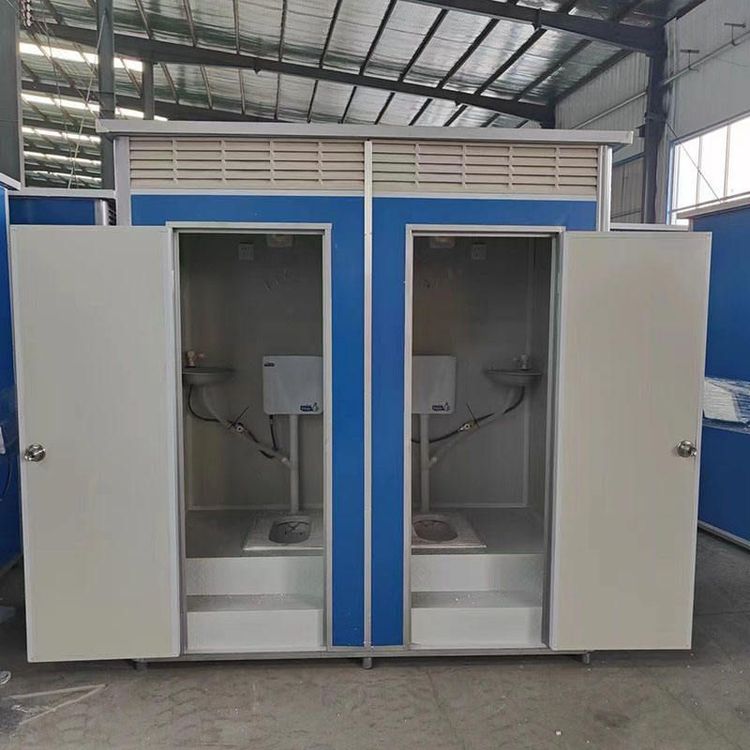
Portable Toilet Design Custom & OEM: Design & Bulk Production Guide
Read More