Building a House with Three Containers
It is feasible to build a house using three containers, and there are already practical cases and professional design techniques available for reference.

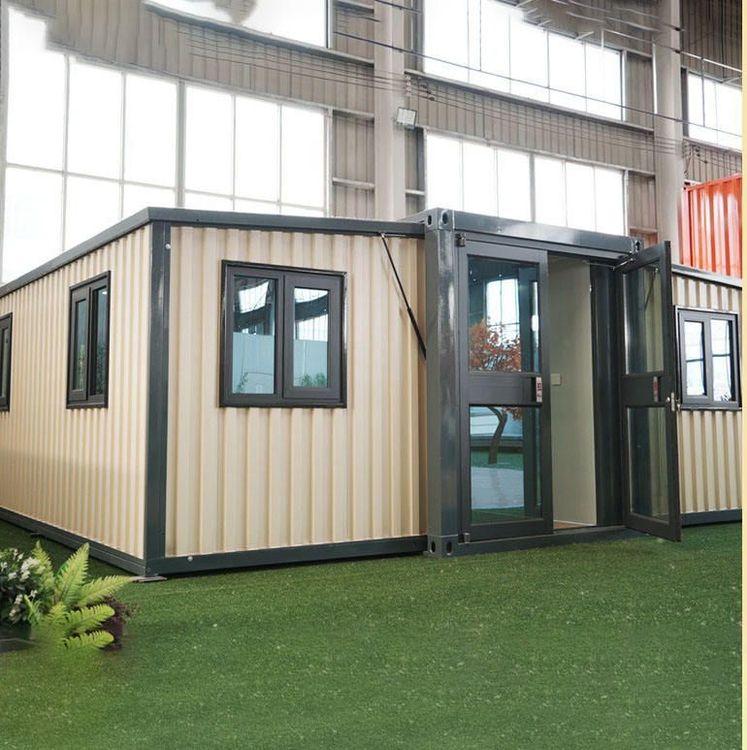
From practical cases, someone purchased three abandoned containers that had been unused for over ten years to escape the hustle and bustle of the city, and spent two and a half years renovating them into their dream home. The construction process typically begins with regional planning, clarifying the locations of various functional areas of the house, such as bedrooms, living rooms, and kitchens. Next, the required materials are collected, including materials for building the foundation and modifying the doors and windows of the containers. Then, the foundation is built to provide stable support for the containers. After the containers are delivered, if they are rusty inside, they need to be painted with anti-rust paint using a paint sprayer. After the paint dries, internal modifications can begin, such as selecting one container as a bedroom and installing purchased doors.
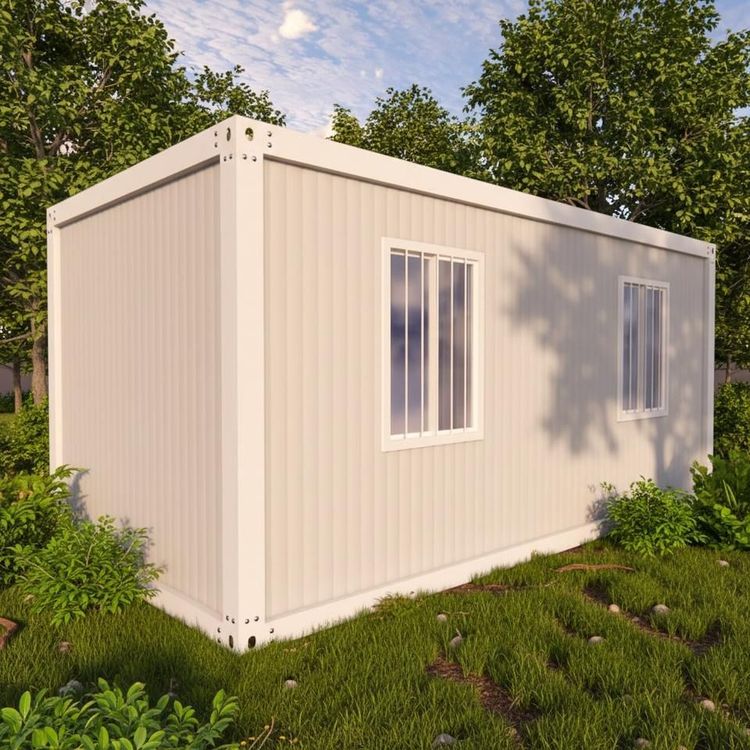
In terms of professional design techniques, there are many innovations in the field of container mobile homes. Container Body Structure: High-strength weathering steel is used as the main frame of the container body, forming a self-balancing system through rigid connections between corner fittings and side beams. This design not only ensures structural stability but also reduces material usage and costs. Enclosure Structure: A three-layer composite structure of "rock wool - air layer - galvanized aluminum sheet" is used. Rock wool has good thermal insulation properties, the air layer can further block heat transfer, and the galvanized aluminum sheet provides protection. The combination of these three layers effectively reduces the heat transfer coefficient, minimizes condensation risks, and improves the comfort of the house. Connection Nodes: A dual-fixing mode of "wedge lock + high-strength bolt" is introduced to enhance the seismic adaptability of the structure, making the house safer in the face of natural disasters such as earthquakes. Coating System: A combination of "epoxy zinc-rich primer + polyurethane topcoat" is used. The epoxy zinc-rich primer provides good anti-rust properties, while the polyurethane topcoat is weather-resistant and wear-resistant, extending the service life of the containers. In addition, a material recycling path for waste containers has been planned, aligning with sustainable development principles.