
Back to blog
Article
House Steel in 2026: Buying Guide & Recommendations
Admin November 12, 2026
House Steel Buying Guide for 2026: Prioritize Container Houses or Steel-Structured Modular Homes, Making Decisions Based on Sustainability and Policy Orientation

I. Core Types and Characteristics of House Steel
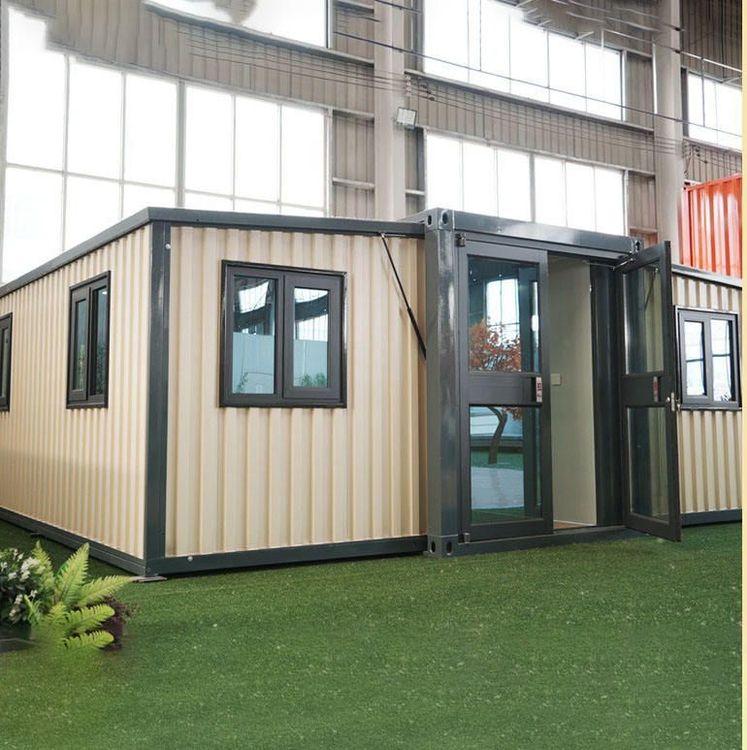
Container Houses
- Economy and Sustainability: Using recycled steel shipping containers as the main structural components, the cost is only 30%-50% of that of traditional houses, and it reduces construction waste emissions, aligning with global carbon neutrality goals.
- Modular Design: Supports rapid assembly and expansion. For example, multi-story living spaces can be achieved by stacking containers, adapting to scenarios such as remote work and mobile living.
- Structural Features: Utilizes industrial-grade shipping containers or prefabricated modules, combined with high-efficiency thermal insulation materials (such as rock wool sandwich panels), balancing durability and energy efficiency.
Steel-Structured Modular Homes
- Customization and High Strength: The main frame uses Q355/Q235 hot-dip galvanized H-beams, with strong corrosion resistance and a lifespan of over 50 years. Door and window frames, roofing materials (such as PU/EPS sandwich panels) can be adjusted as needed.
- Multi-functional Applications: Suitable for industrial workshops, warehouses, hotels, etc. Supports single-story or multi-story buildings and can be equipped with facilities such as cranes and skylights, with load options ranging from 5T to 30T.
II. Policy and Market Drivers
- Government Support: Countries like the UK have identified steel as a core material for clean energy and advanced manufacturing. Through large-scale housing construction (such as the goal of 1.5 million homes), they drive demand for industrialized construction, providing policy benefits for steel procurement.
- Consumer Trends: Global consumers prefer durable and environmentally friendly steel products. For example, steel bed frames have an annual demand growth rate of over 15% due to their easy assembly and flexible styles.
III. Buying Recommendations
Clarify Purpose:
- For residential needs, prioritize container houses, leveraging their low cost and modular advantages.
- For industrial or commercial scenarios (such as warehouses and hotels), recommend steel-structured modular homes to meet high load and customization requirements.
Focus on Sustainability:
- Prioritize suppliers of recycled steel products or those using low-emission production processes (such as electric arc furnace steelmaking) to reduce carbon footprints.
Evaluate Expandability:
- Modular design can reduce future renovation costs. For example, container houses can expand living spaces by adding units, and steel-structured homes can reserve load interfaces to support equipment upgrades.
Refer to Policy Orientation:
- In markets like the UK, pay attention to steel procurement opportunities in government-supported clean energy projects (such as housing for wind farms), which may offer tax incentives or subsidies.
Related
You may also like
12Nov
Portable Toilet Furnishing Buying Guide: Options & Tips
Read More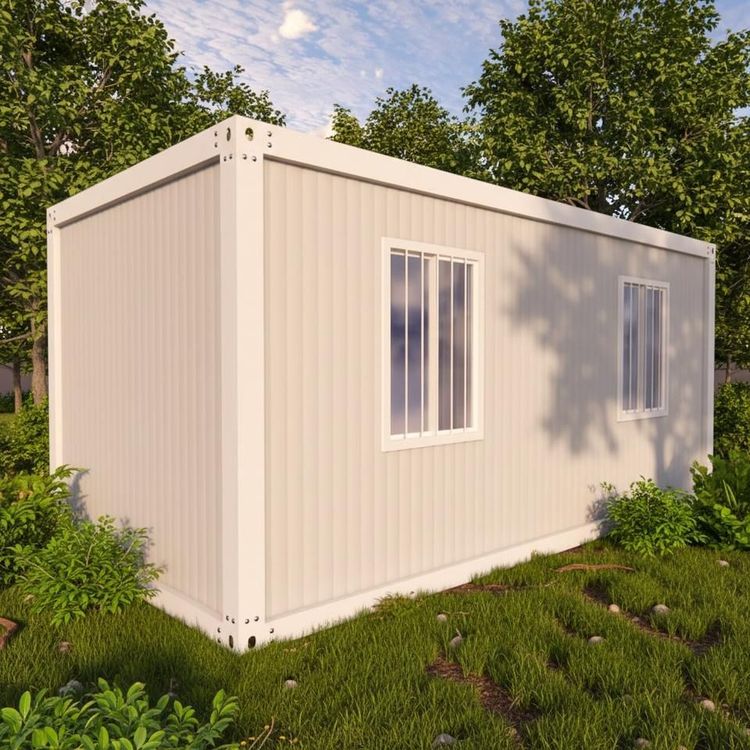
12Nov
Portable Toilet In Stock Custom & OEM: Design & Bulk Production Guide
Read More
12Nov
How to Source Portable Toilet Rental Wholesale from China
Read More
12Nov