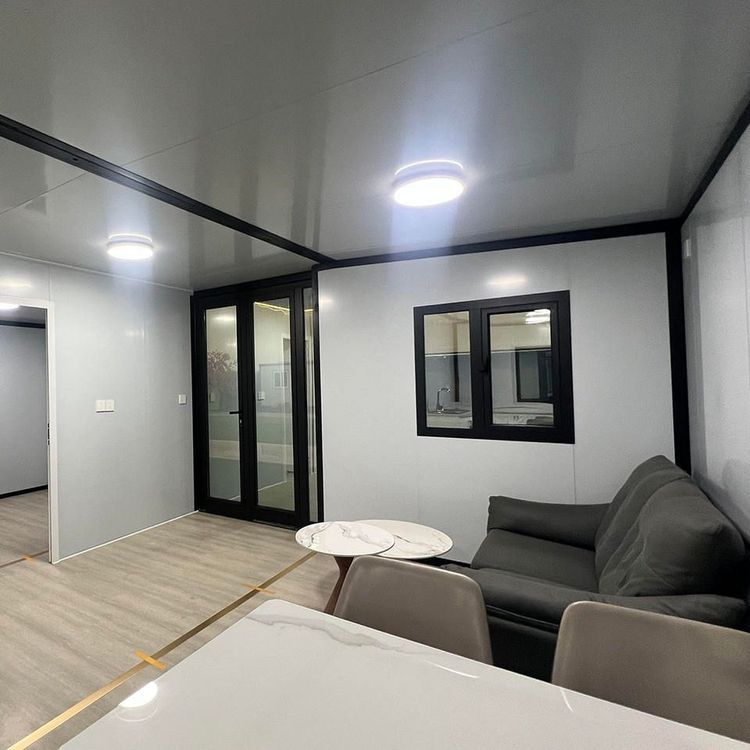
Technology Mobile Toilet Design
The design of technology mobile toilets mainly revolves around modular design, integration of environmental protection technologies, and intelligent management, while adhering to principles such as mobility, convenience, environmental protection, ecology, and improved efficiency.
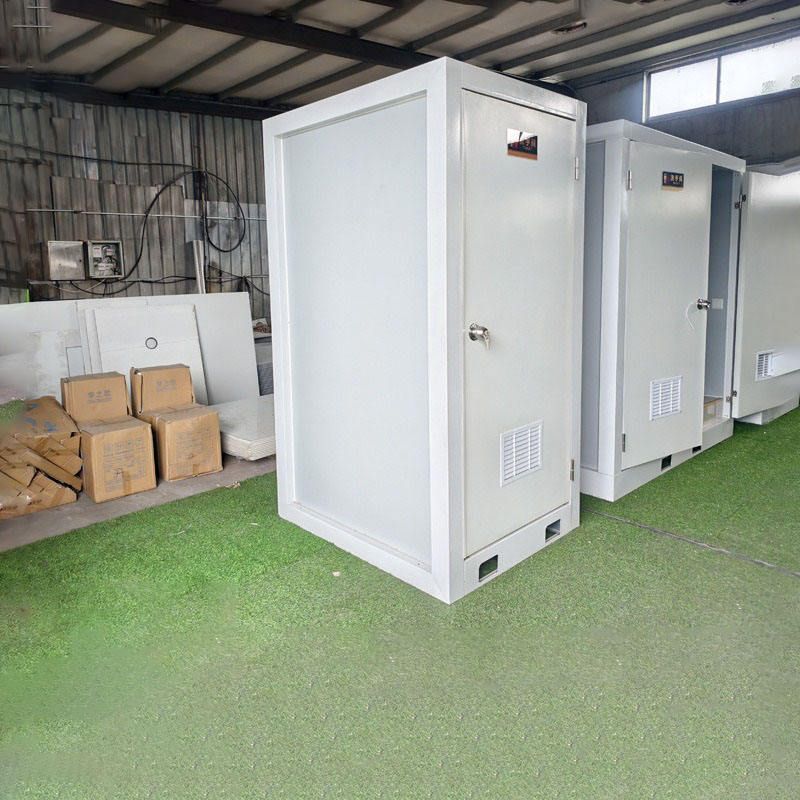
Modular Design
Modular design is the core technological logic of technology mobile toilets. It breaks down the main body into multiple independent units, including walls, roofs, sewage systems, and door lock components. Each unit adopts a standardized interface design and can be quickly assembled using bolts or clips, enabling the toilet to be assembled "like building blocks." This design approach not only shortens the production cycle but also reduces transportation costs. Moreover, the module combination can be flexibly adjusted according to the requirements of the usage scenario, and some manufacturers have developed expandable structures to further enhance adaptability.
Integration of Environmental Protection Technologies
The integration of environmental protection technologies is a key feature of technology mobile toilets. On the one hand, microbial degradation technology is employed, with a biological reaction tank installed at the bottom of the toilet. Specific bacteria are added to decompose excrement into harmless carbon dioxide and water vapor, eliminating the need for external water sources and sewage pipelines. A single addition of bacteria can support hundreds of uses. On the other hand, a vacuum adsorption system is utilized, which rapidly sucks up excrement through negative pressure and compresses it into a fecal storage tank, reducing water consumption by over 80% and preventing odor diffusion. Some manufacturers have also developed solar-powered vacuum pumps. Additionally, a recirculating water treatment technology is adopted, where hand-washing water is purified through membrane filtration and ultraviolet disinfection devices and then reused for toilet flushing, achieving closed-loop water resource utilization. A single toilet stall can save over 1 ton of water per day.
Intelligent Management
Intelligent management enhances the user experience and management efficiency of technology mobile toilets. Smart sensors are embedded in the products to monitor data such as toilet stall occupancy status, fecal storage tank capacity, and air quality, providing real-time feedback on equipment operation. For example, when the fecal storage tank is nearly full, an automatic cleaning reminder is sent, and when the air quality exceeds standards, the ventilation system is automatically activated. Some high-end models are also equipped with facial recognition paper dispensers and intelligent lighting systems, further improving convenience and comfort.
Design Principles
The design of technology mobile toilets should adhere to the principles of mobility, convenience, economic durability; environmental protection, ecology, and environmental friendliness; and improved efficiency and promotion of humanitarianism. The overall structure should be lightweight, utilizing lightweight and durable materials as much as possible, with a sturdy structure. The height and width of the toilet should be controlled, and the mobile device should be complete and reasonable.