
Taizhou Double-Position Mobile Toilet
The Taizhou double-position mobile toilet is a mobile sanitation facility with two independent compartments and a shared treatment system, suitable for outdoor scenarios such as scenic spots, construction sites, and exhibitions, offering both practicality and flexibility.
I. Basic Structure and Functional Configuration
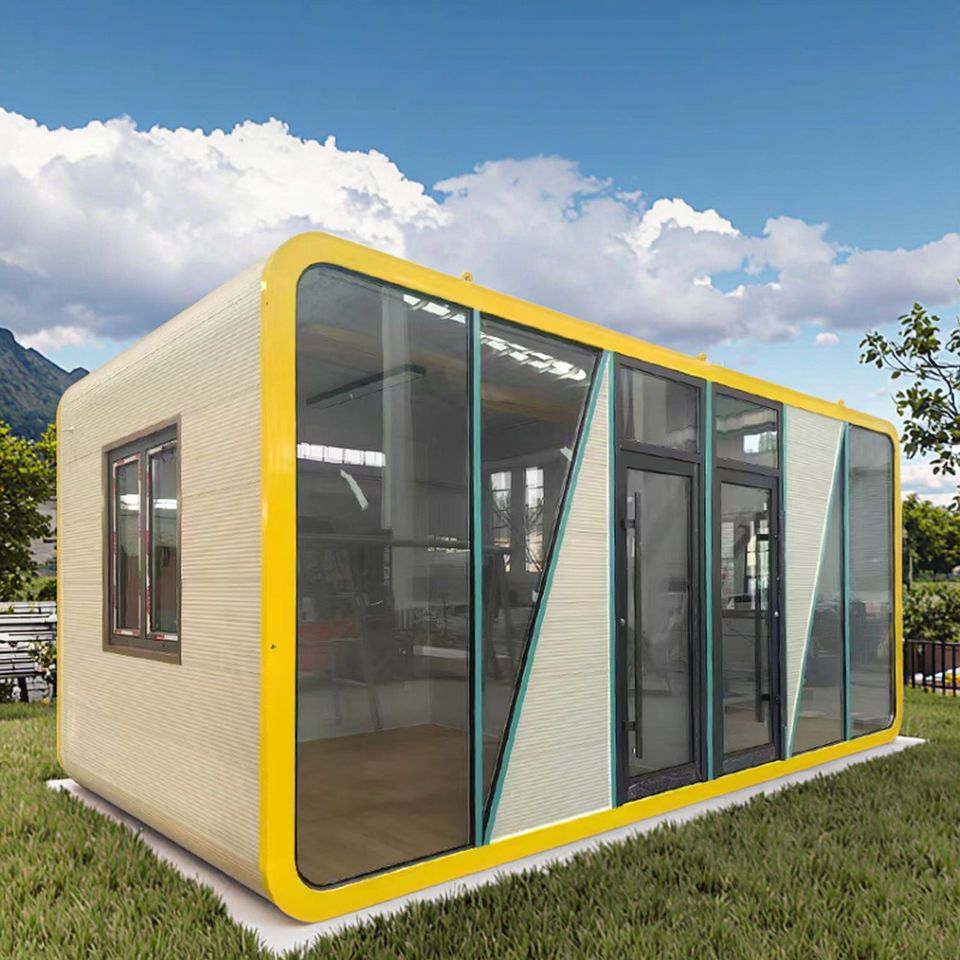
The Taizhou double-position mobile toilet typically employs a steel frame and composite material wall structure, ensuring transportation stability and user privacy. Each compartment is independently equipped with a flushing device, ventilation equipment, and safety locks, sharing a septic or packaged treatment system. Common types in the Taizhou area include standard and barrier-free models, with the latter featuring ramps and internal handrails to meet the needs of special populations. Its double-unit design allows simultaneous use by two people, offering high space utilization. Manufactured with eco-friendly materials, it exhibits excellent waterproof and moisture-proof properties, adapting well to outdoor environments.
II. Rental Process and Cost Structure
The rental process begins with a needs assessment, determining the number and specifications of equipment based on the number of users, duration, and site conditions. Site requirements include providing a flat and hardened ground surface with an area no less than 1.5 times the base of the equipment, and no underground pipelines within 3 meters of the perimeter. Cost calculations cover basic rental fees, regular cleaning and maintenance, waste removal, and troubleshooting services, with long-term rentals potentially involving quarterly deep cleaning. Standard services such as night lighting, toilet paper replenishment, and disinfectant replacement are not charged extra.
III. Transportation, Installation, and Maintenance Management
Transportation requires professional equipment (such as forklifts and cranes) for loading and unloading, with installation including leveling and securing, pipeline connection, and electrical testing. Some companies offer one-stop services, but it is necessary to confirm the width of the site entrance and the height of overhead power lines in advance. The toilet can only be used after passing water quality and ventilation tests. The maintenance cycle is clearly defined: daily surface disinfection and waste inspection, weekly replacement of deodorizers, and monthly inspection of pipeline sealing. During the rainy season, anti-slip and drainage checks need to be strengthened, and chemical treatment agents must comply with environmental standards.
IV. Contract Terms and Supplier Selection
The contract should clearly define equipment damage assessment standards, natural disaster delay handling plans, and penalty calculations for early termination of the lease. The response time for cleaning services is usually agreed upon as within 24 hours after a repair request is made. When selecting a supplier, it is necessary to verify special equipment transportation licenses, waste disposal qualifications, and third-party safety inspection reports, and assess the number of backup equipment and maintenance team configurations to judge emergency response capabilities.
V. Seasonal Adjustments and Equipment Recovery
In summer, ventilation and mosquito control measures need to be strengthened, while in winter, attention should be paid to pipeline freeze protection; during the rainy season, waterproof sealing should be checked, and in windy weather, the wind resistance rating of the fixing devices should be confirmed. Long-term rentals are recommended to include seasonal service adjustment clauses. During equipment recovery, thorough disinfection, pipeline removal, and component wear detection are required. The septic tank should be professionally cleaned, and metal components should be rust-proofed after recovery, with the recovery record signed by both parties.



