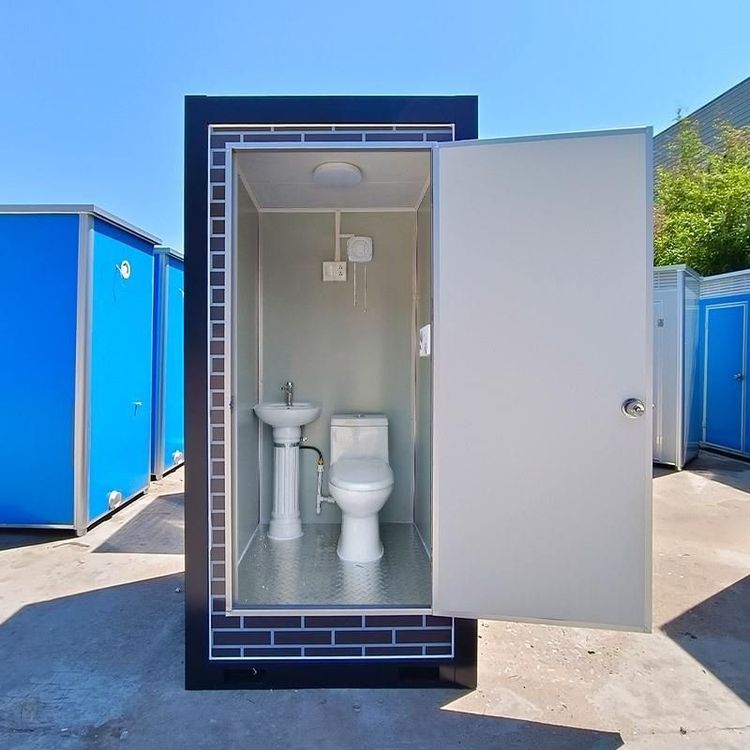
Taiyuan Mobile Toilet Inspection
The inspection of mobile toilets in Taiyuan mainly involves two major aspects: production quality inspection and operational hygiene management inspection, but detailed public information on specific processes and standards is not yet available.
Production Quality Inspection
During the production stage of mobile toilets, quality inspection is a crucial step to ensure that the products meet design requirements. The inspection process includes multiple testing nodes covering fundamental indicators such as structural strength, airtightness, and material corrosion resistance. For example, the outer shell must pass a waterproof test to verify its durability in outdoor environments; the internal piping system must undergo pressure testing to ensure there is no risk of leakage. Each node requires specialized inspection equipment, such as airtightness testers and pressure sensors, operated by professionally trained technicians. These inspection costs are typically included in the final quotation, but the specific proportion varies among manufacturers.
Operational Hygiene Management Inspection
After the equipment is put into use, hygiene management inspection becomes a priority, mainly encompassing three technical aspects:
- Air Circulation System: It adopts a positive pressure ventilation design, continuously delivering fresh air into the interior through fans, achieving two full-space air exchanges per minute. This design effectively inhibits the spread of odors while preventing the entry of contaminated external air. During inspection, it is necessary to verify whether the ventilation volume meets standards and check whether the filtration devices are replaced regularly.
- Surface Antibacterial Treatment: It utilizes silver ion coating technology, which releases silver ions to disrupt the cell membrane structure of microorganisms, inhibiting attachment for more than 24 hours. Inspection requires verifying the antibacterial effect through microbial culture experiments and confirming the uniformity and wear resistance of the coating.
- Waste Disinfection Process: It employs a dual treatment technology of ultraviolet light and chemical oxidation. Ultraviolet light can damage the DNA structure of pathogens, while chemical oxidants (such as sodium hypochlorite) further decompose organic matter, ensuring a pathogen inactivation rate of 99.9%. Inspection involves regular sampling of excreta to verify whether the disinfection effect meets hygiene standards.
Current Limitations
Currently, public information does not mention the specific processes (such as inspection frequency and responsible entities) and detailed standards (such as air quality thresholds and microbial limits) for mobile toilet inspection in Taiyuan. Actual inspections may also need to comply with the requirements of local environmental protection or health departments. It is recommended to obtain more authoritative guidance documents from the Taiyuan Municipal Administration Department or mobile toilet suppliers.