
Portable Toilet Movable Eco-Friendly Explained: How to Choose the Right One
When choosing a portable, movable, and eco-friendly toilet, it is essential to consider five dimensions: material, design, environmental standards, applicable scenarios, and brand reputation.
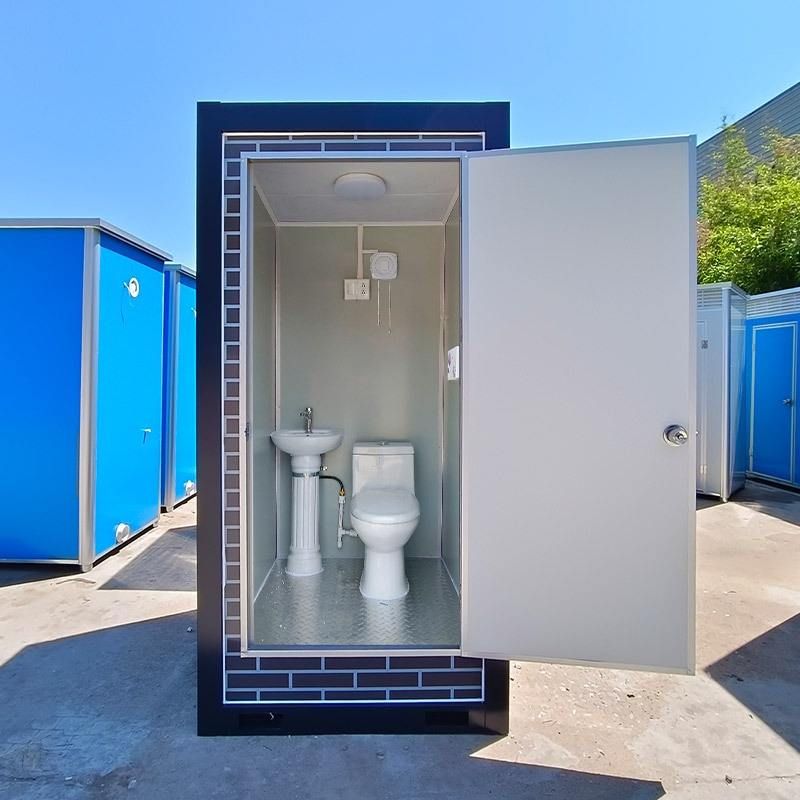
1. Material and Durability: Balancing Eco-Friendliness and Practicality
Opt for products made from durable plastics or HDPE (High-Density Polyethylene). These materials are lightweight, UV-resistant, and corrosion-resistant, making them suitable for complex outdoor environments (such as high temperatures, humidity, or low temperatures) and extending their service life. Some high-end products also use recyclable materials or biobased plastics to further reduce environmental impact. Avoid materials containing heavy metals or harmful chemicals to ensure safety.
2. Design and Functionality: Meeting Diverse Needs
- Modular Design: Choose compact, detachable products that allow for easy addition of accessories (such as hand sanitizer dispensers, waste bins, or deodorizers) to enhance practicality.
- Smart Features: If budget allows, consider models equipped with smart cleaning systems (such as automatic flushing and spraying) and temperature control (such as heated seats and one-touch drying), especially suitable for cold regions or scenarios with high hygiene requirements.
- Sealing: Ensure the toilet has a tight sealing structure to prevent odor leakage and that the waste storage tank has sufficient capacity (typically 10-20 liters is recommended to balance portability and usage frequency).
3. Environmental Standards and Certifications: Reliable Authority Endorsements
- International Certifications: Prioritize products that have passed certifications such as RoHS (Restriction of Hazardous Substances) and CE (Safety Compliance), as these products have minimal environmental impact and meet safety standards.
- Biodegradable Materials: Some products use biodegradable plastics or plant-based materials, allowing waste to be directly buried or composted after treatment, reducing pollution.
- Low Energy Consumption Design: If the product includes electronic features (such as smart flushing), pay attention to its energy consumption level and choose low-power models to reduce carbon footprint.
4. Applicable Scenarios and Portability: Choosing Based on Needs
- Outdoor Activities: Lightweight (usually <10kg), foldable, or handle-equipped designs are more portable and suitable for camping, hiking, and other scenarios.
- Temporary Venues: For construction sites, exhibitions, or emergency rescue, choose models that can be quickly installed/disassembled and do not rely on external water or power sources.
- Home Backup: If used in areas without sewage systems (such as basements or attics), focus on the product's stability and capacity to avoid frequent cleaning.
5. User Reviews and Brand Reputation: Ensuring Quality and Support
- User Feedback: Check real reviews on e-commerce platforms or forums, focusing on the product's durability, sealing, and after-sales service.
- Brand Selection: Prioritize brands specializing in mobile sanitation (such as Yihui, Kangji), as these brands typically have mature technology and can provide more comprehensive accessory support (such as specialized cleaners and replacement seals).
Summary: When choosing, balance eco-friendliness, functionality, and cost. Clearly define core needs based on usage scenarios (such as prioritizing portability or smart features), and then select reliable products based on certifications and user reviews.



