
Henan Mobile Transparent Toilet
Currently, there is no publicly available information indicating the existence of 'mobile transparent toilets' in Henan. The following provides a popular science explanation from the perspectives of concept, common types, potential application scenarios, and current status:
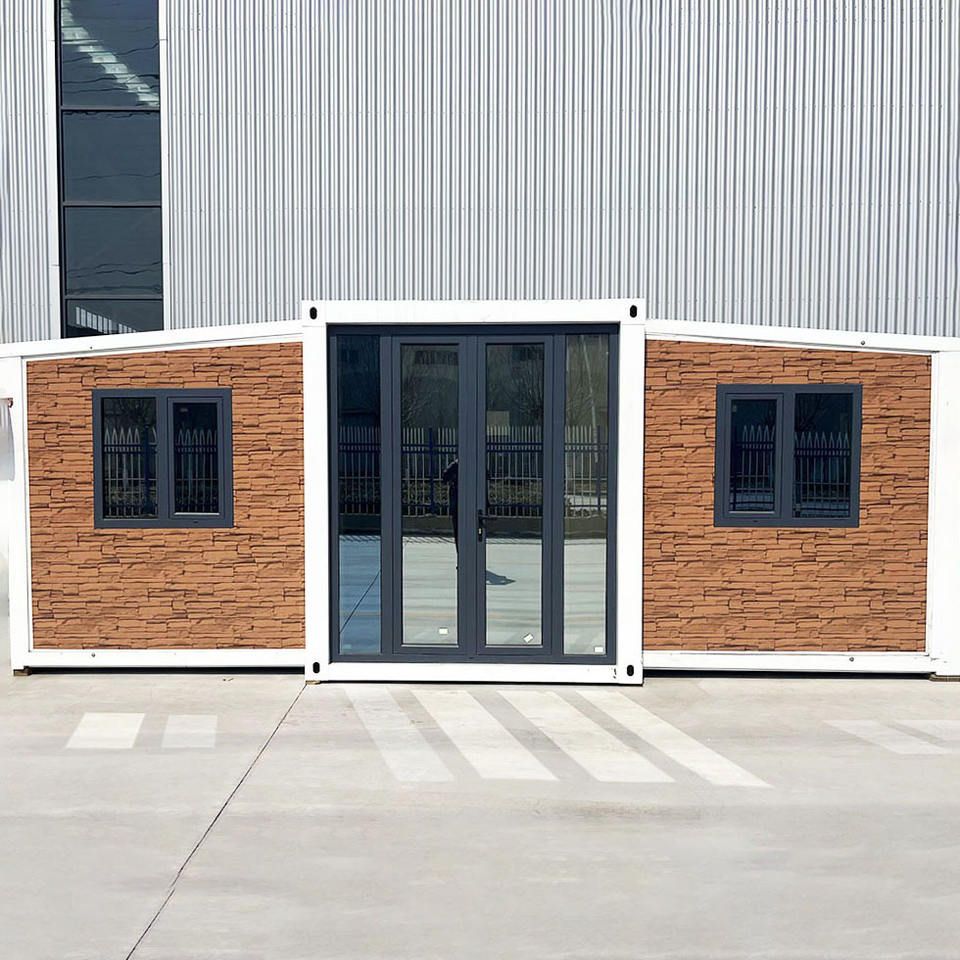
Concept and Common Types
'Transparent toilets' typically refer to toilets constructed using special glass or materials that are transparent under specific conditions (e.g., transparent when unoccupied and opaque when in use). The original design intent may be to add an element of fun, showcase the city's innovative image, or meet certain special scenario requirements. Common types of transparent toilets include fully transparent glass toilets and semi-transparent design toilets, which are often found in tourist attractions and urban public spaces as distinctive landscape facilities.
Potential Application Scenarios
If 'mobile transparent toilets' exist, they could theoretically be applied to temporary large-scale events (such as music festivals and sports events) for quick deployment and to attract attention, or used as unique experience projects in tourist attractions to provide visitors with a novel toilet experience. However, such facilities need to address various issues such as privacy protection, safety, and durability. For example, smart dimming glass can be used, which automatically becomes opaque when occupied and transparent when unoccupied through an electronic control system, while also being equipped with sturdy frames and non-slip floors for safety.
Current Status and Challenges
Currently, there are few publicly reported cases of transparent toilets in China, and most are in fixed building forms. Mobile transparent toilets have not been widely promoted due to technical, cost, and maintenance limitations. As a populous province, Henan focuses more on the practicality, hygiene, and accessibility of public toilet construction, and mobile transparent toilets are not a mainstream demand for such facilities. If there are relevant plans or constructions in the future, factors such as public acceptance, privacy protection, and environmental adaptability need to be fully considered to ensure that the facilities are both innovative and meet basic usage requirements.



