
Taiyuan Mobile Toilet Design
The design of mobile toilets in Taiyuan needs to integrate regional climate, usage scenarios, and technological trends, with the following key points:
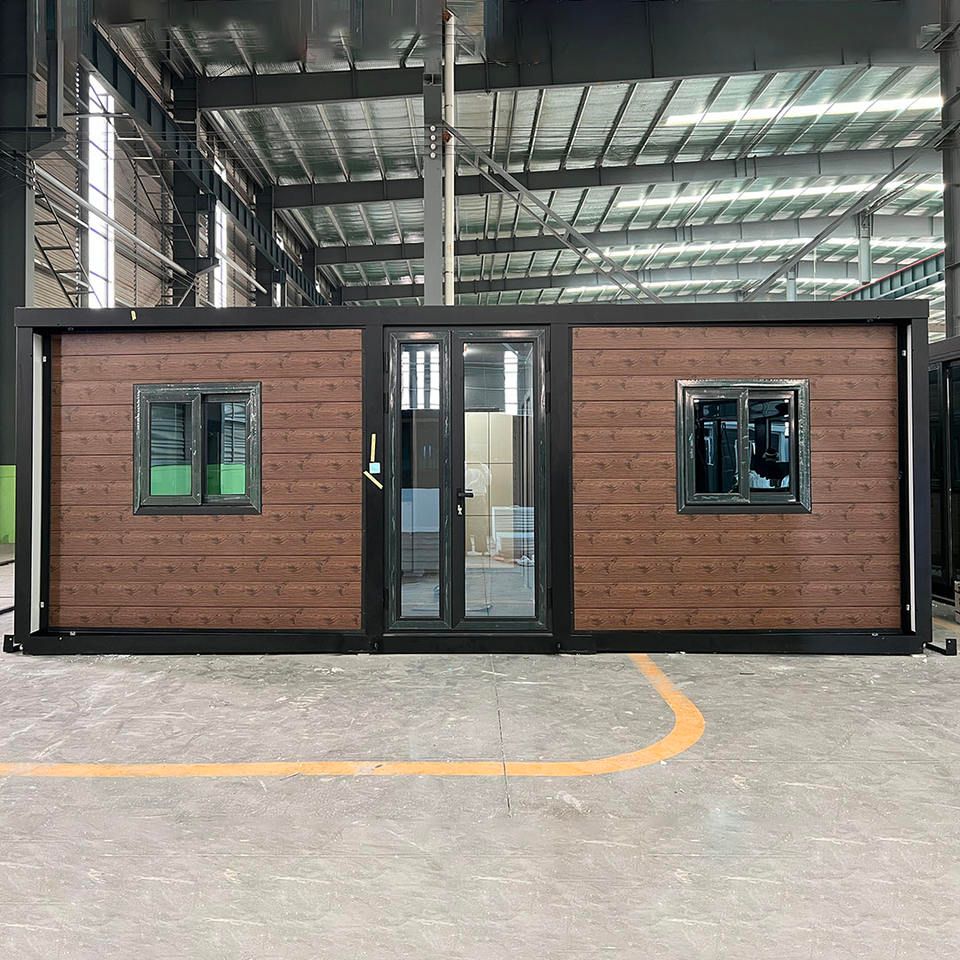
1. Structural Materials and Climate Adaptability
Taiyuan has a temperate continental monsoon climate, with severe cold in winter (minimum temperatures can drop below -20°C) and strong sunlight in summer (high levels of ultraviolet radiation). The outer shell of mobile toilets needs to have freeze-crack resistance and UV aging resistance. Commonly used materials include galvanized steel sheets (corrosion-resistant and high-strength) and new composite materials (lightweight and with excellent thermal insulation), which can effectively extend the service life of the facilities and reduce maintenance costs.
2. Pipe System Anti-Freezing and Ventilation Design
Low temperatures in winter can easily cause water pipes to freeze. Electric tracing technology (heating pipes through resistance wires) or adding antifreeze (lowering the freezing point) is required to ensure smooth water flow. The ventilation system needs to balance thermal insulation and odor control: in northern winters, intermittent forced ventilation is adopted, reducing heat loss by starting and stopping the exhaust fan at regular intervals, while using activated carbon filtration or biological odor control technology to control odors.
3. Operation Modes and Layout Logic
- Operation Modes:
- Traditional Sewage Storage Type: Relies on sealed tanks to store waste, requiring regular cleaning and transportation, suitable for areas with stable pedestrian traffic (such as the outskirts of cities).
- Biodegradable Type: Decomposes organic matter through microbial fermentation, reducing the frequency of cleaning and transportation, suitable for usage scenarios with peak periods such as scenic spots.
- Layout Principles: Priority should be given to deployment around large event venues, transit areas of public transportation hubs, and blind spots not covered by regular public toilets. The number of installations should be calculated based on peak pedestrian traffic. For example, during holidays in scenic spots, they should be configured at 1.2 times the hourly demand to avoid queues and congestion.
4. Maintenance Management and Safety Measures
- Cleaning and Maintenance: Work in different time slots, replenish paper products and wipe surfaces during peak periods, and conduct deep disinfection (such as using chlorine-containing disinfectants) during off-peak periods.
- Mechanical Component Inspection and Repair: Set a fixed replacement cycle (such as inspection and repair every 3 months) for easily damaged parts such as flush valves and exhaust fans to prevent sudden failures.
- Waste Disposal Traceability: Establish a closed-loop recording system to record in detail the cleaning and transportation time, handling unit, and final destination to ensure compliance.
- Seasonal Safety: Lay absorbent mats at the entrance in winter and use anti-slip materials with concave-convex patterns for the internal floor; install micro-pore insect-proof nets at ventilation openings in summer and regularly spray biological insect repellents (such as pyrethrins).
5. Technological Innovation and Sustainable Directions
Some new models have piloted rainwater collection and flushing systems, filtering and storing rainwater through roof water collection devices to reduce freshwater consumption; experimental models attempt to use methane generated from the fermentation of excrement for internal lighting power supply, forming a micro-energy cycle and reducing carbon emissions. If these technologies are promoted, they will significantly improve the environmental friendliness and economic efficiency of mobile toilets.



