
Suqian Temporary Mobile Toilet Materials
Common materials for temporary mobile toilets in Suqian include galvanized steel pipes, aluminum alloy profiles, fiberglass reinforced plastics, high-density polyethylene (HDPE) sheets, color-coated steel sheets, and stainless steel, among others. The specific choice should be made by comprehensively considering the usage scenario, budget, and aesthetic requirements.
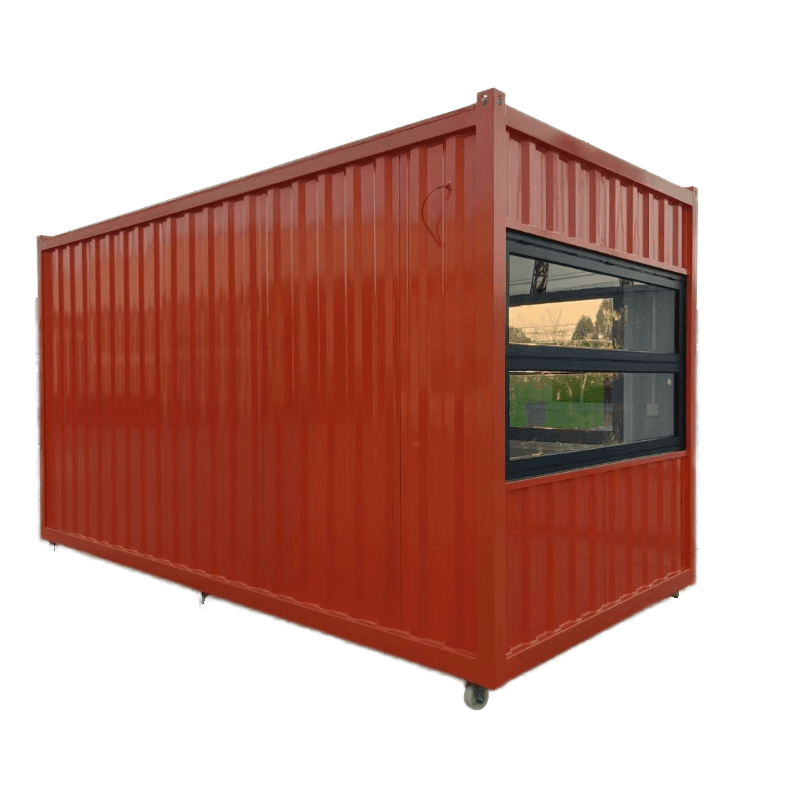
Main Frame Materials:
Galvanized steel pipes and aluminum alloy profiles are commonly used materials for the main frames of temporary mobile toilets. Galvanized steel pipes form a corrosion-resistant layer through hot-dip galvanizing, offering high strength and corrosion resistance, making them suitable for long-term outdoor use with relatively low costs. Aluminum alloy profiles are characterized by their lightweight nature, high strength, and good corrosion resistance, often used in mobile toilets with weight requirements, such as those that need frequent relocation or installation near high-rise buildings.
Enclosure Panel Materials:
Enclosure panels directly affect the durability and appearance of mobile toilets. Fiberglass reinforced plastics (FRP) are lightweight, strong, corrosion-resistant, and easy to clean, commonly used in public places or humid environments. High-density polyethylene (HDPE) sheets are known for their impact resistance, chemical corrosion resistance, and environmental friendliness, suitable for long-term outdoor use. Color-coated steel sheets, with a colored coating applied to the metal substrate, offer both aesthetics and cost-effectiveness, but attention should be paid to the durability of the coating to avoid fading or peeling due to long-term exposure.
Materials for Special Scenarios:
Stainless steel materials are often used in places with high requirements for hygiene and aesthetics, such as scenic spots, commercial centers, or high-end event venues, due to their high strength, corrosion resistance, and modern, simple appearance. Although stainless steel mobile toilets have higher initial costs, their long-term maintenance costs are low, and they can enhance the overall environmental quality.
Selection Criteria:
Material selection should comprehensively evaluate the climatic conditions (such as humidity and temperature) of the usage scenario, usage frequency, budget constraints, and aesthetic requirements. For example, in humid areas, fiberglass reinforced plastics or stainless steel should be prioritized to prevent corrosion; in high-frequency usage scenarios, high-density polyethylene sheets or galvanized steel pipes should be selected to enhance durability; when the budget is limited, color-coated steel sheets or aluminum alloy profiles can provide more cost-effective solutions.



