
Steel-Wood Structure Mobile Toilet
Currently, there is limited direct information on 'steel-wood structure mobile toilets,' but a general analysis can be conducted by combining common structural forms and material applications of mobile toilets.

Mobile toilets are typically categorized into single-unit and composite structures, with steel being a common material for the main frame. Steel structures are known for their strong stability and high durability, capable of withstanding significant external impacts and long-term use, making them widely applied in the frame design of mobile toilets. Some companies use steel structures in combination with other materials for exterior walls, such as galvanized steel sheets, aluminum panels, or metal carved panels, which not only enhance the toilet's aesthetic appeal but also offer rust-resistant and corrosion-resistant properties, extending the overall lifespan. Internally, materials like rock wool or polyurethane may be used for thermal insulation, ensuring a comfortable environment under different climatic conditions.
If 'steel-wood structure' refers to a combination of steel and wood, it may relate to early designs of mobile toilets. In early designs, wood was used for manufacturing frames or decorative components of some mobile toilets due to its ease of processing and low cost. However, wood has drawbacks such as being susceptible to moisture and decay, especially in humid or outdoor environments, where long-term use can lead to structural deformation or damage. With advancements in material science, modern mobile toilet designs tend to favor new materials like fiberglass-reinforced plastic and polyethylene. These materials not only possess odor-resistant and durable properties but also effectively resist environmental factors such as UV radiation and acid-base corrosion, making them more suitable as main or internal components of mobile toilets.
For further information on the specific applications of steel-wood structures in mobile toilets, it is recommended to consult professional mobile toilet companies. These companies typically have customized design capabilities and can select materials, adjust dimensions and layouts, and even combine the advantages of steel and wood to develop products that are both aesthetically pleasing and practical. For example, using steel for the frame to ensure stability and wood for decorative or non-load-bearing parts to enhance visual appeal, while extending the lifespan of the wood through anti-corrosion treatment.
Overall, the concept of steel-wood structure mobile toilets may stem from early designs or specific scenario requirements, but modern mobile toilets place greater emphasis on the functionality, durability, and environmental friendliness of materials. If there is a clear demand for steel-wood structures, it is advisable to communicate with professional companies and select the most appropriate material combination scheme based on the actual usage environment.
You may also like

Portable Toilet for Energy Efficiency Solutions: A Buying Guide
Read More
Container House Custom Explained: How to Choose the Right One
Read More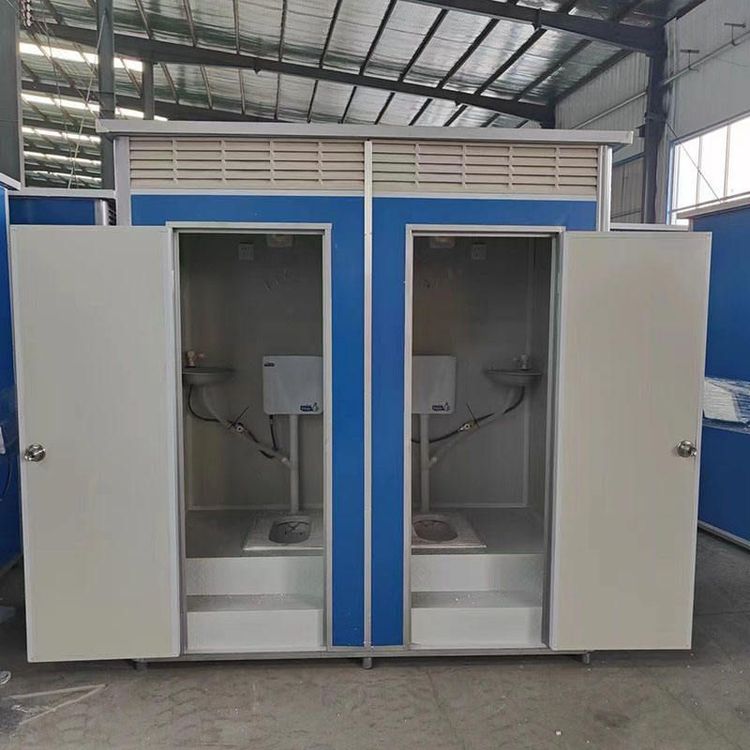
Portable Toilet Design Custom & OEM: Design & Bulk Production Guide
Read More