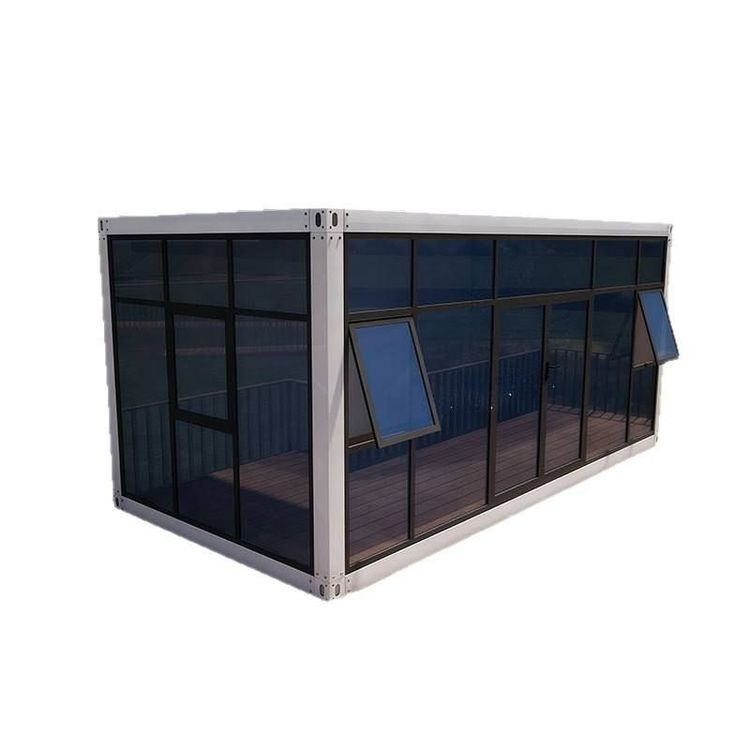
Solar-Powered Mobile Toilet
A solar-powered mobile toilet is an environmentally friendly facility that combines solar power generation with the functionality of a mobile toilet, featuring power generation, intelligent control, efficient waste treatment, and strong environmental adaptability.

Power Generation and Supply Capacity
Solar panels, typically made of polycrystalline or monocrystalline silicon materials, are installed on the roof of the toilet, generating an average of 17,000 kWh of electricity per day, sufficient to power air conditioning for three months. The photovoltaic system stores direct current in battery packs through a controller, with battery capacity designed to cover at least two days of electricity demand during continuous rainy weather. Some models are equipped with inverters that convert direct current to alternating current, compatible with standard voltage equipment such as lighting and odor removal systems.
Intelligent System and Water-Saving Technology
The toilet is equipped with an electrically driven intelligent system that automatically controls lighting, odor removal, and other functions. Foam sealing technology is used to suppress odors, achieving a water-saving rate of up to 98% and significantly reducing water consumption. The intelligent system monitors environmental parameters through sensors to optimize energy distribution and ensure efficient equipment operation.
Waste Treatment Technology
The basic model adopts a combined septic tank and evaporation approach: solid waste is decomposed by anaerobic bacteria in a sealed chamber, while the liquid portion passes through a filter layer into an evaporation pond, where solar heat accelerates water evaporation. The high-end model introduces microbial degradation technology, utilizing aerobic bacteria on a specially designed carrier to decompose organic matter, resulting in odorless dry powder for harmless treatment.
Environmental Adaptability and Thermal Insulation Design
The toilet features a thermal insulation layer combined with a solar collector wall design, maintaining an internal temperature above 10°C even in environments as cold as -15°C, as demonstrated during the Beijing Winter Olympics. In cold regions, the equipment is equipped with electric tracing for water pipes to prevent freezing, with additional energy consumption covered by the photovoltaic system to ensure normal operation in extreme climates.
Mobility and Environmental Benefits
The entire structure supports towing and can be set up within two days in water- and electricity-free areas such as the Everest Base Camp, leaving no construction residue after dismantling. A single toilet reduces carbon dioxide emissions by 17 tons annually, equivalent to planting 800 trees; in Tibet, feces-to-fuel technology replaces charcoal, reducing local deforestation by 30%.
Application Scenarios and Market Products
Commonly found in temporary or remote locations such as tourist attractions, construction sites, and outdoor events. In the Jinshan area of Shanghai, some toilets generate electricity for self-use, with surplus power supplying mobile phone charging stations. Market products range in price from a few hundred to tens of thousands of yuan, supporting customized services to meet diverse scenario demands.