Back to blog
Article
Container House: Types, Features & Buying Tips
Admin October 24, 2026
Container houses are modern residences or functional buildings constructed using recycled shipping containers or prefabricated container modules. They are characterized by diverse types, low costs, and strong sustainability, and legal compliance should be noted when purchasing.
Types of Container Houses
Container houses can be classified into various types based on structural design and functional requirements:
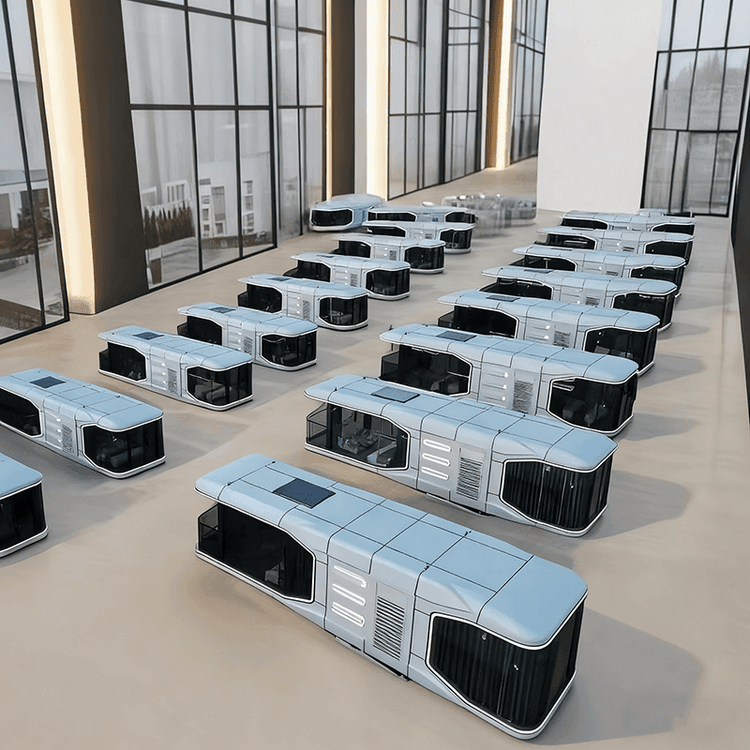
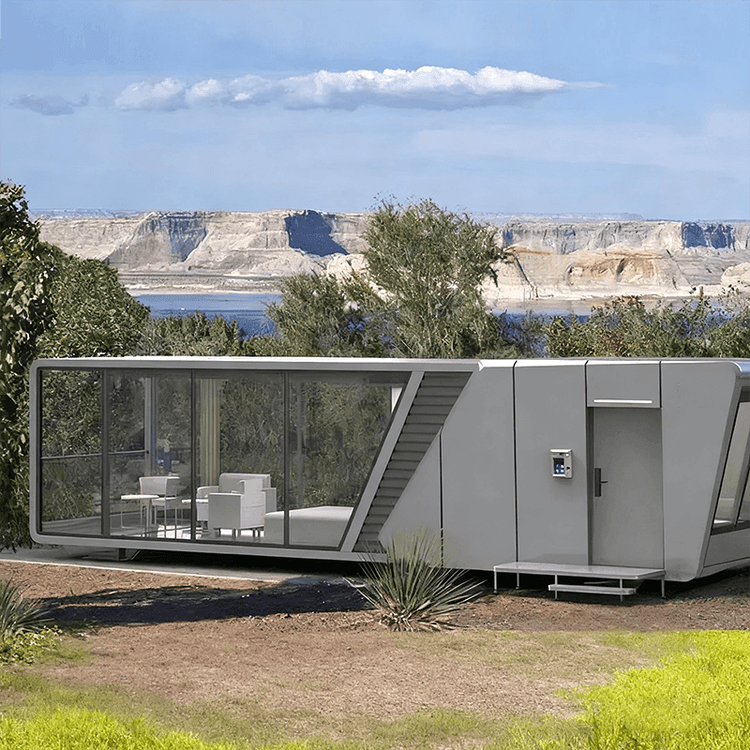
- Expandable Container Houses: These houses achieve space expansion through mechanical devices, making them suitable for scenarios requiring flexible adjustment of living areas, such as temporary offices or vacation homes.
- Foldable Container Houses: Featuring a foldable design, these houses reduce in volume during transportation and can be quickly unfolded during installation, significantly lowering logistics costs. They are ideal for post-disaster reconstruction or mobile camps.
- Detachable Container Houses: Modular components can be individually detached and reassembled, facilitating upgrades, renovations, or relocations. They are commonly found in commercial exhibition halls or temporary construction site housing.
- Micro Container Houses: Typically smaller than 20 square meters in area, these houses emphasize minimalist living concepts and are suitable for individual residences or as ancillary spaces (e.g., studies or workshops).
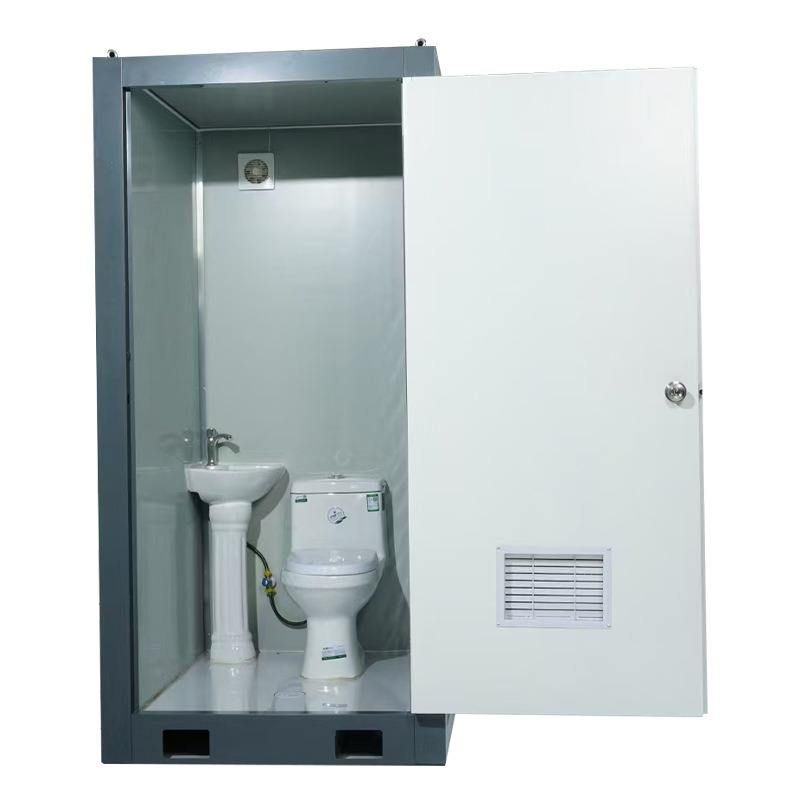
- Mobile Toilets: Specifically designed for public health scenarios, these toilets integrate sewage systems and are commonly used in outdoor events or construction sites.
Core Features of Container Houses
- Economy: Against the backdrop of rising global housing prices, container houses cost only one-third to one-half of traditional residences, making them particularly suitable for budget-conscious buyers.
- Sustainability: Recycled steel containers reduce carbon emissions, and the modular construction process generates almost no construction waste, aligning with low-carbon and environmentally friendly trends.
- Industrial Durability: Inheriting the corrosion-resistant and impact-resistant properties of shipping containers, container houses have a lifespan of over 20 years and can withstand extreme weather conditions.
- Rapid Deployment: Some models support installation within 72 hours, while foldable versions can be transported and put into use in just 15-30 days, far faster than traditional buildings.
- Functional Adaptability: Weather-resistant and expandable designs meet diverse needs, serving as both permanent residences and commercial spaces such as cafes or guesthouses after renovation.
Buying Considerations
- Legal Compliance Review: Verify local building regulations regarding the use, dimensions, and foundations of container houses to avoid the risk of demolition due to non-compliance.
- Structural Safety Inspection: Check welds and rust conditions for recycled containers, and validate material certifications for new prefabricated modules to ensure compliance with seismic and fire resistance standards.
- Supplier Qualification Verification: Prioritize suppliers offering comprehensive design, transportation, and installation services to avoid ambiguous responsibility definitions due to subcontracting.
- Long-Term Maintenance Planning: Allocate costs for updating anti-corrosion coatings and replacing seals, and strengthen moisture-proof treatments in humid areas to extend the lifespan.
Related