
Size of Prefabricated House Slabs
The common sizes of prefabricated house slabs mainly involve three aspects: length, width, and thickness, as detailed below:
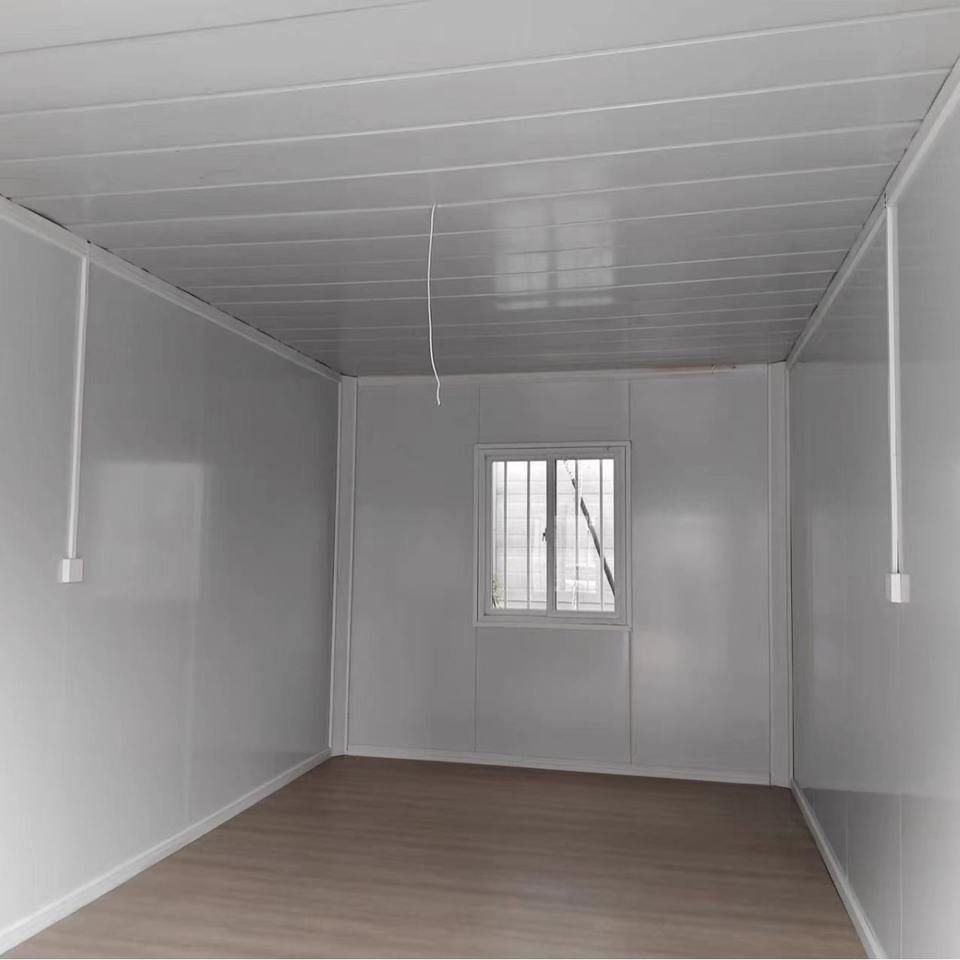
Length: The standard length range of prefabricated house slabs typically falls between 3 meters and 4.2 meters, with increments of 30 centimeters per step. This means common length specifications include 3 meters, 3.3 meters, 3.6 meters, 3.9 meters, and 4.2 meters. Among these, 3 meters, 3.3 meters, and 3.6 meters are the most common sizes, capable of meeting the construction needs of most ordinary residential buildings. When longer slabs are required, such as those exceeding 4.2 meters, custom orders are usually necessary, which may involve higher costs.
Width: The width design of prefabricated slabs primarily considers the convenience of splicing and structural stability. Common width specifications include 500 millimeters and 600 millimeters. Five-hole slabs measuring 50 centimeters and four-hole slabs measuring 60 centimeters can form neat gaps when spliced, facilitating construction and subsequent decoration. These two widths of prefabricated slabs are widely used in residential construction, meeting the layout and functional requirements of different rooms.
Thickness: The thickness of prefabricated slabs directly relates to their load-bearing capacity and sound insulation effect. Common thickness specifications include 120 millimeters and 150 millimeters. For ordinary residential buildings, a 120-millimeter-thick slab can already meet basic load-bearing requirements. However, if heavy objects need to be placed upstairs or other high-load activities are to be carried out, it is recommended to choose a 150-millimeter-thick slab to provide stronger support and better sound insulation. Additionally, thicker slabs can also improve the building's thermal insulation performance to a certain extent.
When selecting prefabricated house slabs, in addition to considering size factors, attention should also be paid to aspects such as material, production process, and installation quality. High-quality prefabricated slabs should have a uniform texture, good compressive performance, and durability to ensure the safety and stability of the building. At the same time, correct installation methods are also key to ensuring the performance of the slabs is fully utilized.



