
Portable Toilet Conversion: What to Know Before You Buy
When purchasing a portable toilet, it is essential to consider factors such as type classification, material construction, portability, sewage treatment methods, size and space, internal configuration, and brand reputation. Here is a detailed analysis:
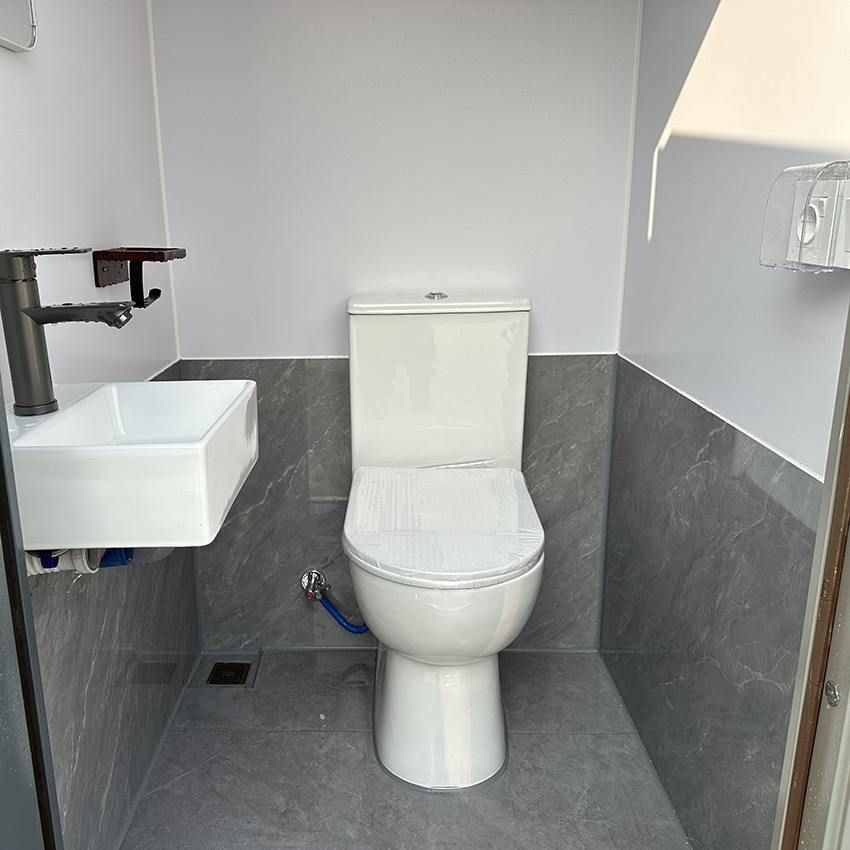
1. Type and classification should match the usage scenario
Portable toilets can be classified by structure into single-structure and composite-structure types. The former is lightweight and suitable for temporary use, while the latter offers strong stability for long-term deployment. In terms of mobility, they can be divided into manual-carry and powered-trailer types, with the former relying on manual handling and the latter enabling rapid relocation using vehicles. Based on sewage treatment technology, they include flush-type, waterless-suction, recirculating-flush, and dry-packing types. Flush-type toilets rely on a water source and are suitable for urban areas or scenic spots; waterless-suction and dry-packing types are ideal for arid or remote regions, and the choice should be based on the water resources available in the usage environment.
2. Material and construction affect durability and maintenance costs
The frame is typically made of steel, while wall materials include color-coated steel plates, fiberglass-reinforced plastic (FRP), stainless steel, and metal-carved panels. Modern materials such as FRP and polyethylene have replaced traditional wood due to their moisture resistance, odor resistance, and ease of cleaning. For example, FRP is highly corrosion-resistant and suitable for coastal or humid environments; stainless steel is durable but comes at a higher cost, requiring a balance between budget and usage frequency.
3. Portability and adaptability are core advantages
Portable toilets can be quickly deployed to any location where they are needed and reused, reducing the resource waste associated with dismantling fixed facilities. For instance, Dalian flexibly deploys mobile public toilets during the peak tourist season to alleviate pressure in high-traffic areas, demonstrating their ability to adapt to changing site conditions.
4. Sewage treatment methods should be coordinated with environmental constraints
Flush-type toilets require supporting sewage pipes or fecal storage tanks and are suitable for areas with a water source and sewage disposal facilities. Waterless-suction types use vacuum pumps to extract waste and are suitable for water-scarce environments. Dry-packing types use biodegradable bags, require no water source, and are easy to clean but need regular replacement of consumables. When choosing, it is necessary to evaluate the water source, power supply, and sewage disposal conditions at the usage location.
5. Size and space occupation should comply with site constraints
Portable toilets generally occupy less space than traditional fixed toilets and are suitable for locations with limited space, such as construction sites and temporary event venues. The dimensions of the deployment area should be measured to ensure that the toilet installation does not affect passage or other functions.
6. Internal configuration and comfort enhance the user experience
Some high-end models are equipped with leak-proof and wear-resistant materials, user-friendly designs (such as handrails and toilet seats), and portable structures, even surpassing ordinary fixed toilets in some aspects. For example, certain brands use advanced sealing technology to prevent odor leakage, improving user comfort.
7. Brand reputation and user reviews provide decision-making references
Well-known brands typically feature innovative designs, safety, and practicality. For example, some brands prioritize user comfort and have earned high trust in their products. Before purchasing, user reviews can be consulted to understand practical issues (such as durability and cleaning difficulty) and the quality of after-sales service.



