
Singapore Mobile Toilet
Singapore mobile toilets are modular sanitation facilities that integrate environmental protection, convenience, and cost-effectiveness, meeting urban temporary sanitation needs through technological innovation and flexible applications.
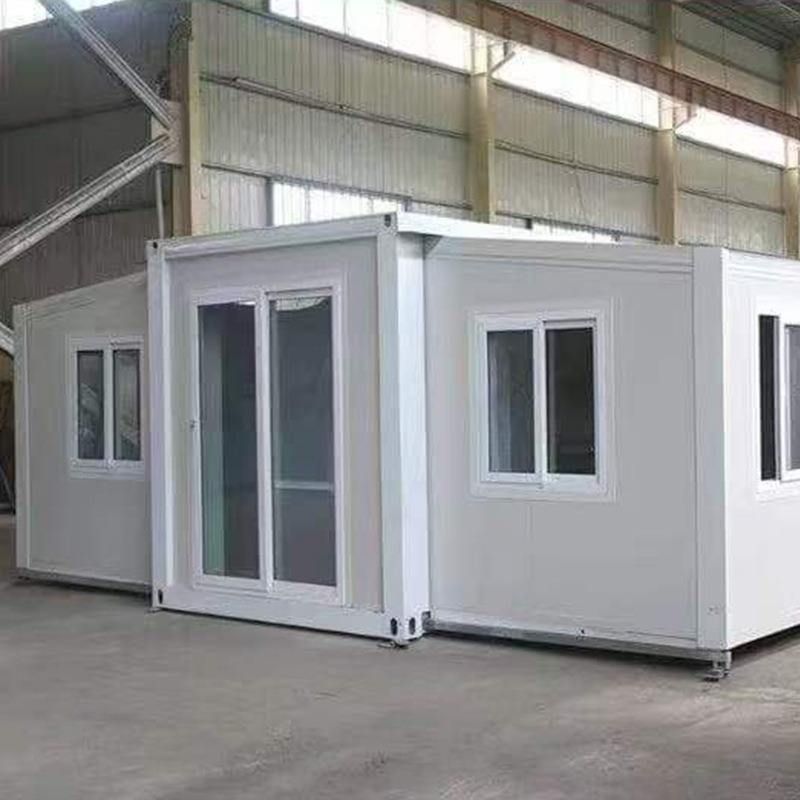
1. Outstanding Environmental Attributes
Singapore mobile toilets generally employ waterless or micro-flushing technologies, consuming less than 0.5 liters of water per use, which is only 1/12 of that used by traditional water-flushing toilets (6 liters per use). Some high-end models incorporate microbial degradation systems that decompose waste into carbon dioxide and water within sealed containers, avoiding the risk of groundwater contamination associated with traditional septic tanks. More advanced models are equipped with membrane separation technology, enabling solid-liquid separation without water. The solid matter is converted into raw materials for organic fertilizers through high-temperature fermentation, forming a closed-loop resource recycling system.
2. Diverse Convenience Designs
- Modular and Rapid Deployment: The toilet bodies are made of lightweight composite materials, with standard units weighing no more than 800 kilograms, allowing transportation by ordinary trucks. Basic models are equipped with self-leveling systems to maintain stability on slopes up to 15 degrees; rapid deployment models can be installed within 2 hours, suitable for construction sites, open-air markets, and other scenarios.
- Energy and Space Innovations: Photovoltaic roofing systems provide 72 hours of continuous power for lighting, ventilation, and control modules, reducing reliance on external energy sources. Some urban pilot projects integrate mobile toilets with rainwater harvesting systems, using treated graywater directly for green space irrigation, blurring the boundaries between sanitation facilities and urban furniture.
3. Market Selection Logic Shifts to Full-Cycle Assessment
Event organizers prioritize full-cycle environmental impacts over mere costs. For example, during a 72-hour event, mobile toilets reduce carbon emissions by approximately 60% compared to temporary sewer solutions; in long-term leasing scenarios, operation and maintenance teams optimize performance by monitoring treatment unit efficiency and adjusting microbial agent dosing cycles. Life cycle assessment reports indicate that the environmental cost per user of mobile toilets used continuously for five years is 40% lower than that of fixed toilets, prompting urban planners to favor modular solutions.
4. Rich Product Types
The market offers a variety of options, including low-cost movable public toilets, outdoor portable bathrooms (Porta Potty), factory-movable toilets, and prefabricated restrooms, with a minimum order quantity of 1 unit to meet different scale demands.



