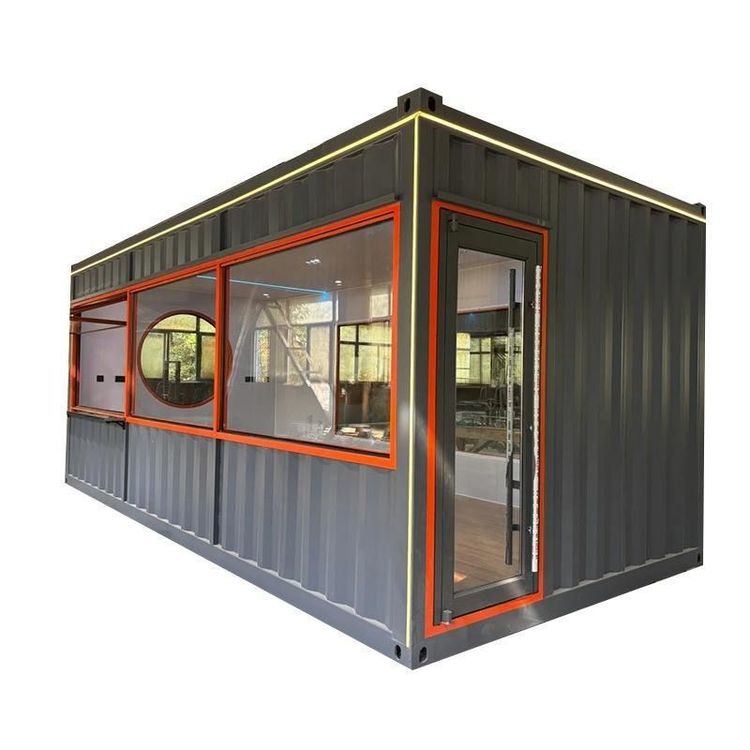
Simple Portable Toilet
Simple portable toilets can be made in various ways, with common solutions including the modification of water storage tanks, water storage barrels, and the use of ready-made bench-style toilets, as detailed below:
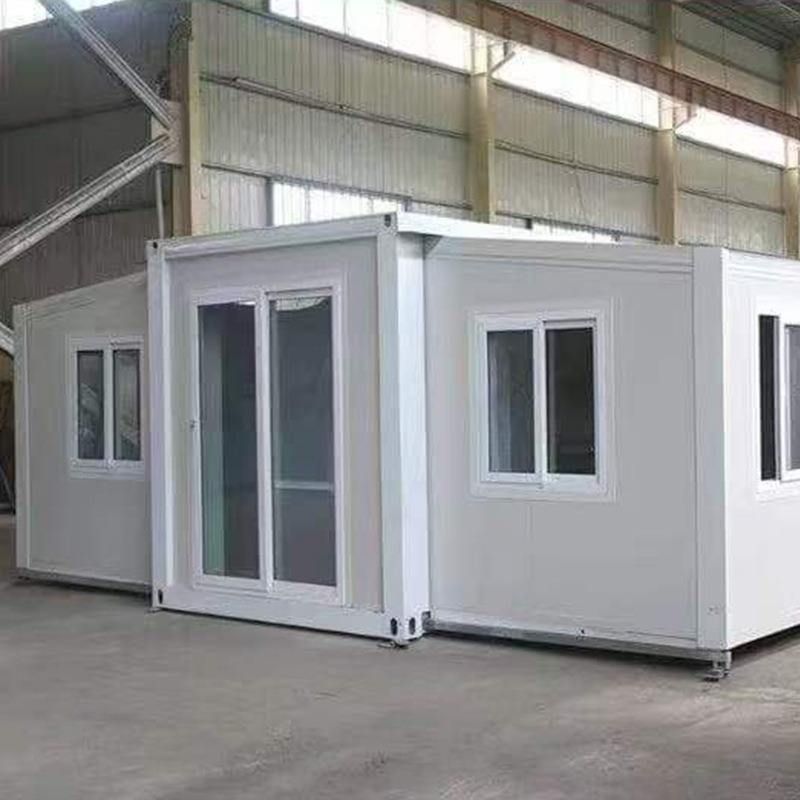
I. Water Storage Tank Modification Plan
Basic Structure Construction
- Select a discarded water storage tank as the main body, cut the top to create an opening while preserving the integrity of the tank.
- Install universal wheels at the four corners of the bottom of a拖板 (such as a wooden or metal pallet) to ensure mobility.
- Stack and secure the cut water storage tank onto the拖板, forming a double-layer structure with the upper layer serving as the usage space and the lower layer concealing the drainage system.
Functional Component Installation
- Drainage System: Create an opening at the bottom of the lower tank, install a drainage pipe and floor drain, connecting to an external sewage bucket or sewer.
- Sanitary Facilities: Secure a toilet (optional: a simple plastic toilet), install a faucet, sink, and showerhead, with reserved water pipe connections.
- Opening Design: Cut an entrance on the side of the upper tank, install a door frame and door to ensure privacy.
Detail Optimization
- The interior floor should be treated for slip resistance to prevent water accumulation.
- The drainage pipe should be equipped with a U-shaped bend to prevent odor backflow.
II. Water Storage Barrel Modification Plan
Main Body Processing
- Split a large water storage barrel vertically in the middle to form two semi-cylindrical bodies, selecting one as the main body of the toilet.
- Install universal wheels at the four corners of a wooden board, and secure it to the upper side of the barrel with wooden strips to increase usage height and stability.
Space Enclosure and Functional Integration
- Walls and Roof: Create an entrance on the side of the barrel, install a door frame, and enclose the remaining sides with lightweight materials (such as wooden boards or plastic sheets), adding a roof on top (optional: waterproof cloth or hard cover).
- Drainage and Sewage Disposal: Create an opening at the bottom of the barrel to install a drainage pipe, forming a floor drain; create a hole on the side to connect the toilet sewage pipe directly to an external sewage bucket.
- Additional Facilities: Install a bathroom heater (optional), toilet, water tank, and sink, with reserved electrical wire and water pipe channels.
Precautions
- The edges of the barrel after splitting should be sanded to prevent cuts.
- The sewage pipe should be cleaned regularly to prevent blockages.
III. Ready-Made Bench-Style Toilet Plan
If manual modification conditions are lacking, a commercially available bench-style flip-top toilet can be directly selected:
- Structural Features: It adopts a flip-top design, sealing tightly when closed to prevent odors, with a garbage bag fitted inside for direct replacement after use, eliminating the need for a drainage system.
- Applicable Scenarios: Suitable for temporary use or environments with limited space (such as living rooms, bedrooms), it is easy to clean but requires regular garbage bag replacement.
Summary: When making a portable toilet at home, choose a plan based on material availability and usage needs. Modifications of water storage tanks/barrels are suitable for long-term use, with a focus on drainage and sealing design; ready-made toilets are suitable for short-term or emergency scenarios. All plans must ensure structural stability, hygiene standards, and compliance with local environmental protection requirements.