
Simple Portable Toilet Design
The design of a simple portable toilet should integrate functional requirements, material properties, and ease of mobility. The following key points can be referenced:
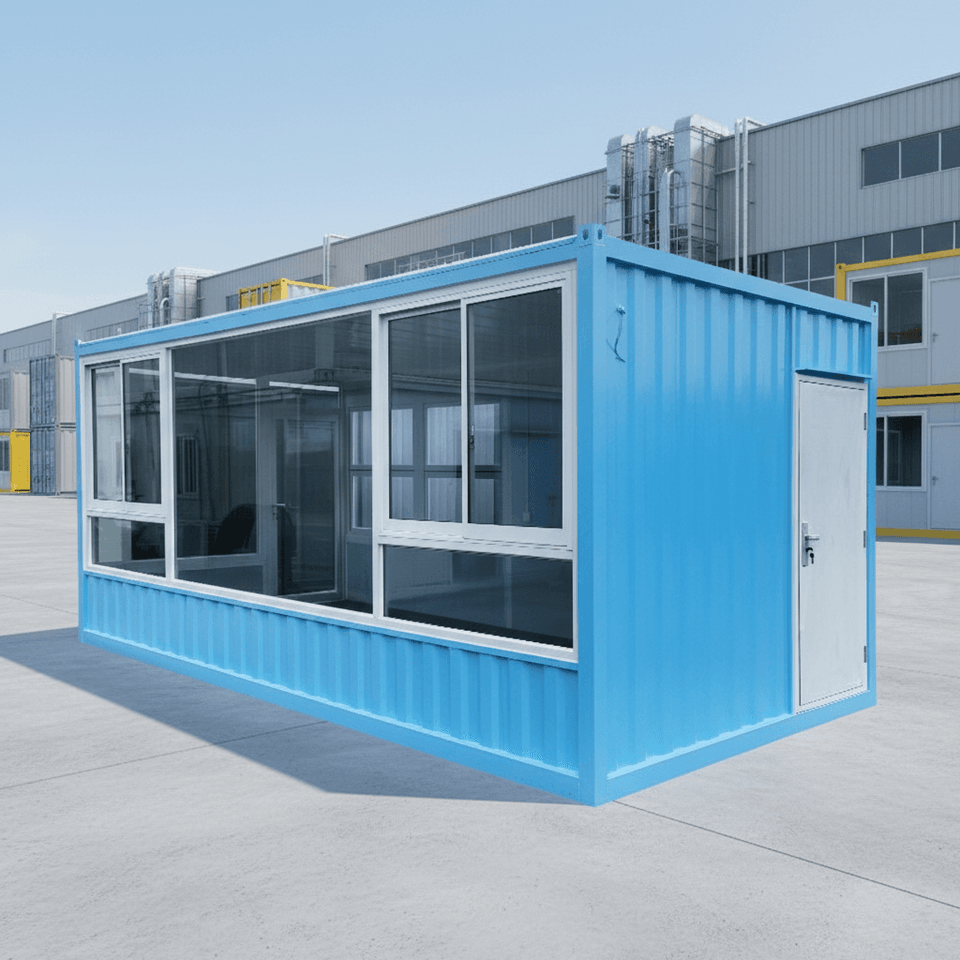
1. Basic Structure and Material Selection The main structure of a portable toilet should balance lightness and stability. A case study of water storage tank modification can be referenced, where a high-density polyethylene (HDPE) water storage tank is used as the basic framework. Its corrosion resistance and ease of processing make it suitable for cutting and splicing. If more space is needed, wooden boards or lightweight alloy frames can be used as supports, covered with waterproof panels (such as PVC or aluminum-plastic panels) to form walls. The roof is recommended to use foldable waterproof canvas or lightweight metal panels for easy volume compression during transportation. The bottom should be equipped with universal wheels or detachable legs to ensure flexible steering during movement and stable load-bearing when stationary.
2. Functional Module Integration
- Excreta Treatment System: Choose a treatment method based on the usage scenario. For flush toilets, a small water storage tank (recommended capacity ≥ 50L) and a drain pipe should be configured, connected to an external sewage tank or septic tank; for non-flush toilets, a dry packaging design can be adopted, using biodegradable garbage bags to collect feces and replace them regularly.
- Sanitary Ware: Lightweight plastic toilets are recommended for the toilet. When fixed to the floor, glass glue should be used for sealing to prevent leaks; the sink can be a small foldable or wall-mounted type, paired with a foot-operated faucet to save water.
- Ventilation and Lighting: Ventilation openings should be reserved in the walls, equipped with fly screens; transparent skylights can be added on the top to reduce lighting energy consumption during the day.
3. Mobility and Assembly Design
- Modular Structure: The toilet should be divided into independent modules such as the roof, walls, and base, which can be quickly connected with buckles or bolts for easy assembly by a single person.
- Transportation Adaptability: The overall height is recommended to be controlled within 2.2 meters and the width ≤ 1.5 meters to adapt to ordinary truck transportation; if frequent movement is required, it can be designed as a trailer type, connected to a vehicle with a towing hook.
4. Environmental Protection and User-Friendly Details
- Material Environmental Protection: Prioritize the use of recyclable materials (such as aluminum alloy and PVC) and avoid using boards containing formaldehyde.
- Barrier-Free Design: A ramp should be set at the entrance, and space for wheelchair rotation should be reserved inside to meet barrier-free standards.
- Energy-Saving Measures: Use solar LED lights for lighting, which automatically turn on at night by induction; flush toilets can be equipped with rainwater collection devices to supplement flushing water.
5. Safety and Maintenance
- Structural Stability: The connection between the walls and the base should be reinforced to prevent tipping over; the universal wheels should be equipped with brake devices to avoid sliding.
- Easy-to-Clean Design: The inner walls should use smooth materials to reduce dirt adhesion; the drain pipe should be equipped with a U-bend to prevent odor backflow.
By reasonably planning functional modules, optimizing material selection, and following the principles of mobility, environmental protection, and durability, a simple portable toilet that meets temporary usage needs can be designed.



