
Container House Picture: What to Know Before You Buy
Before purchasing a container house, it is crucial to understand its types and uses, materials and structure, cost and budget, sustainability, and selection advice to avoid making decisions due to lack of information.
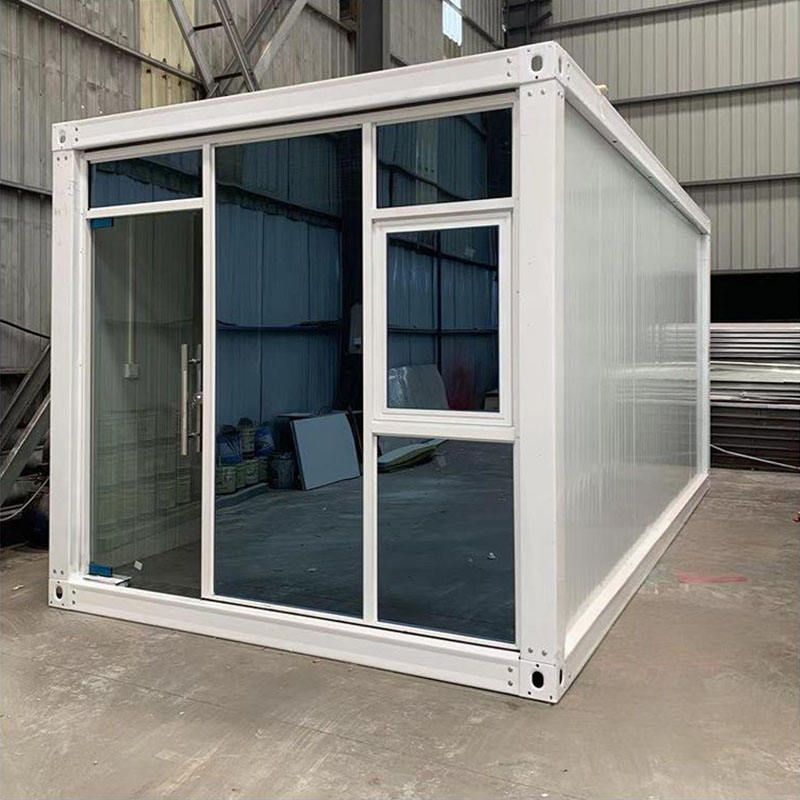
1. Clarify Types and Uses
Container houses mainly fall into two categories: Roll-off Containers and Shipping Container Homes. The former are primarily used for construction, demolition, or waste cleanup, with sizes chosen based on the scale of the task (e.g., rectangular reinforced steel containers popular in Northeast America). The latter are transformed from single or multiple containers, with standard dimensions of 20 feet by 8 feet or 40 feet by 8 feet, and minimum areas of 160 or 320 square feet, expandable through stacking. The intended use should be clarified in advance; for example, living spaces require consideration of ventilation and lighting, while office or commercial spaces need functional zoning planning.
2. Focus on Materials and Structure
Container houses are typically made of weathering steel, which is resistant to wind, rain, corrosion, and requires low maintenance, making it suitable for long-term use. However, attention should be paid to structural integrity, especially issues like rust and deformation in second-hand containers, which require professional inspection to ensure load-bearing capacity. During renovation, insulation (e.g., spraying polyurethane foam) and soundproofing should be enhanced to avoid discomfort in extreme climates.
3. Evaluate Costs and Budget
Although container houses are considered more economical than traditional houses, actual costs are significantly influenced by customization needs. For example, micro kits under $5,000 only include the basic frame and shell, excluding essential facilities like foundations, insulation, plumbing, and electrical systems, with subsequent renovations potentially doubling the total cost. Additionally, building permits and transportation costs (especially in remote areas) should be included in the budget to avoid overspending.
4. Consider Sustainability
Environmental friendliness depends on the renovation approach: using recycled containers and adopting energy-efficient designs (e.g., solar panels, rainwater harvesting systems) can reduce resource consumption; however, if the renovation process generates a large amount of waste (e.g., cutting steel) or relies on high-energy-consuming materials (e.g., traditional glass curtain walls), it may weaken the environmental advantages. It is recommended to prioritize modular designs for easy disassembly or reuse in the future.
5. Follow Selection Advice
- Purpose-Oriented: Choose container sizes and quantities based on residential, office, or commercial needs to avoid wasting or lacking space.
- Budget Coverage: Ensure the budget includes basic structure, renovation, and compliance costs (e.g., building permits, fire safety inspections).
- Modular Priority: Select designs with expandable layouts for easy adjustment of space according to future needs (e.g., adding bedrooms or office areas).



