
Shuozhou Waterless and Powerless Mobile Toilets
In Shuozhou, waterless and powerless mobile toilets can choose foam-sealing mobile toilets or packing-type toilets. Both types do not rely on traditional water-flushing systems and can adapt to scenarios without power supply. Their specific features are as follows:
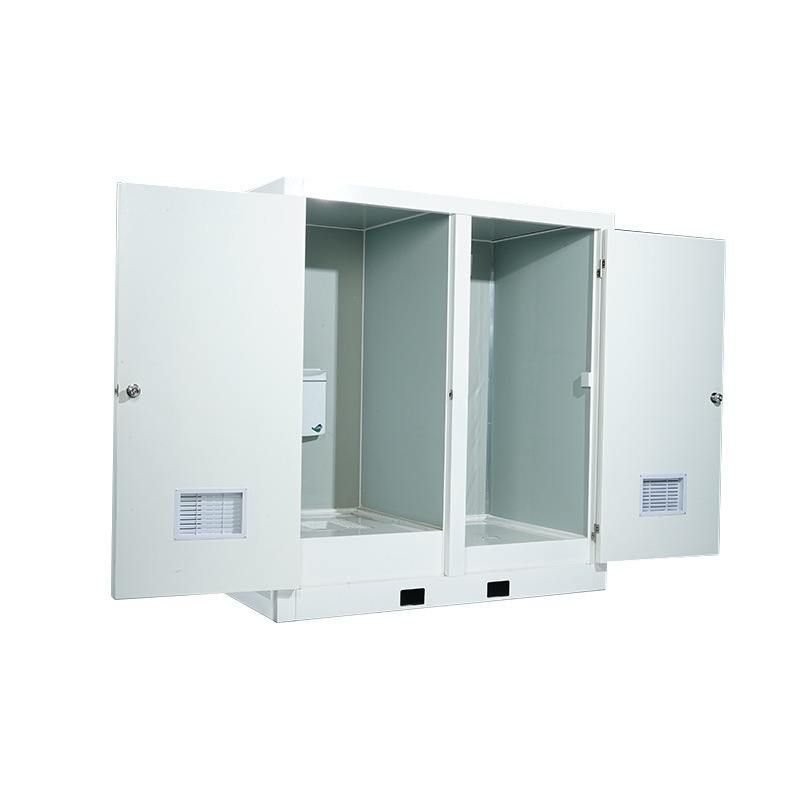
Foam-Sealing Mobile Toilets
The core principle is to utilize the physical properties of low-moisture-content foam for cleaning and deodorization. The foam, with high wettability and airtightness, can completely cover the surface of feces, forming a sealed layer to block the spread of odors while releasing a subtle fragrance to mask residual smells. This technology does not require water flushing; it only needs regular replenishment of foaming liquid to maintain operation. For areas without electricity, a solar power system can be used to drive the foam generator and exhaust equipment, ensuring normal functionality. These toilets are suitable for short-term or medium-term use scenarios, such as outdoor construction sites and temporary gathering places. Their advantages lie in low maintenance costs and a user experience close to that of traditional toilets.
Packing-Type Toilets
These toilets use biodegradable special films as core consumables and achieve fully automated operation through mechanical or microcomputer sensing systems. After a user finishes using the toilet, the system automatically initiates the following process:
- The sealing device seals the packaging bag containing feces and moves it to the feces storage tank;
- The film on the toilet surface is simultaneously updated to form a clean contact surface;
- The enclosed structure immediately locks in odors, with no water involved throughout the process.
This type of toilet is particularly suitable for areas where the construction cost of water supply and drainage facilities is high, such as urban neighborhoods, park squares, and large event venues. Its biodegradable film can reduce environmental pollution, and the capacity design of the feces storage tank can meet high-frequency usage demands. Additionally, the microcomputer control system supports battery power, further enhancing adaptability to powerless environments.
Both solutions break through the limitations of water and electricity through physical isolation or material substitution technologies. When choosing, it is necessary to comprehensively evaluate based on the usage period, foot traffic, and post-maintenance capabilities. Foam toilets focus more on low-cost continuous operation, while packing-type toilets perform better in terms of environmental protection and high-density usage scenarios.
You may also like

Portable Toilet for Energy Efficiency Solutions: A Buying Guide
Read More
Container House Custom Explained: How to Choose the Right One
Read More
Portable Toilet Design Custom & OEM: Design & Bulk Production Guide
Read More